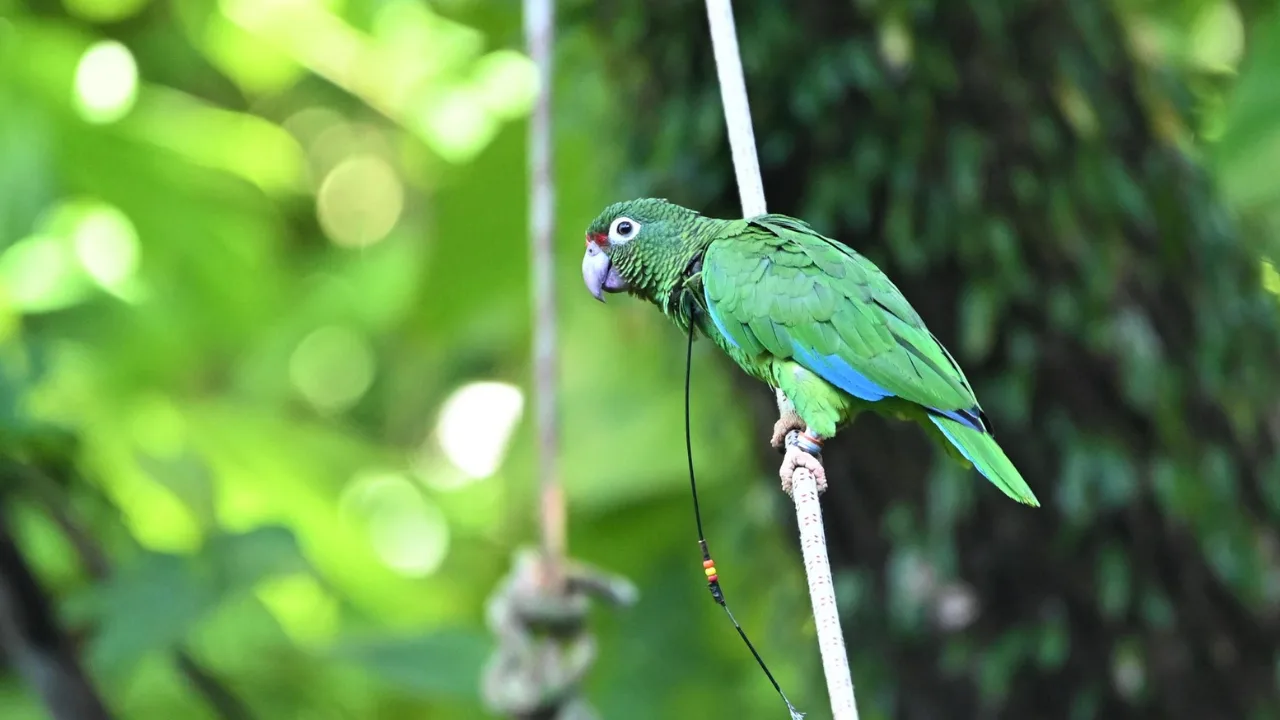
When Hurricane María struck Puerto Rico in 2017, the wild Puerto Rican parrot population, which had reached 221 individuals through years of effort, was cut to less than half.
Only 81 parrots survived the storm: two in El Yunque National Forest, 75 in the Bosque Estatal de Río Abajo, located in Utuado and Arecibo, and four in the Bosque Estatal de Maricao, the only three forests on the Island that have populations of this endangered endemic bird.
Nearly seven years later, the outlook is encouraging. The Puerto Rican parrot recovery project reported a record number of nests and individuals of the emblematic green-feathered bird.
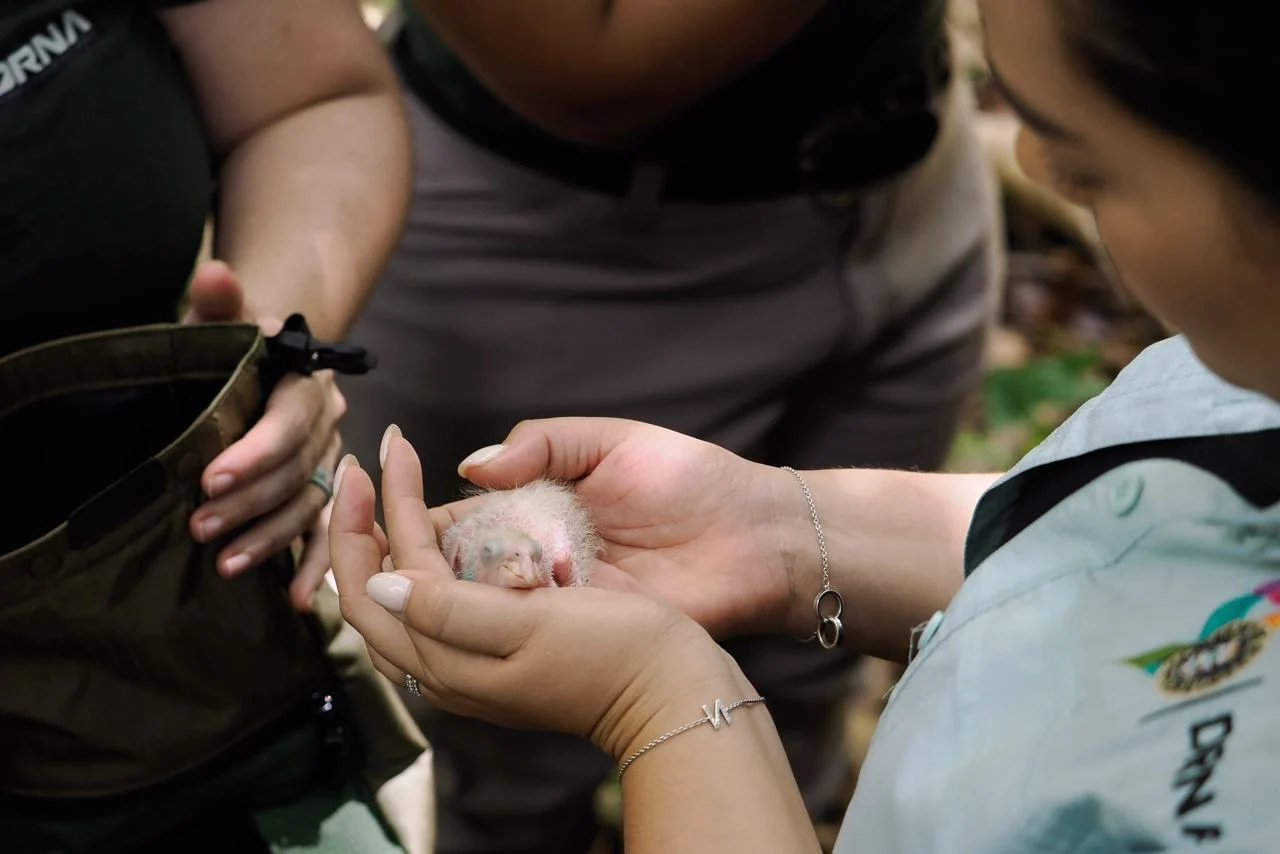
In the Bosque Estatal de Río Abajo alone, researchers have found 25 parrot nests, 230 adult individuals and 70 chicks in the wild, the highest count since efforts to release the birds into the forest began in 2006.
That is in addition to the 140 adult birds and 40 chicks raised in captivity at the Aviario José L. Vivaldi in Río Abajo, the second assisted-reproduction facility for the parrot in Puerto Rico, alongside the aviary in Luquillo at El Yunque National Forest.
🌳 Read more: Complete guide to El Yunque National Forest
"It's the first time we've managed to have this many nests since the beginning of the parrot's release and reintroduction into the wild. (…) The numbers of wild parrots right now already exceed the number of wild parrots we had before Hurricane María. We are very excited about this year's results," Tanya Martínez, the biologist who leads the Puerto Rican parrot recovery project, told PlateaPR.
Martínez explained that the project she leads sits within the Departamento de Recursos Naturales y Ambientales (DRNA), but operates under a cooperative agreement with the U.S. Fish and Wildlife Service (FWS) and the U.S. Forest Service.
The Puerto Rican parrot is not only the sole endemic parrot among the archipelago's 19 endemic birds; it is also the only parrot native to the United States, which underscores the importance of its conservation at the federal level.
A successful project of more than 50 years
Although the Puerto Rican parrot remains endangered due to deforestation in the 19th and 20th centuries, the recovery project's success stems from the multimillion-dollar investment these three agencies have made since the 1970s, Martínez explained.
Since Hurricane María alone, the project has received around $12 million from the U.S. Congress, the federal Department of the Interior and the American Rescue Plan Act (ARPA).
The agencies not only combine efforts, knowledge and experts. They also share parrots to ensure a healthy exchange of DNA among the three forests.
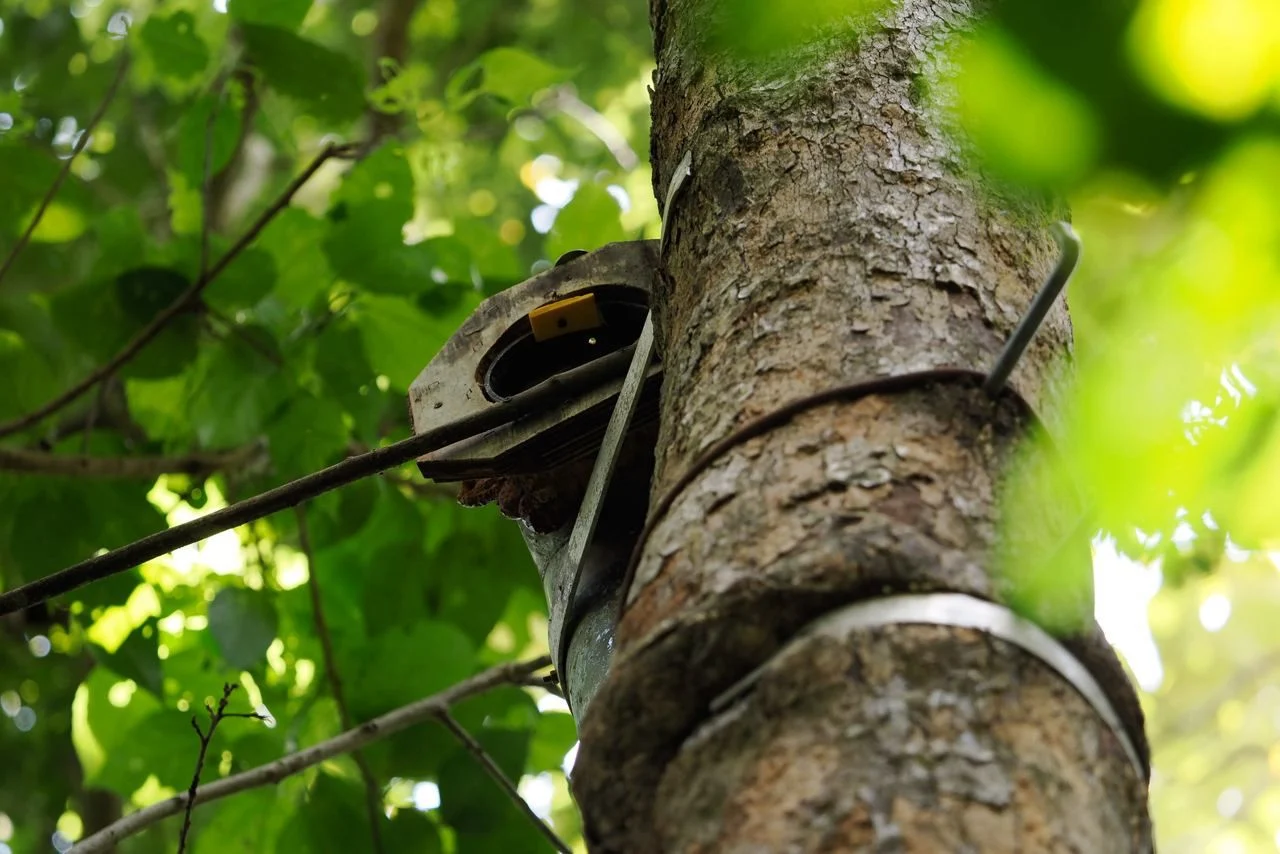
Beyond captive breeding, the biologist explained that the project carries out two core efforts: releasing captive birds to expand the wild population, and installing artificial cavities to serve as nests for chicks.
Parrots do not build their own nests. They reproduce only in existing cavities in large trees, such as the palo colorado, so the artificial structures scientists create simulate natural cavities.
The future of the Puerto Rican parrot: a new forest release
The leader of the parrot recovery project said they hope to add a fourth forest to the project in order to establish a new wild population.
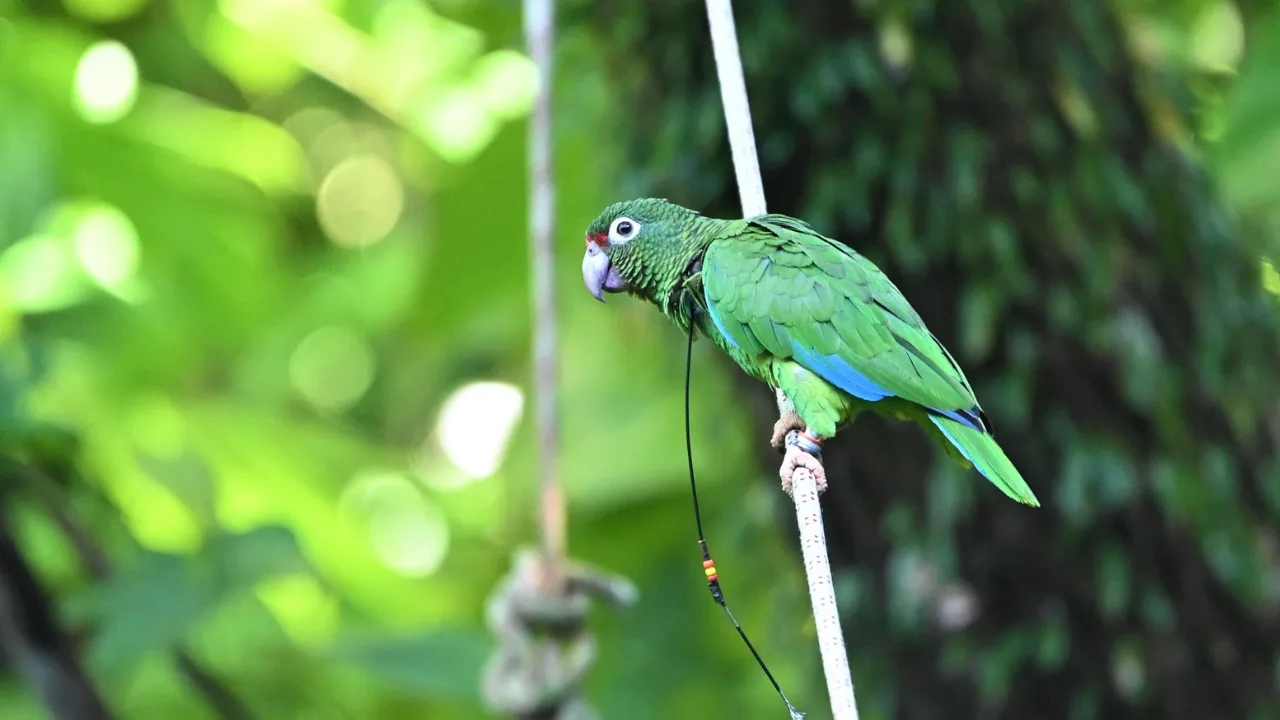
Proyecto Conservación Cotorra Puertorriqueña de Rio Abajo, Facebook
Although nothing has been decided, Martínez said there have been discussions that it could be Bosque Estatal de Guajataca, since it is near the Río Abajo and Maricao forests, which could benefit the birds.
Where to see the Puerto Rican parrot
In addition to the existing populations in El Yunque National Forest, Río Abajo and Maricao, the parrots can be seen at the captive-breeding aviaries.
La Fundación Amigos de El Yunque will also hold other events in May at the El Portal visitor center, including the Green Latinos National Summit (May 7-10), a birdwatching tour (May 11), an astronomical observation night (May 11) and the Arteyunque Natura (Lírico) event on May 18.
The activities are open to the public, but sometimes require prior registration and a suggested donation.
What you can do to help ensure the parrot's survival
To help ensure its well-being, the public can support forest conservation, collaborate with organizations that preserve biodiversity and volunteer with any of these groups.
People can also avoid polluting the forests, keep noise levels low when near these birds and report sightings of Puerto Rican parrots outside the forests to the DRNA.
When sightings are shared, the scientists overseeing the conservation project can track where the birds are.
Cover photo: Proyecto Conservación Cotorra Puertorriqueña de Rio Abajo, Facebook
This content was translated with the assistance of Artificial Intelligence (AI).