Here is what the agricultural market at the Estación Experimental Agrícola de Juana Díaz offers, and when it is open.
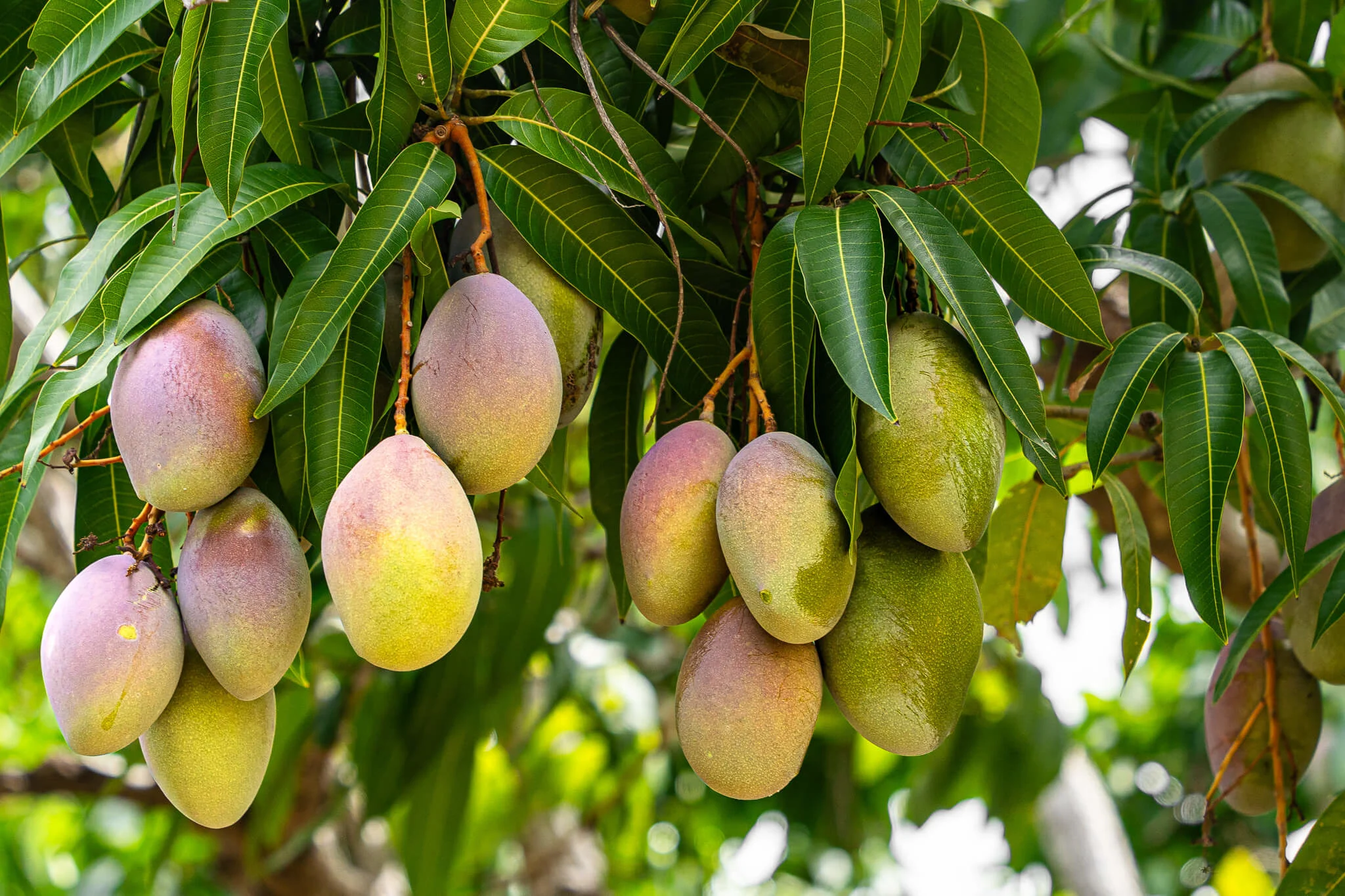
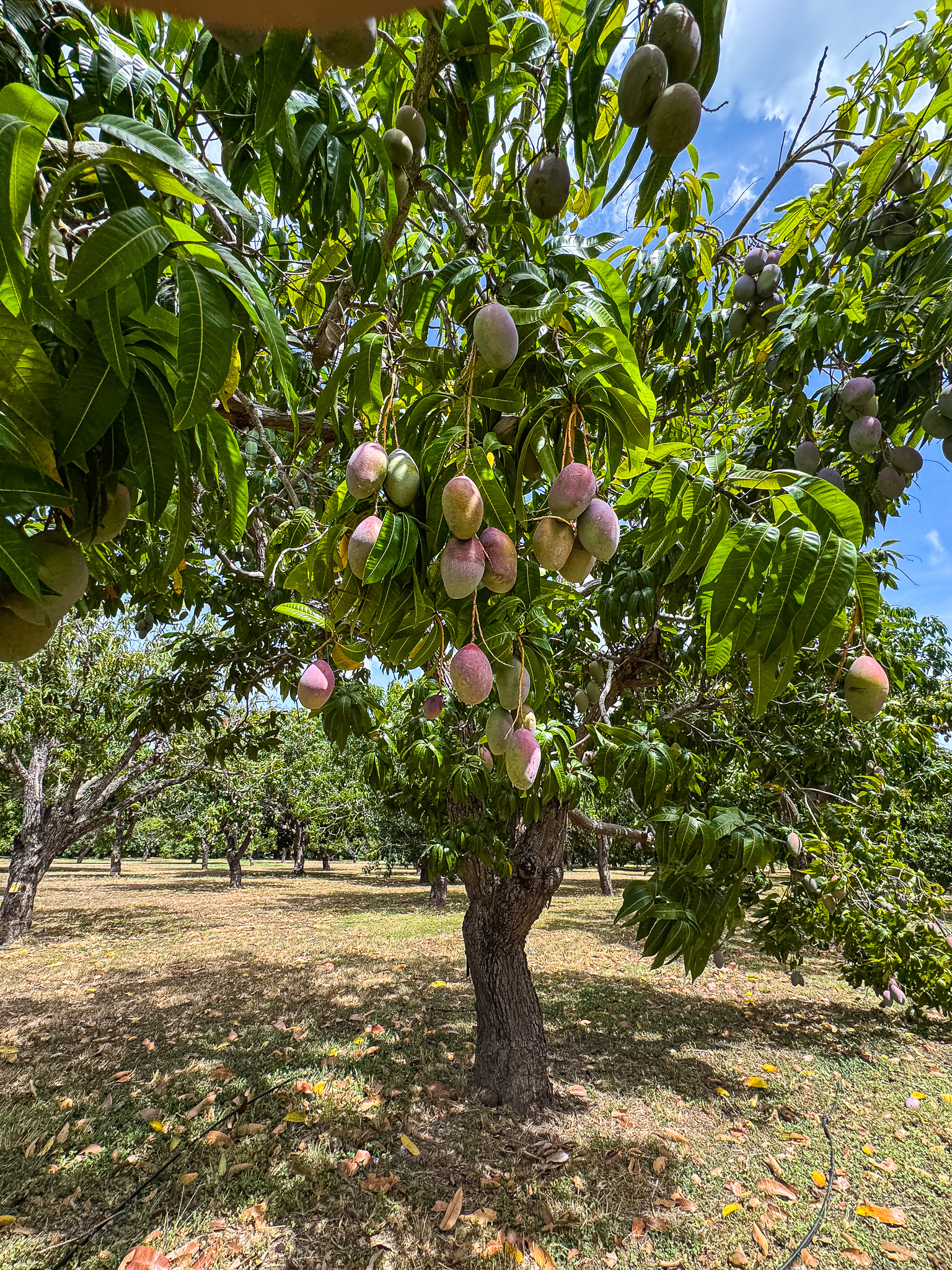
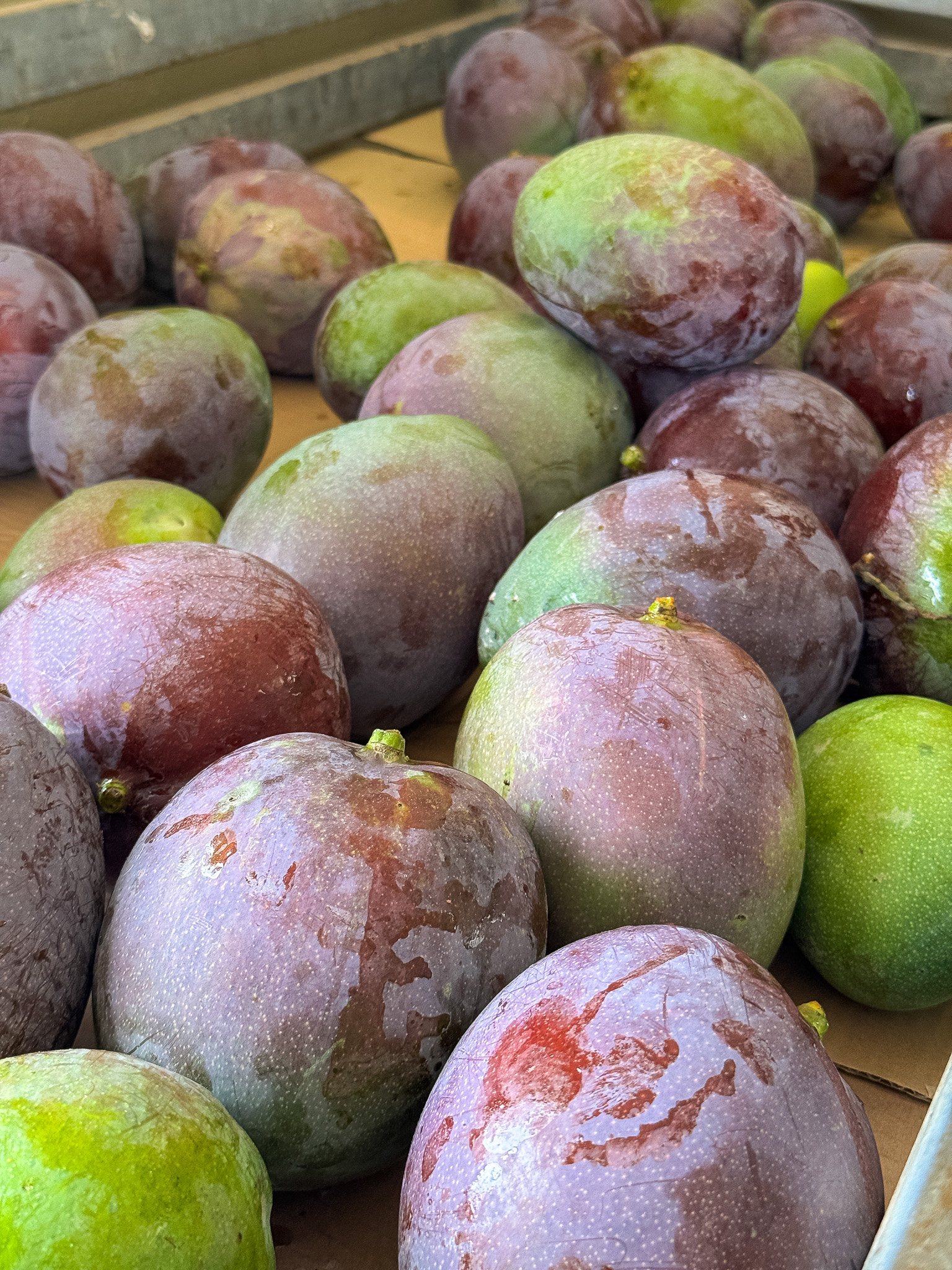
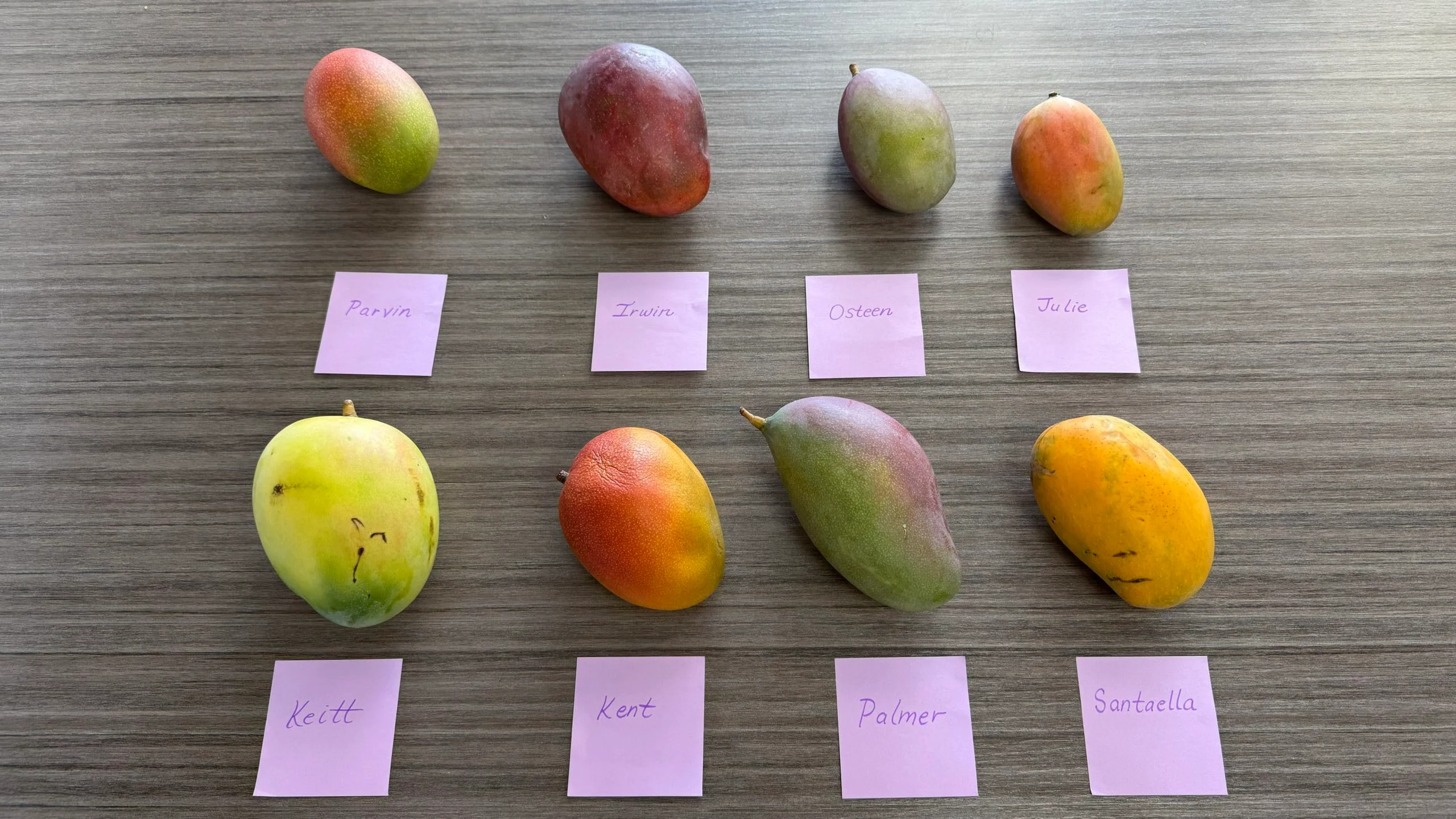
Puerto Rico has more than a genetic collection of 87 mango varieties. All of them are available for purchase at the Estación Experimental Agrícola (EEA) de Juana Díaz on the days its agricultural market is open.
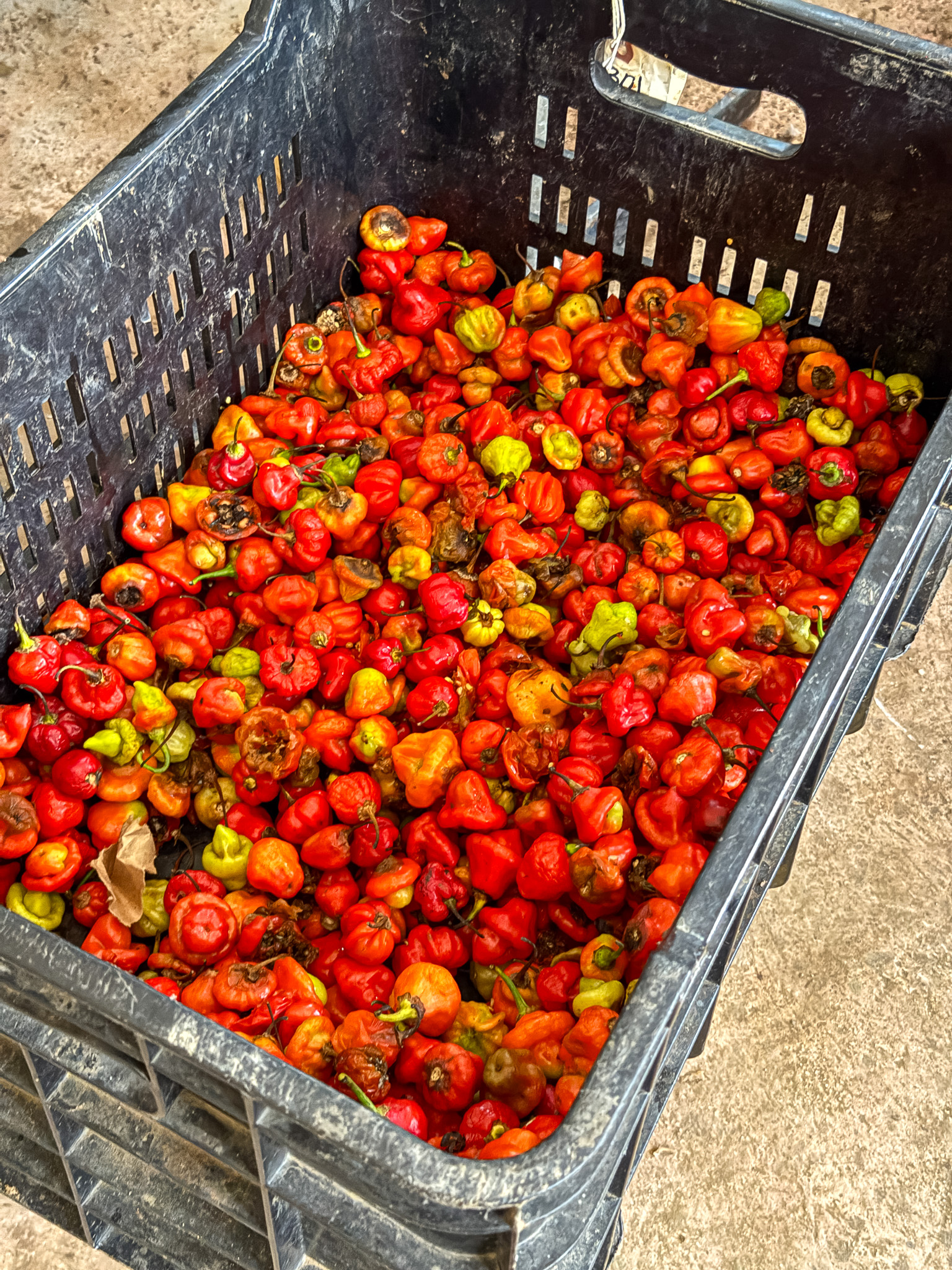
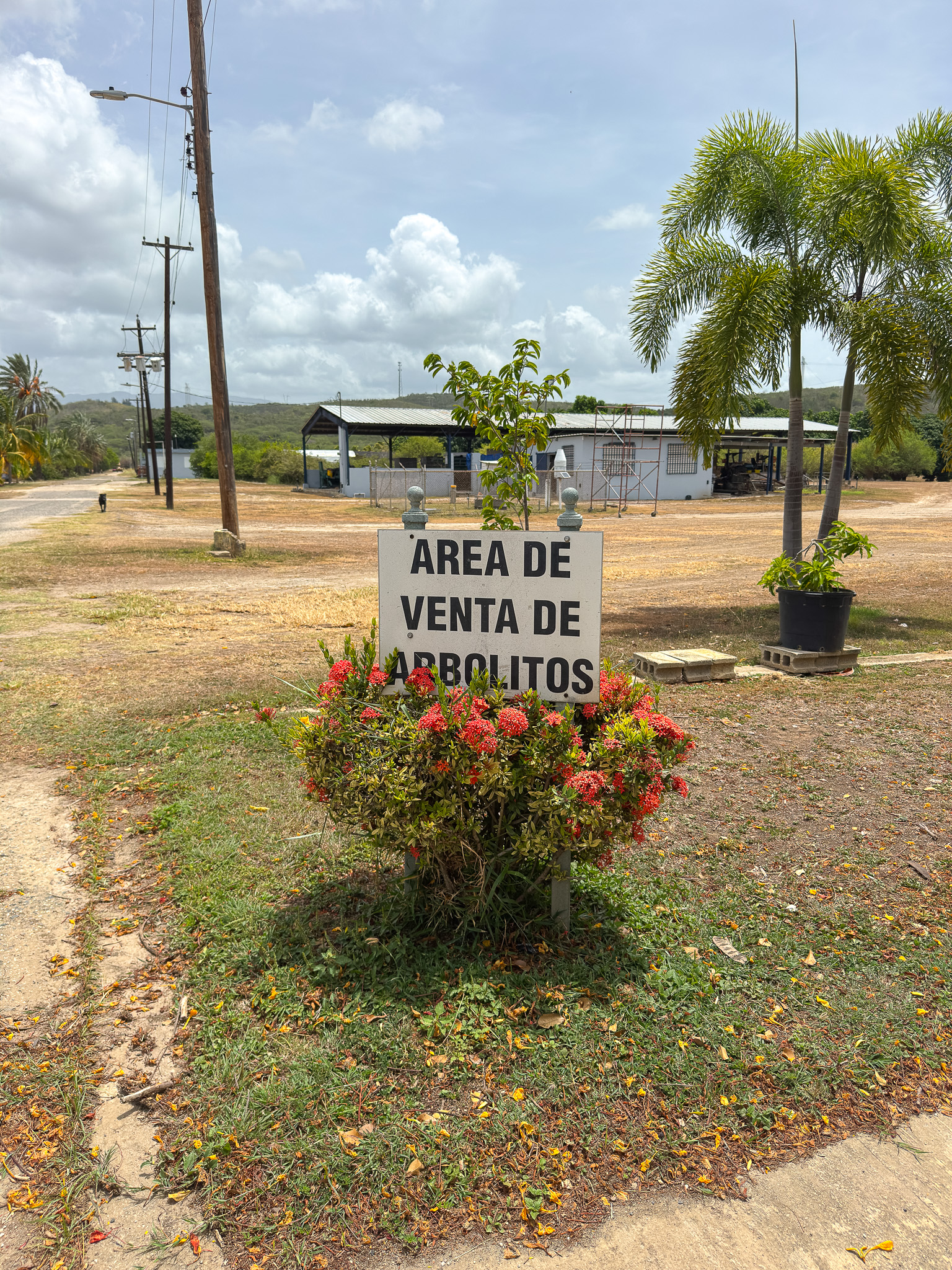
The market, open Tuesday through Thursday from 9:00 a.m. to 11:00 a.m., is located on highway PR-510 in Juana Díaz and offers a variety of seasonal agricultural products, including different mango varieties.
4 variedades de mangó de Puerto Rico
Desarrolladas por selección natural en suelo boricua
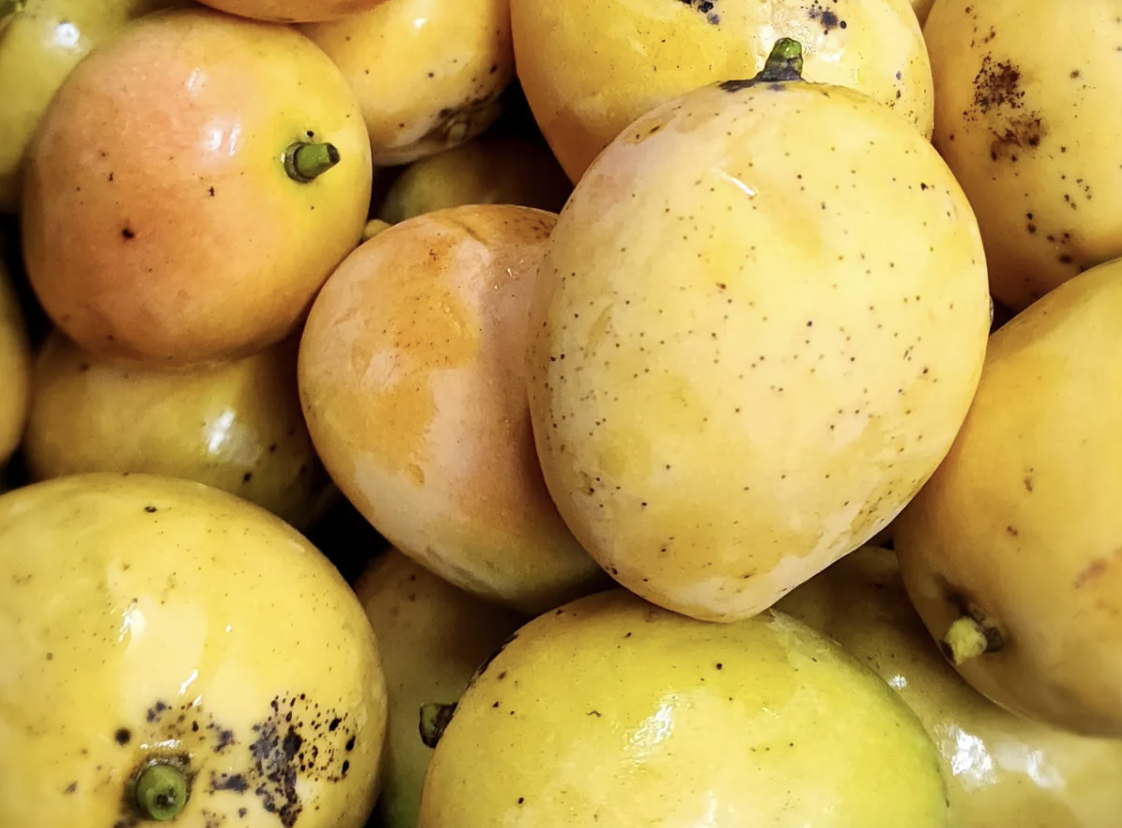
Mayagüezano
El más reconocido
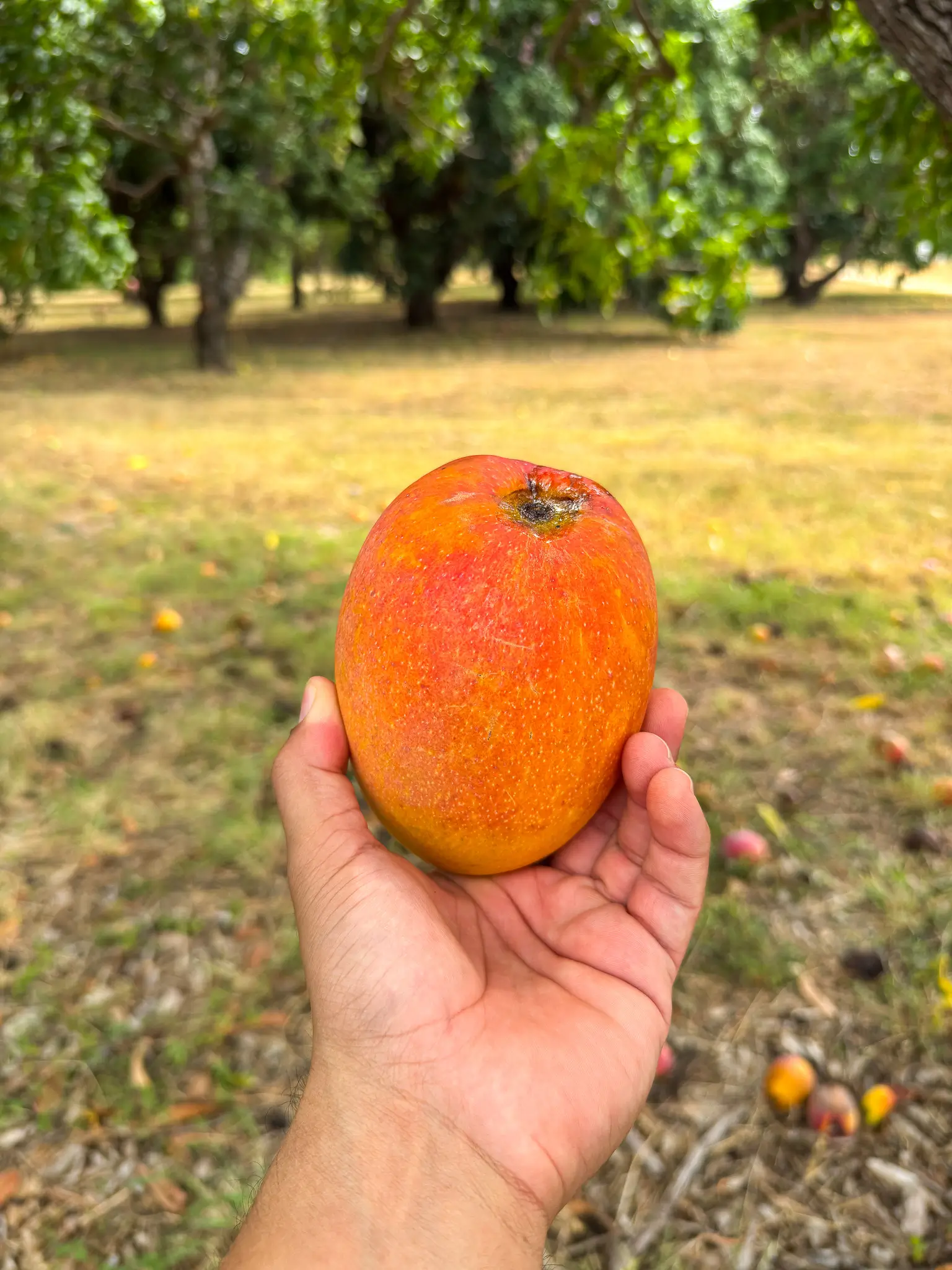
Santaella

Pasote

Piñero
Mayor potencial comercial
¿Cómo se desarrollaron las variedades puertorriqueñas?
Las cuatro variedades puertorriqueñas de mangó se dieron por selección natural, que es cuando la flor de un árbol poliniza a otro, creando una nueva combinación genética y, por ende, una nueva variedad, explicó Almodóvar.
De ahí en adelante, la ‘manipulación’ es estrictamente mecánica; es decir, no hay cambios genéticos, sino injertos de esos mismos materiales para perpetuar las características deseadas.
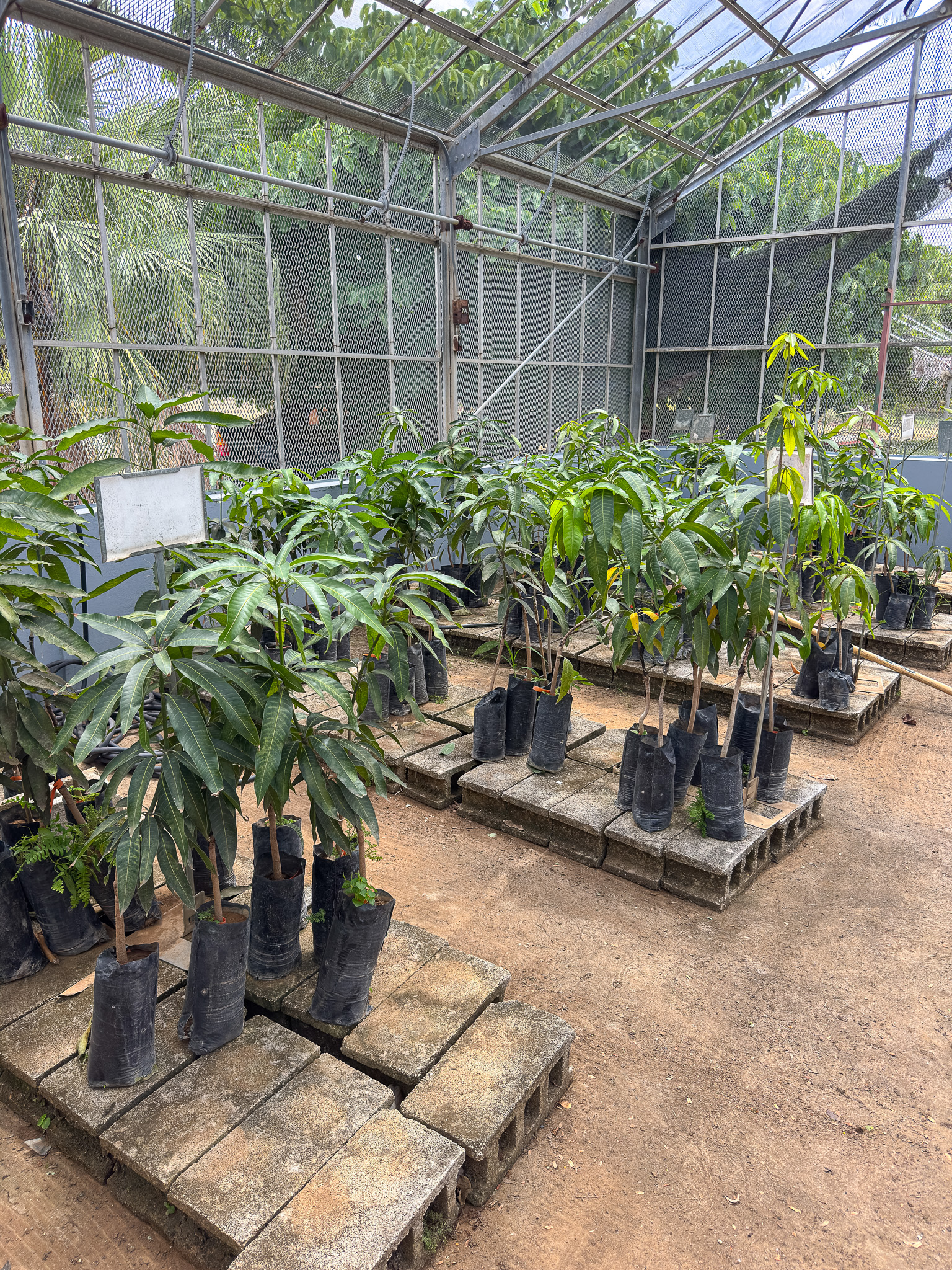
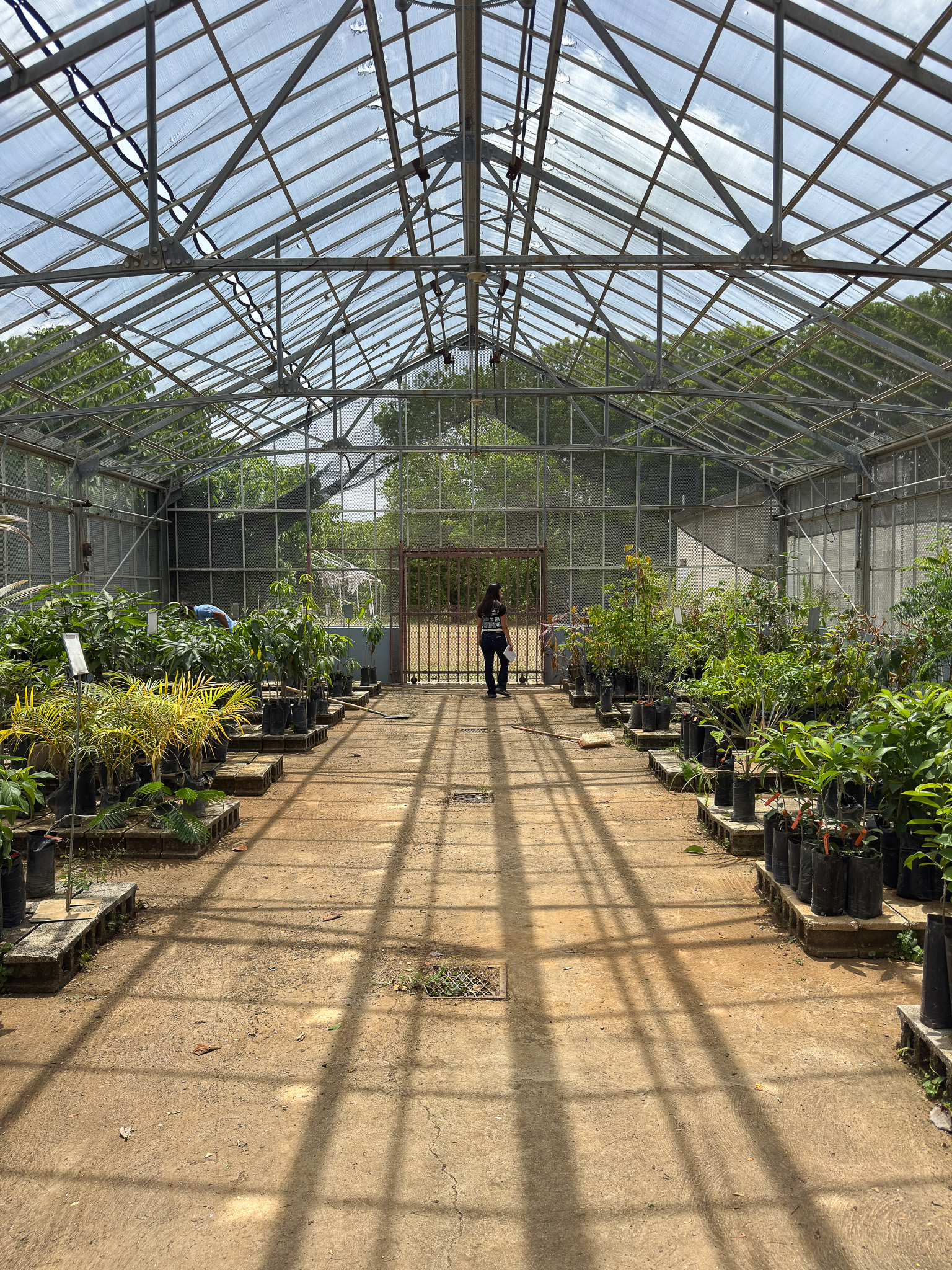
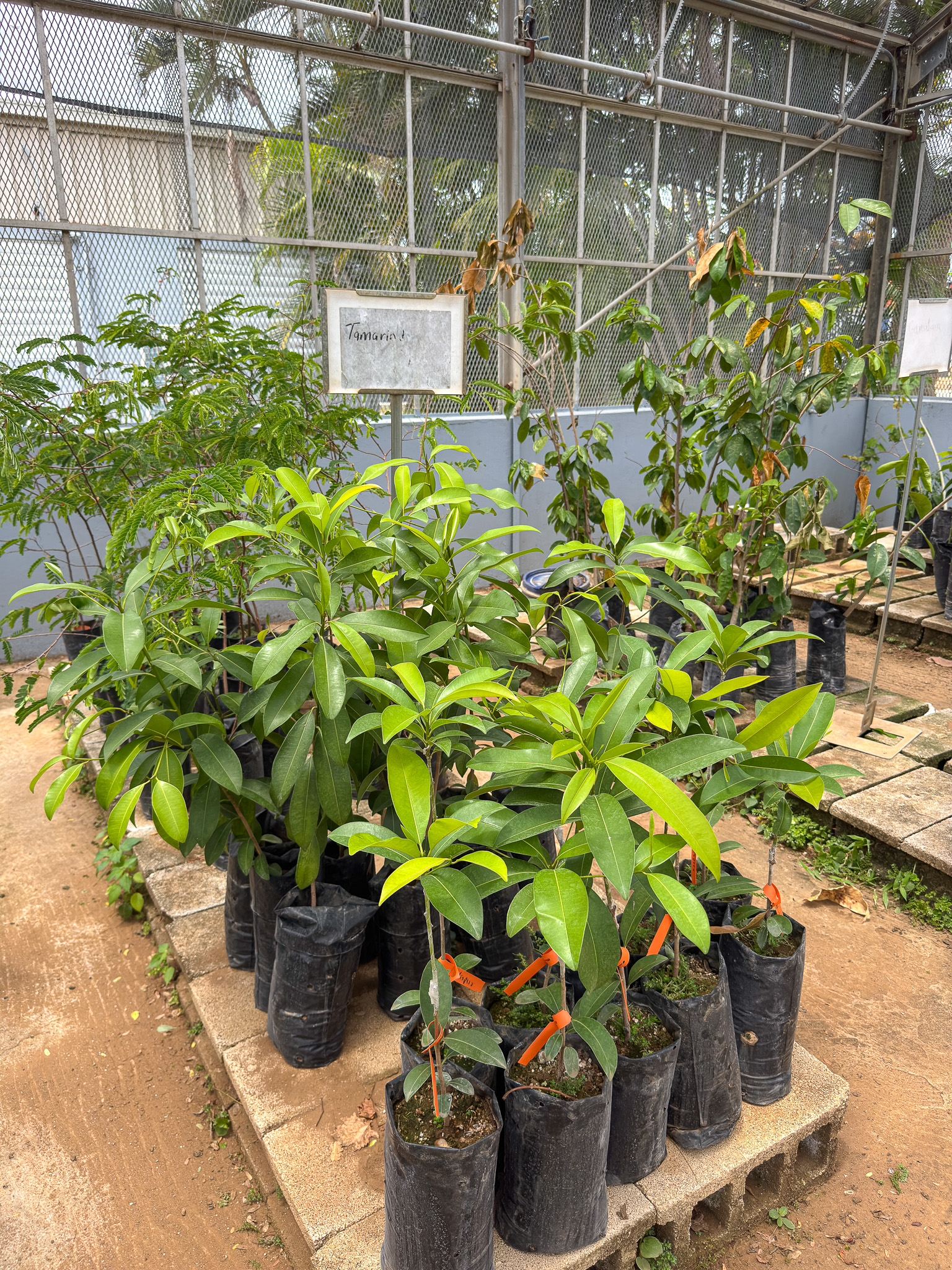
It also offers a variety of seedlings and plants for your home garden, among them:
Mango (the most common varieties are usually available; others can be requested. For commercial production, orders must be placed in advance.)
Quenepas (23 types are available; the commercial varieties are: Sotomayor, Sasa and Martínez.)
Avocado (8-10 types, including: Simmons, Pollock, Butler, Ávila, Wilson Popenoe, Domínguez.)
Carambola
Tamarind
Flamboyán
Níspero
Grapes
Soursop
Caimito
Corazón
Nim
Moringa
Plantain
However, it does not offer tours to the general public.
What does the EEA de Juana Díaz do?
The Estaciones Experimentales Agrícolas (EEA) are scientific research centers focused on agriculture, with the goal of finding practical solutions for farmers and contributing to food security. They are distributed across the island and belong to the Colegio de Ciencias Agrícolas (CCA) of the Universidad de Puerto Rico (UPR) Recinto Universitario de Mayagüez (RUM).
In addition to the EEA de Mayagüez, where the Colegio de Ciencias Agrícolas is located, there are six EEAs in Puerto Rico:
Adjuntas: Focused on coffee and citrus research.
Corozal: Known as an IR-4 Center because it focuses on research into pest control, plant diseases, starchy crop management and other areas.
Gurabo: Has an organic farm and specializes in livestock research.
Isabela: Focused on research into grains, forages and fruit trees.
Juana Díaz: Started as an EEA focused on fruit crop research, but shifted to vegetable research in the 1970s.
Lajas: Has an organic farm and conducts vegetable research. It also has a dairy operation that serves students.
Additional EEA offices, along with the library, are located at the UPR facilities at the Jardín Botánico de Río Piedras.
Juana Díaz's focus: In addition to holding the largest mango germplasm collection in the Caribbean, Juana Díaz conducts vegetable research, said the EEA's administrator, agronomist Carlos Almodóvar. Some ongoing research projects include:
Analysis of pesticide residues in pitahaya crops.
A hot-water treatment process to control fruit flies in export mangoes.
Analysis of bean crops and their response to hot climates and water-stress conditions (in collaboration with federal agencies).
Fertilizer levels in malanga crops.
Pesticide residues in the Edward mango variety.
Semillas Selectas: The EEAs also produce seeds for fruit and vegetable crops through a program called Semillas Selectas. In addition to selling seeds at the Mayagüez and Río Piedras (Jardín Botánico) offices, they can be purchased online at: www.uprm.edu/eeastore/.
What are the benefits of consuming local products?
For agroentrepreneur Crystal Díaz, founder of El Pretexto and co-founder of PRoduce, the difference between local and imported products comes down mainly to freshness.
Specifically, Puerto Rican crops could take 2-3 days to reach supermarkets or local markets, while imported products could take more than a week given the time required to bring them in. Imported produce may also contain more chemicals to keep it fresh longer, Díaz explained in an interview with Punto Aparte, the Platea podcast.
Even when local products can sometimes be more expensive, for Díaz, the investment you make in that product "stays in our economy longer."
"There's a price issue, no question. There's a health and nutritional value issue, but above all there's the issue of who I'm supporting with that dollar, what power we have as consumers. Where do I leave it (that dollar)? Do I leave it here, or do I let it go?"
Crystal Díaz, founder of El Pretexto and co-founder of PRoduce
Digital platforms like PRoduce carry products from agricultural extension stations across the island, including the EEA de Juana Díaz. Some of the products they offer from Juana Díaz are:
Mango varieties
Cherry tomatoes
Clementine tomato
Mini sweet peppers
Nísperos
Bok choy
Carambolas
This content was translated with the assistance of Artificial Intelligence (AI).