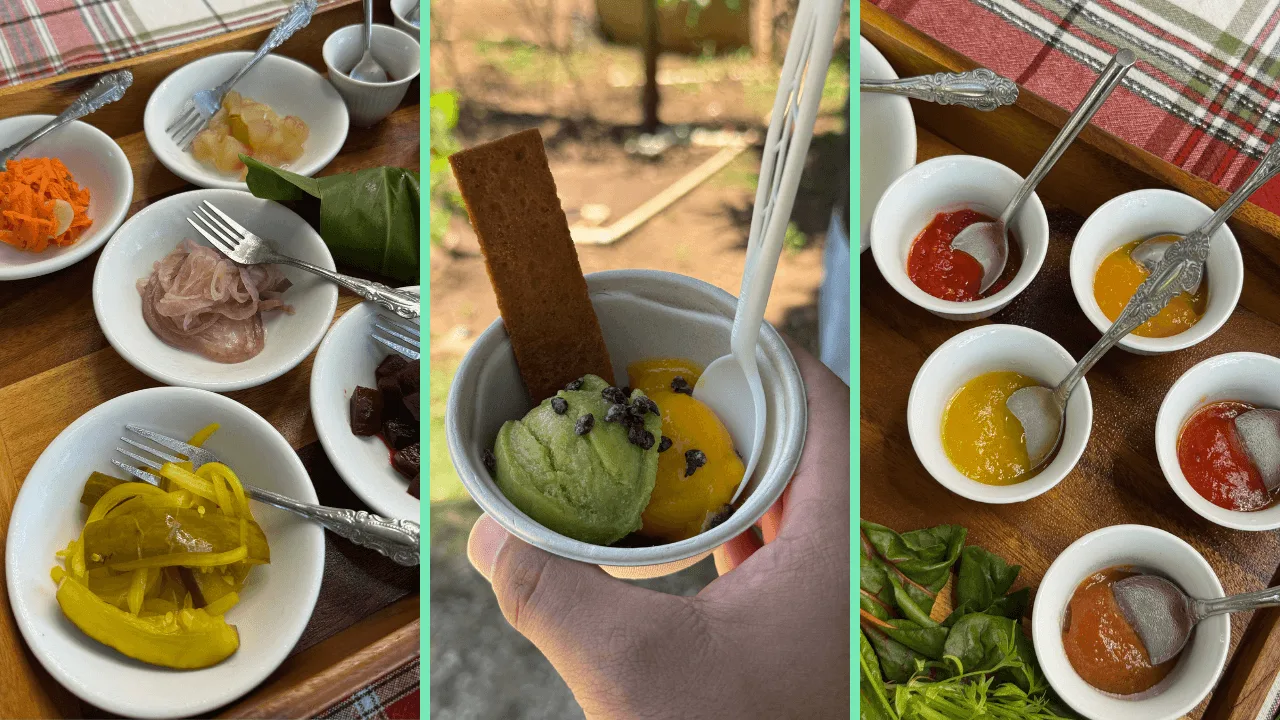
These techniques will help you get the most out of your food and keep it out of the trash. We also share some ideas for three tropical fruits.
When a fruit like avocado or mango comes into season, it can be hard to know what to do with so much fresh produce. The last thing anyone wants is for it to become part of the 1.05 billion tons of food waste generated worldwide each year, according to a U.N. report.
Projects like Frutos del Guacabo, an agrotourism farm in Manatí, use a range of techniques to preserve food so you can extend its shelf life without losing flavor.
We spoke with Efrén Robles and Angelie Martínez, co-founders of Frutos del Guacabo, about the techniques they use on their farm to preserve food. They not only serve food made with these techniques on their tours, but also offer workshops so you can learn to extend the life of your own food.
Here are five ways to preserve food, plus ideas for three fruits you can try at home.
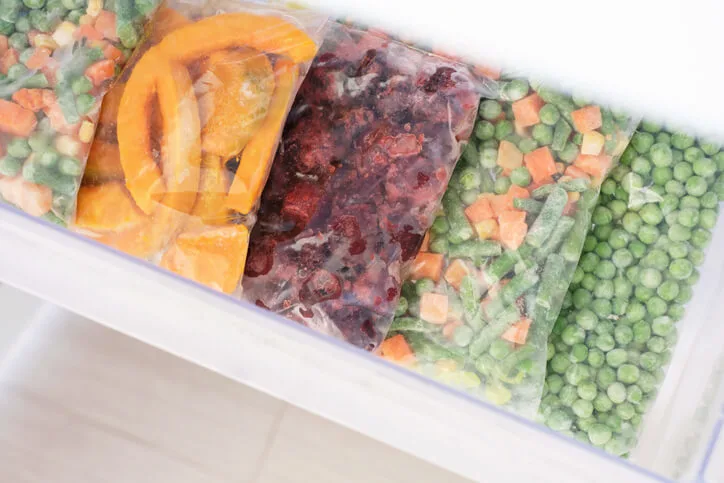
Frozen fruits and vegetables (Tatiana | Getty Images)
1. Freeze the fruit or the pulp
One of the simplest preservation techniques is freezing (placing food in the freezer) and it works for fruits and vegetables as well as meats and other foods.
"When there's a big harvest of something like tamarind, mango or papaya, what you do is pull out the pulp, put it in vacuum-seal bags and freeze it, and you can keep it for months, up to a year," Martínez explained.
Breadfruit, malanga, yam and other fresh produce can also be preserved frozen for months, but you need to peel them, chop them and place them in plastic bags that seal completely. It's a good idea to write the date on the bag so you know how long the food has been stored.
Keep in mind that once something is thawed, you need to use it.
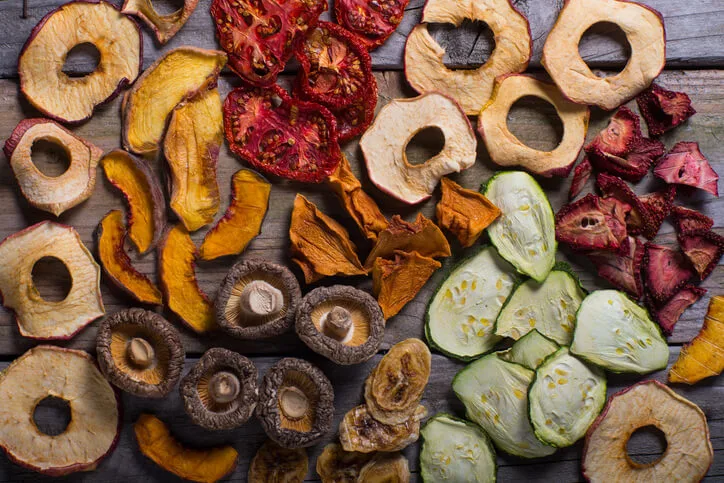
Dehydrated fruits and vegetables (Boyrcr420 | Getty Images)
2. Dehydration technique
Dehydration involves removing most of the water from food and letting it dry out completely, which prevents microorganisms from growing and extends shelf life for months.
After washing the food thoroughly, you can chop it into pieces and remove excess moisture with a paper towel. To dehydrate, you can use a dehydrator, an air fryer, or place the pieces on a tray out of reach of insects and let them dry in the sun. The result will have a crunchy or flexible, pliable texture.
This works for fruits, vegetables and even chips.
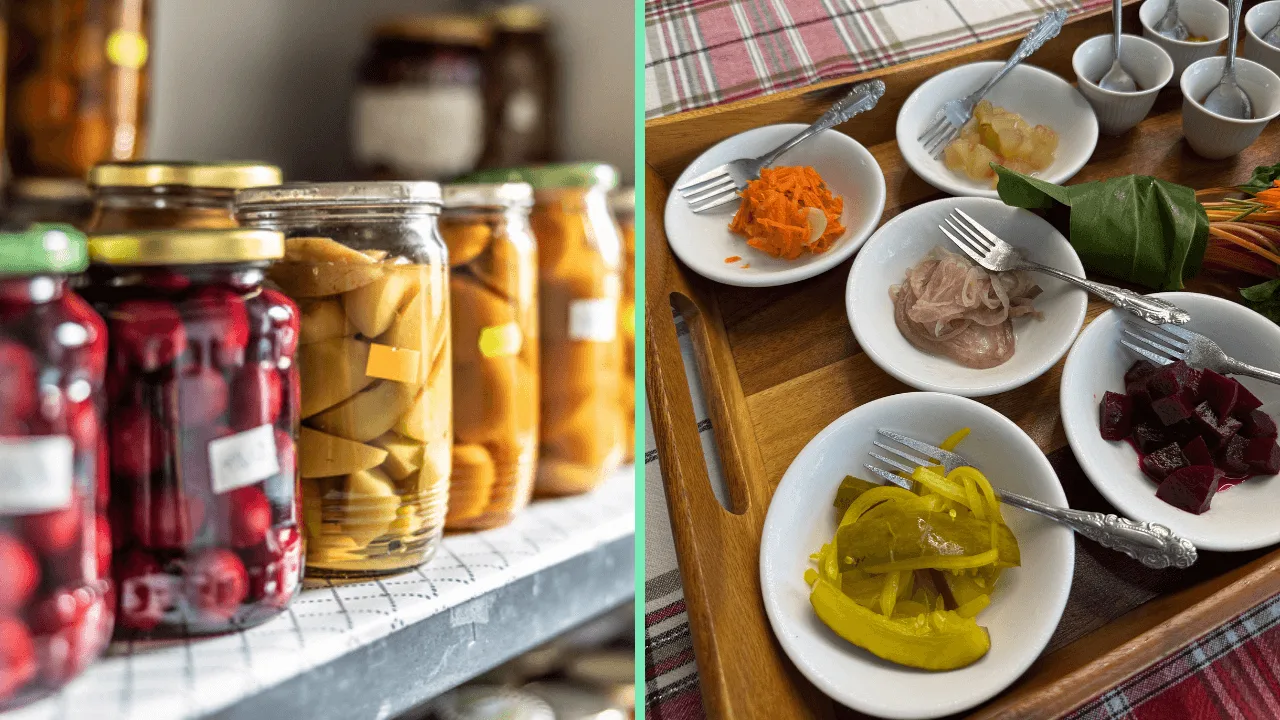
A variety of pickles in glass jars. At right, pickled carrot, watermelon, onion, cucumber and beet from Frutos del Guacabo. (SimpleImages | Getty Images; Juan Santa para Platea)
3. Make them into pickles
"Pickles are a preservation process using acid," in which food is submerged in a solution of salt, vinegar or a mixture with various spices so it ferments and keeps for months in a preferably sealed glass container, Robles explained.
"Pickles are something we really enjoy making because you can play with different flavors," Robles said. Depending on the spices you add, the flavor can change, and you can make different small plates or turn a simple dish into something more refined.
The most common pickles, the ones you see most often at supermarkets, are olives and cucumbers, but at Frutos del Guacabo they make them with carrot, melon, onion, and even beet and sweet pepper.
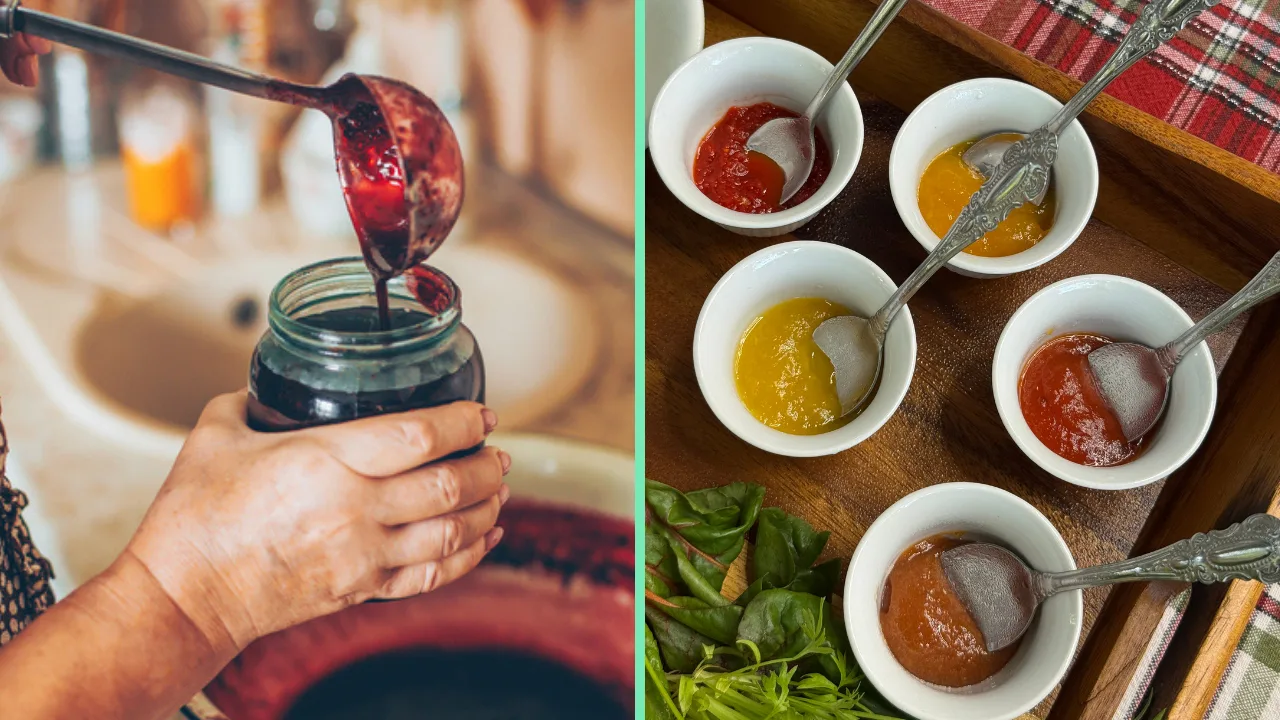
At left, raspberry jam in preparation. At right, a variety of jams made at Frutos del Guacabo in flavors such as sweet pepper, papaya and pineapple. (Alexandr Kolesnikov | Getty Images; Juan Santa para Platea)
4. Make a jam
If you prefer sweeter flavors, this one is for you. Jam is a preservation process made from fruit cooked with sugar.
"We make the jams with only 30% of the sugar a regular jam would have… As long as you use a mason jar and seal it properly, it can last (months sealed," Robles said. Once you open the jam, you should eat it within the next few days to keep it from spoiling.
Some of the jams from Frutos del Guacabo are made with pineapple, papaya and ají dulce (yes, this sofrito ingredient can develop a sweet flavor with a hint of heat when turned into jam).
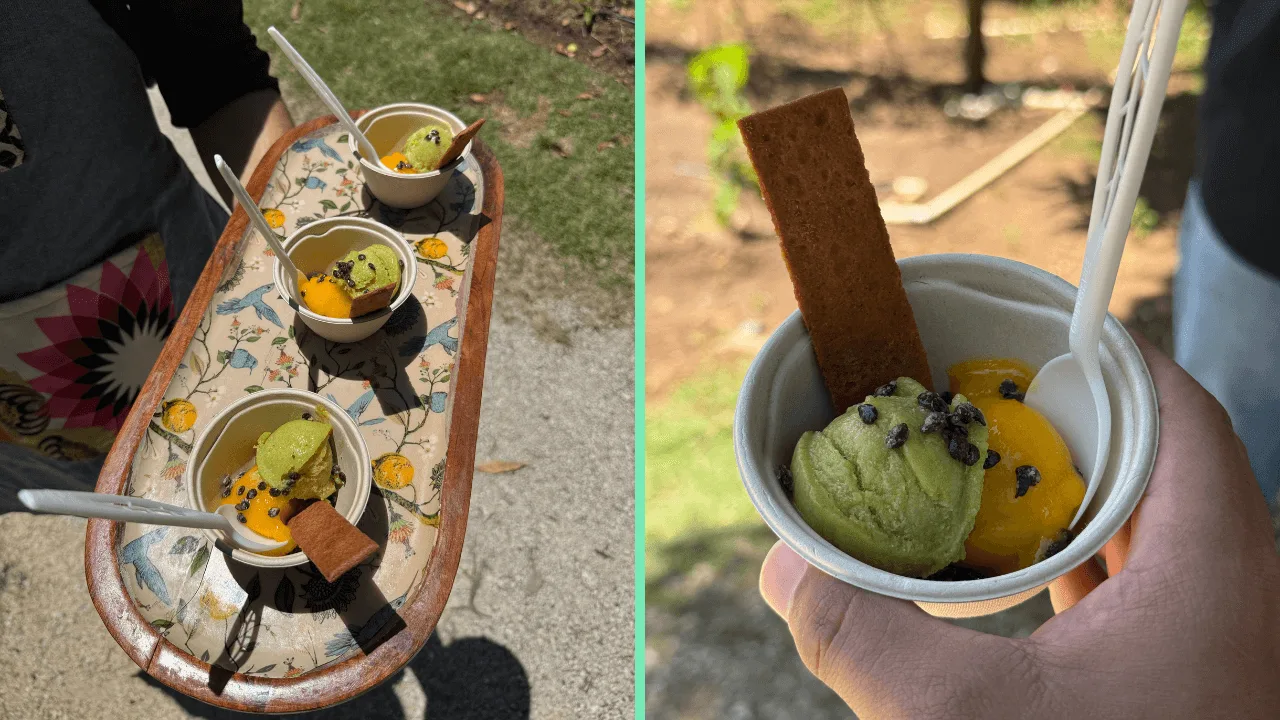
A passion fruit and avocado sorbet with caramelized passion fruit seeds and a guava cookie, served by Frutos del Guacabo. (Photos by Juan Santa for Platea)
5. Make your own sorbet
A sorbet is a frozen dessert that contains no dairy, fat or eggs. It is typically made with fruit, water and sugar. While classic fruits are the most common choice for sorbet, Frutos del Guacabo also makes one with avocado.
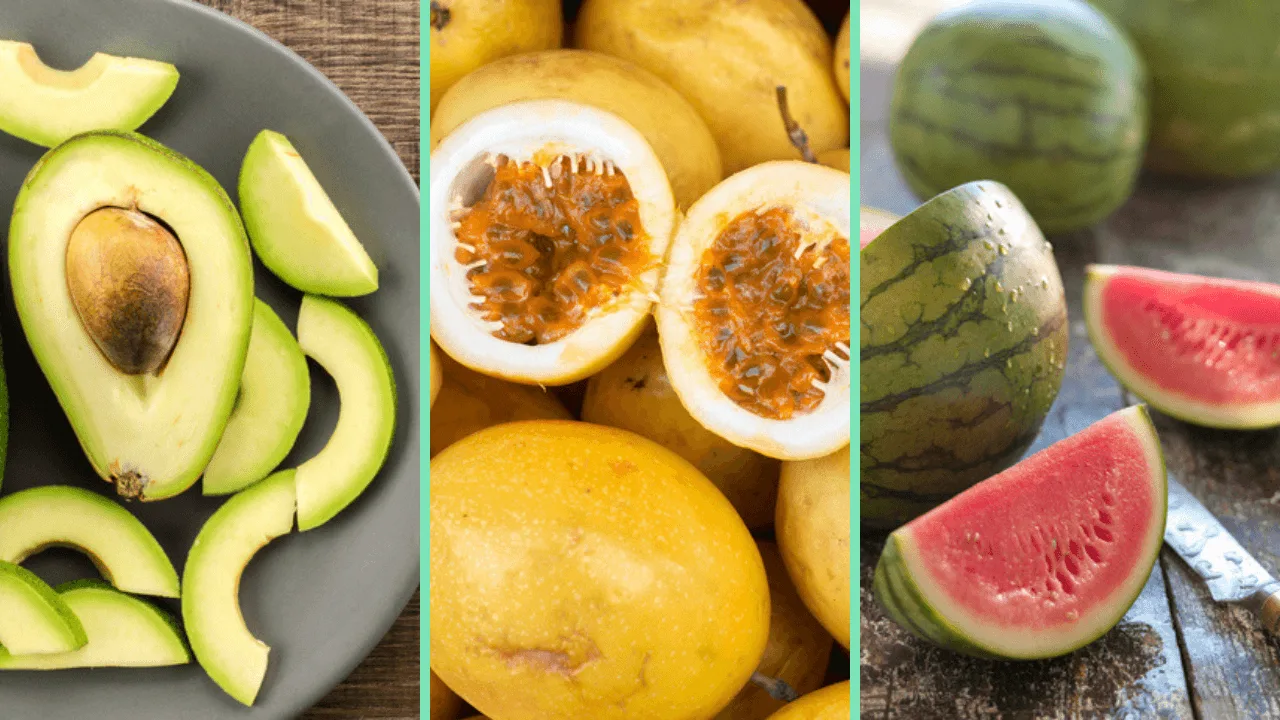
Avocado, passion fruit and watermelon (Kateryna Bibro, Pablo Jeffs Munizaga-Fototrekking, Victoria Pearson | Getty Images)
Creative ideas with three tropical fruits
If you still have no idea what to do with leftover fruits and vegetables, Robles and Martínez told us what they do with these three tropical fruits to extend their life in a delicious way.
1. Avocado
They don't just make the classic guacamole. At Frutos del Guacabo they make an avocado sorbet that is delicious and can help you make use of the excess fruit from your grandmother's backyard.
2. Passion fruit
In addition to making passion fruit juice and sorbet, the farm freezes the fruit's pulp to use later. Before doing so, they remove the seeds, which have other uses.
How to make use of passion fruit seeds: "Those seeds that are removed separately, which have great nutritional value, are sautéed, caramelized, and that makes them crunchy," Robles explained. Those sautéed, caramelized seeds are stored in a glass jar and can then be used on top of sorbet or salads to add a crunchy touch.
3. Watermelon
Watermelon is not only eaten fresh. It can also be turned into juice, making use of every part of the fruit. For example, at Frutos del Guacabo they turn the white part of the watermelon (between the red flesh and the green rind) into a pickle.
"With that pickle, you can play with different flavors. The one we have right now tastes like Christmas: it has cloves and all that. You can give it your own spin," Robles said.
🧀 How to make goat cheese, from raising the goat and milking to the final product and its uses.
🧑🍳 How to make jams from various products, including sweet peppers.
🍦 How to make sorbet using seasonal products such as avocado.
🥘 How to make sofrito.
🥫 How to make pickles and canning (preserving products in jars).
🌱 Planting workshop in soil or hydroponics, focused on agroecological farming.
👩🍳 Culinary workshops using various products.
🌾 Our agriculture coverage
This content was translated with the assistance of Artificial Intelligence (AI).