Nearly 71 years after it carried its last passengers, the old steam railroad that once circled Puerto Rico still draws the curiosity of anyone who wants to learn about the Island's history.
Several of its remains, along a route that runs from the coast to the mountains, have become municipal tourist attractions, while others stay hidden in plain sight of anyone who passes by.
Following political support in the House of Representatives for the initiative proposed by Ruta Borinquen, which seeks to protect the land that held the train's tracks around the island for pedestrian and cycling use, we highlight some of the most compelling remnants of the railroad that you can visit today.
1. Puente el canal San Antonio
Puerta de Tierra, San Juan 00910
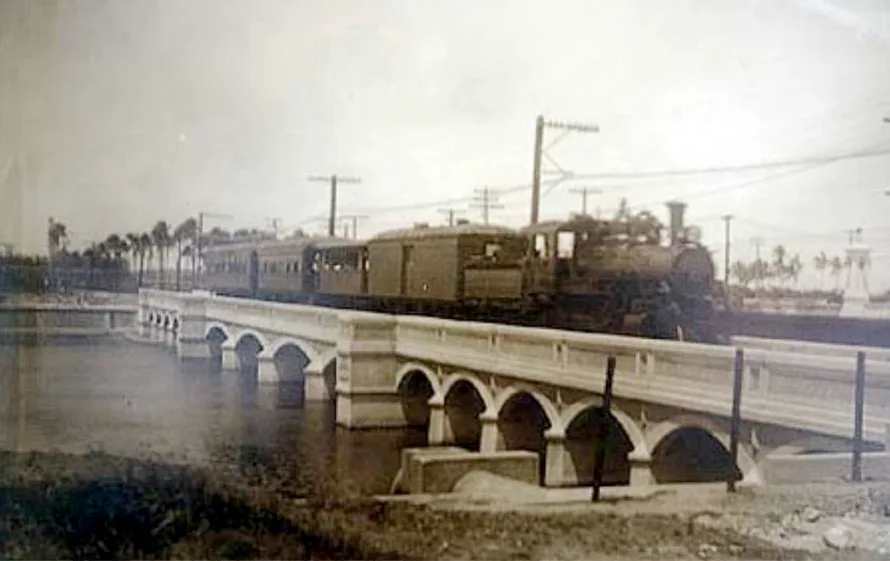
Although it is used more these days for acrobatics and jumps into the waters of Laguna del Condado, the small collapsed bridge to the left of Puente San Antonio was once the only rail connection between the Isleta de San Juan and the main island.
Both this structure and the current road link take their name from the Canal San Antonio they cross, as did the now-gone Fortín San Antonio, which once defended Miramar alongside Fortín San Jerónimo.
What else can you do?: We have several brunch options for you in the Miramar, Condado and Calle Loíza area.
2. El trencito de Levittown
Mansión del Mar, Toa Baja 00949
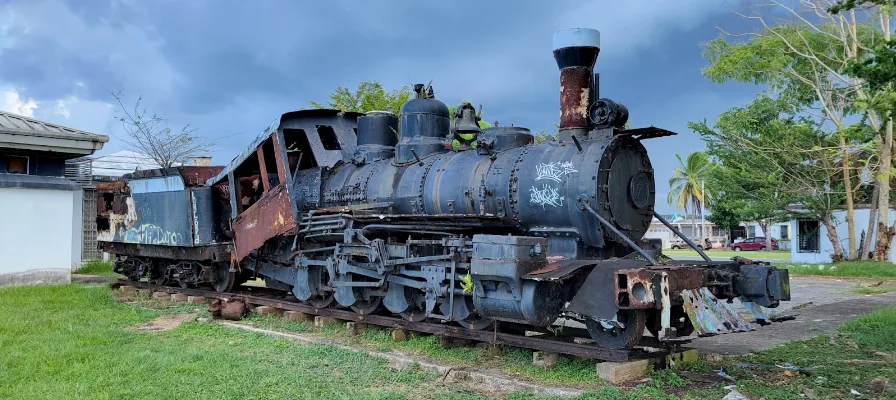
For decades, El trencito de Levittown sat in a corner of Toa Baja, a steam locomotive that served as part of the transport machinery at the Pasto Viejo sugar mill in Humacao.
Over the years, deterioration ate away at the beloved machine to the point where it seemed destined to ruin, until the municipal administration began a restoration process that will return it, in time, to its original condition.
What else can you do?: Dig into some nachos topped with amarillitos at La Mina Mexicana, a restaurant a few blocks from where the train used to stand.
3. Estación de Vega Baja
Sala de la Estación del Ferrocarril
Vega Baja 00693
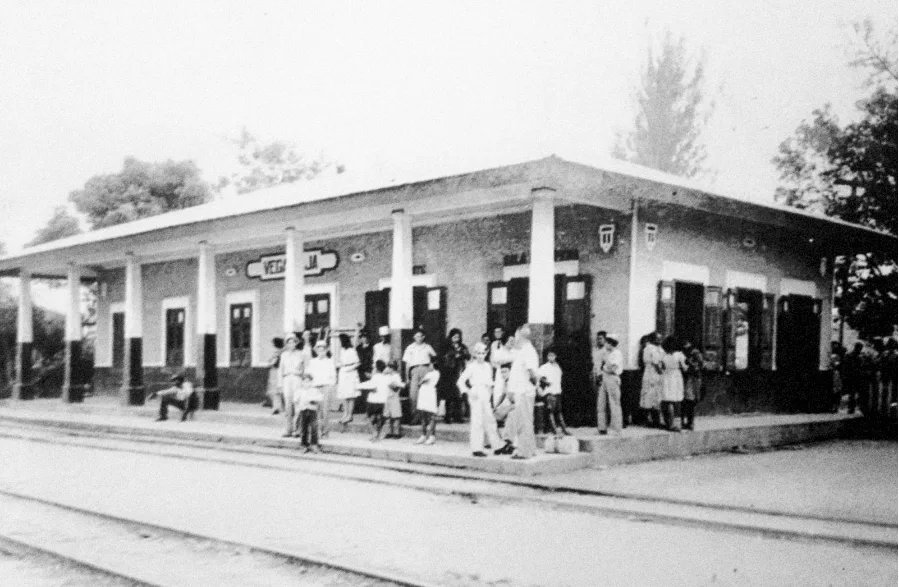
Recently reopened by the municipal administration, the Vega Baja station is the most faithful example of what the dozens of stations that made up the American Railroad Company (ARR) network once looked like.
On its grounds stands a diesel locomotive that hauled sugarcane cars as part of the fleet at Central Mercedita de Ponce.
What else can you do?: Seafood and local cooking are the order of the day at Bocaíto Restaurant, a few minutes away by car.
4. Puente Blanco
Calle Panorámica, Quebradillas 00678
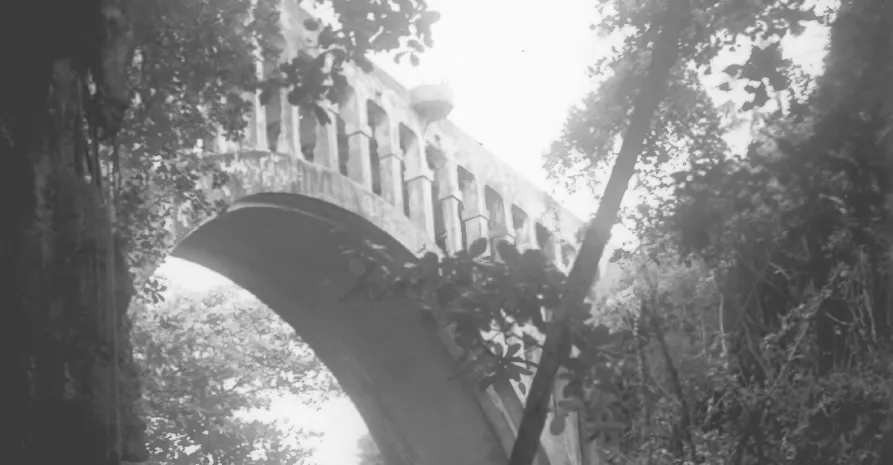
The pirate town still holds many hidden treasures tied to the circumferential railroad. Its crown jewel is undoubtedly Puente Blanco, a reinforced concrete structure listed in the U.S. National Register of Historic Places for its technical and architectural value.
Although its deterioration is evident, the Quebradillas municipal government has an active plan for its restoration.
What else can you do?: Perhaps more famous than the bridge itself is the seafood restaurant that shares its name, El Histórico Puente Blanco.
5. Túnel de Guajataca
Ave. Noel Estrada, Isabela 00662
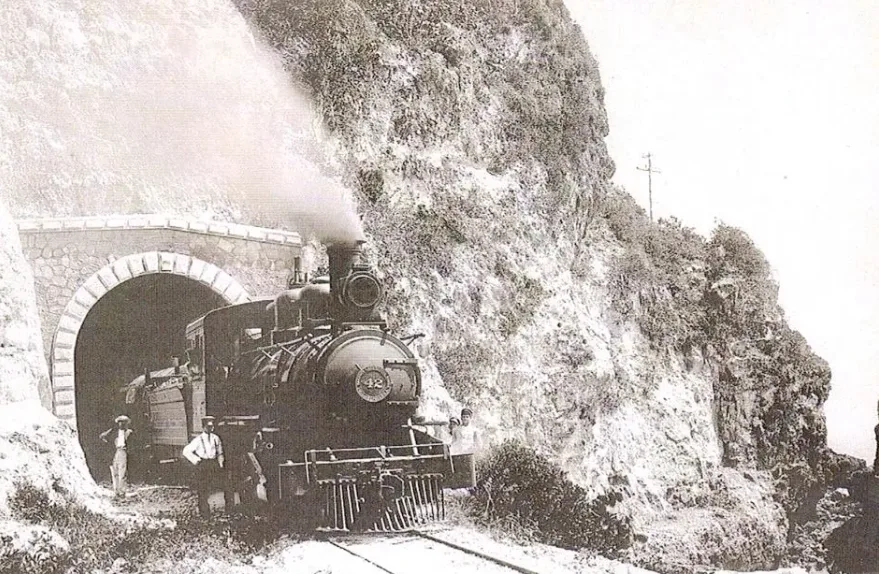
Perhaps the most recognizable railroad remnant in this guide is the well-known Túnel de Guajataca, which cut through the cliffs of Isabela to connect the railroad with the western part of the island. Together with Túnel Negro in Quebradillas, its less-known twin, the structure forms part of an ecological corridor connecting the Guajataca river with the embankments of Playa Pastillo, a pleasantly isolated corner away from urban activity.
What else can you do?: A mojito by the beach is never a bad idea, like the ones you can get at Tu Mojito.
6. Museo del Tren
Ave. Juan Hernández Ortiz, Isabela 00662
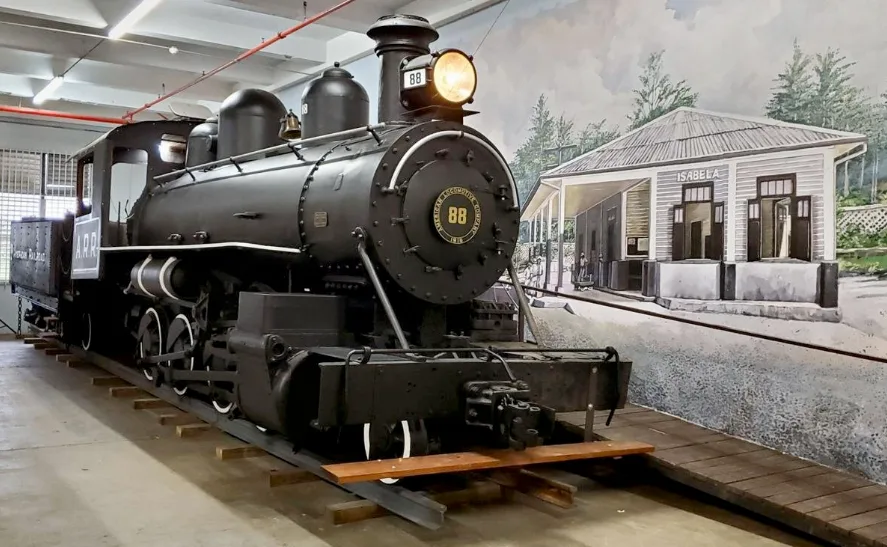
Run by volunteers and Isabela residents who still have a fondness for the remains of the railroad, the Museo del Tren carries out an educational and preservation mission both at its main facilities and around town.
If you visit the museum, you can explore some of the pieces they have restored, including locomotive No. 35, one of the ARR's original engines and the only surviving one that once carried passengers.
What else can you do?: If you're a wine fan, stop by The Wine Boutique for a good glass.
7. Muros de Playa Domes
Rincón, 00677
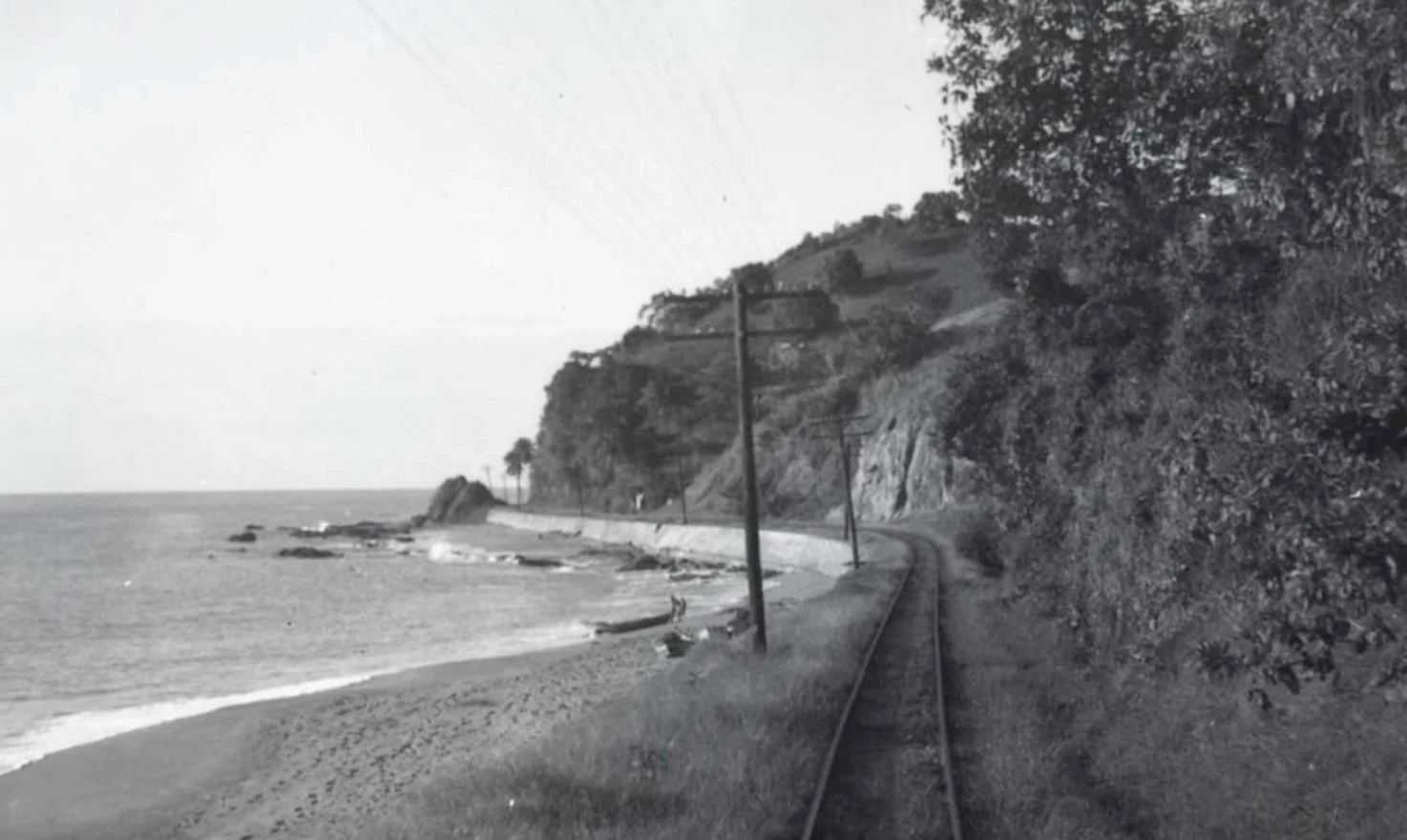
The coastal trail at Playa Domes, in Rincón, passes over a breakwater originally built to protect the railroad tracks from the waves of the Mona Passage.
Along paths cleared by community groups, you can walk from there to the Reserva Marina Tres Palmas while taking in what many consider Puerto Rico's best sunset.
What else can you do?: If you find yourself in the Town of Beautiful Sunsets, make the most of one of these 16 must-stop spots.
8. Túnel Guaniquilla
PR-307, Cabo Rojo, 00623
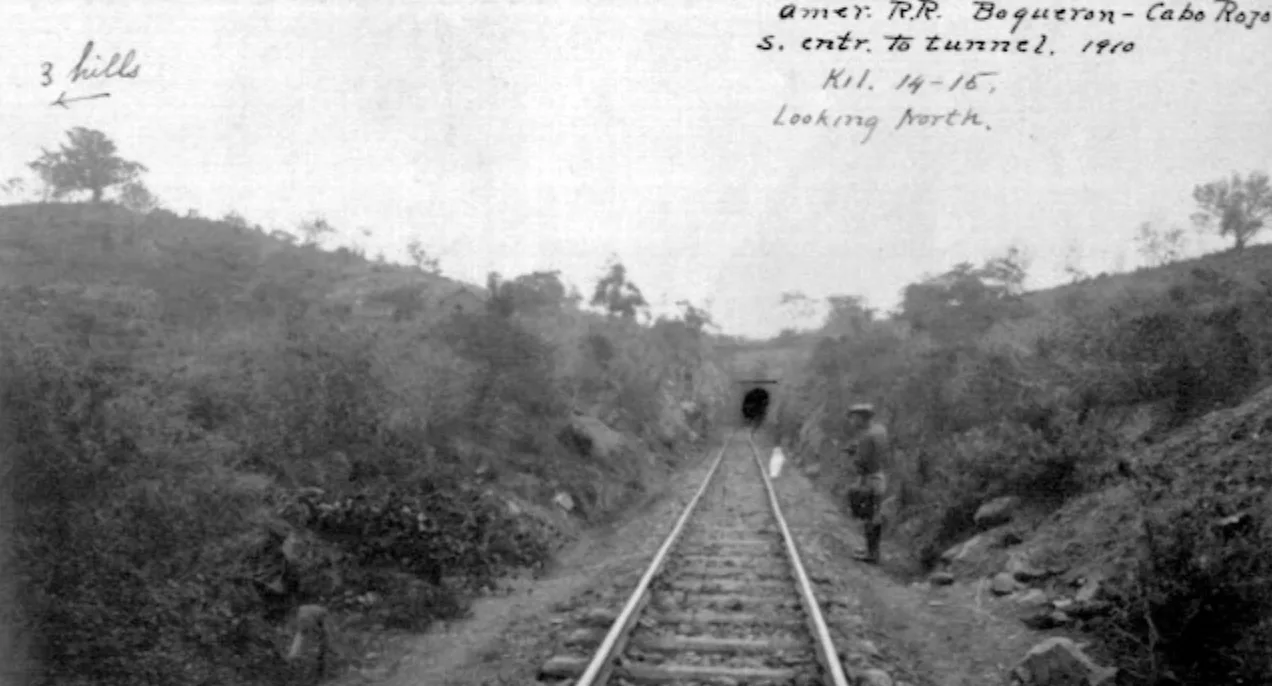
The shortest of the three tunnels built for the circumferential railroad sits inside the current Reserva Natural Punta Guaniquilla, in Boquerón.
Hikers and mountain bikers travel the path regularly; it leads them through a narrow cut in the rock where the train once continued on its route toward the coastal town.
What else can you do?: Quench your thirst at Sebucan Sport Bar while you take a few salsa lessons.
The Cabo Rojo station sits beside the Biblioteca Municipal Blanca E. Colberg Rodríguez, while the one in Hormigueros can be spotted from highway PR-319.
9. Riseles en la Playa de Ponce
Calle Iglesias, Ponce, 00716
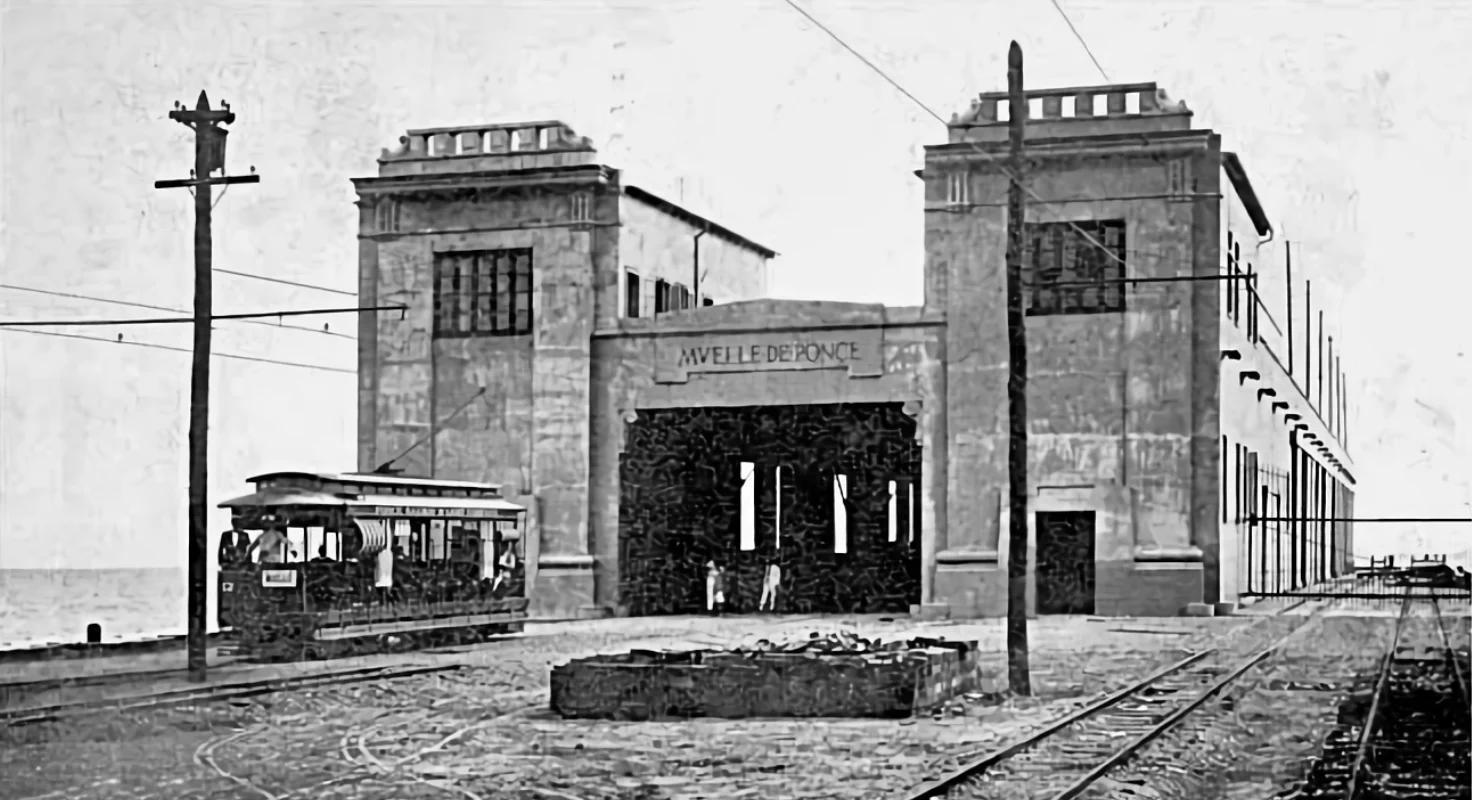
For centuries, the community of Playa de Ponce was the original port of the Pearl of the South, its second main urban center and its connection to the outside world.
In its heyday, a streetcar connected the coast to the municipal historic downtown, but over the decades the area has declined. As a pilot project, Ruta Borinquen has made Playa de Ponce a priority, aiming to restore, in some way, its link to the rest of the island.
What else can you do?: You can't go wrong with a chillo al ajillo from Bahías Restaurant.
10. Ruinas de Aguirre
Distrito Histórico Central Aguirre
Aguirre, Salinas 00704
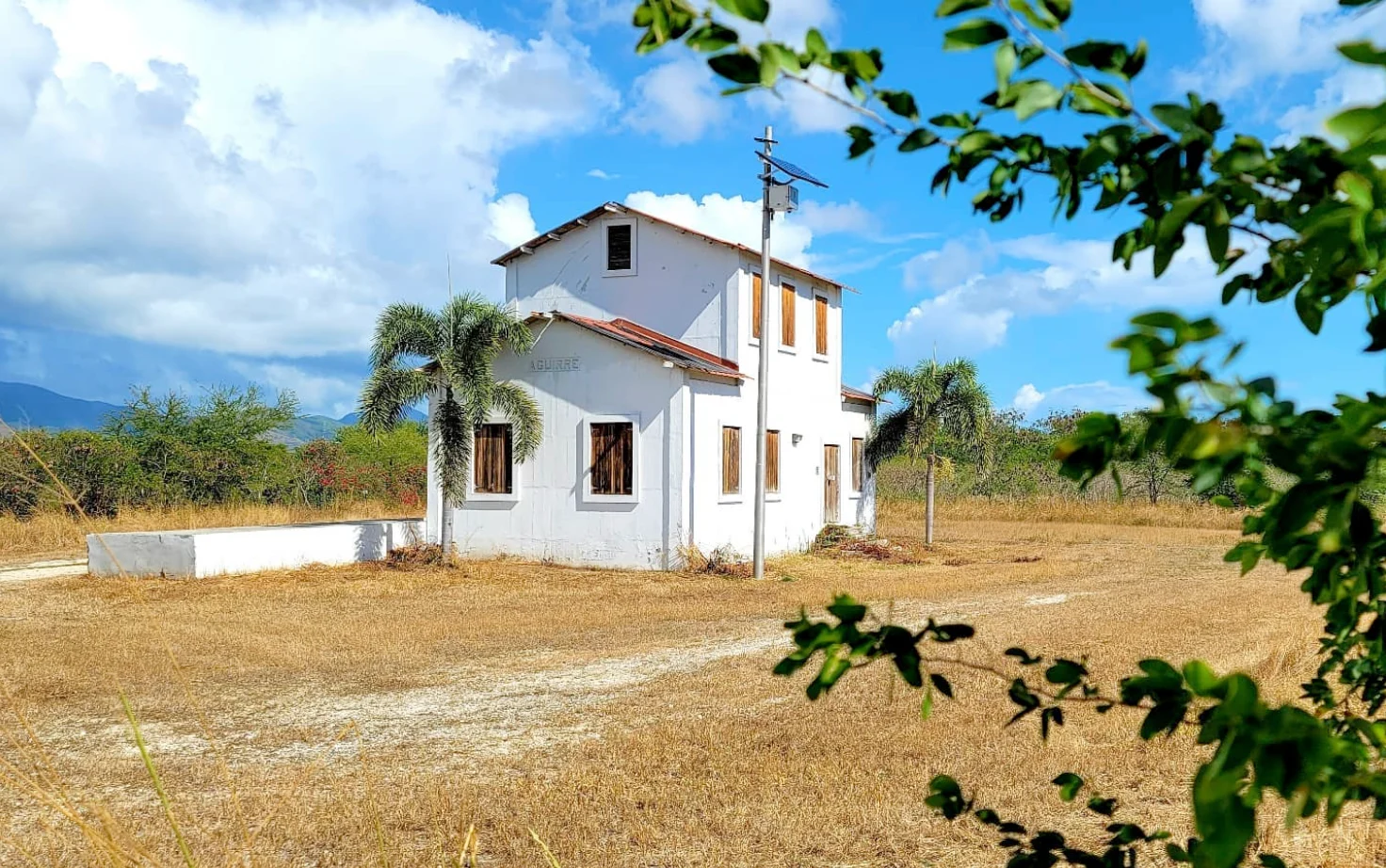
La Central Aguirre in Salinas was among the island's highest-producing sugar centers, and its historic settlement, home to workers and their families, was frozen in time after the industry declined in the mid-20th century.
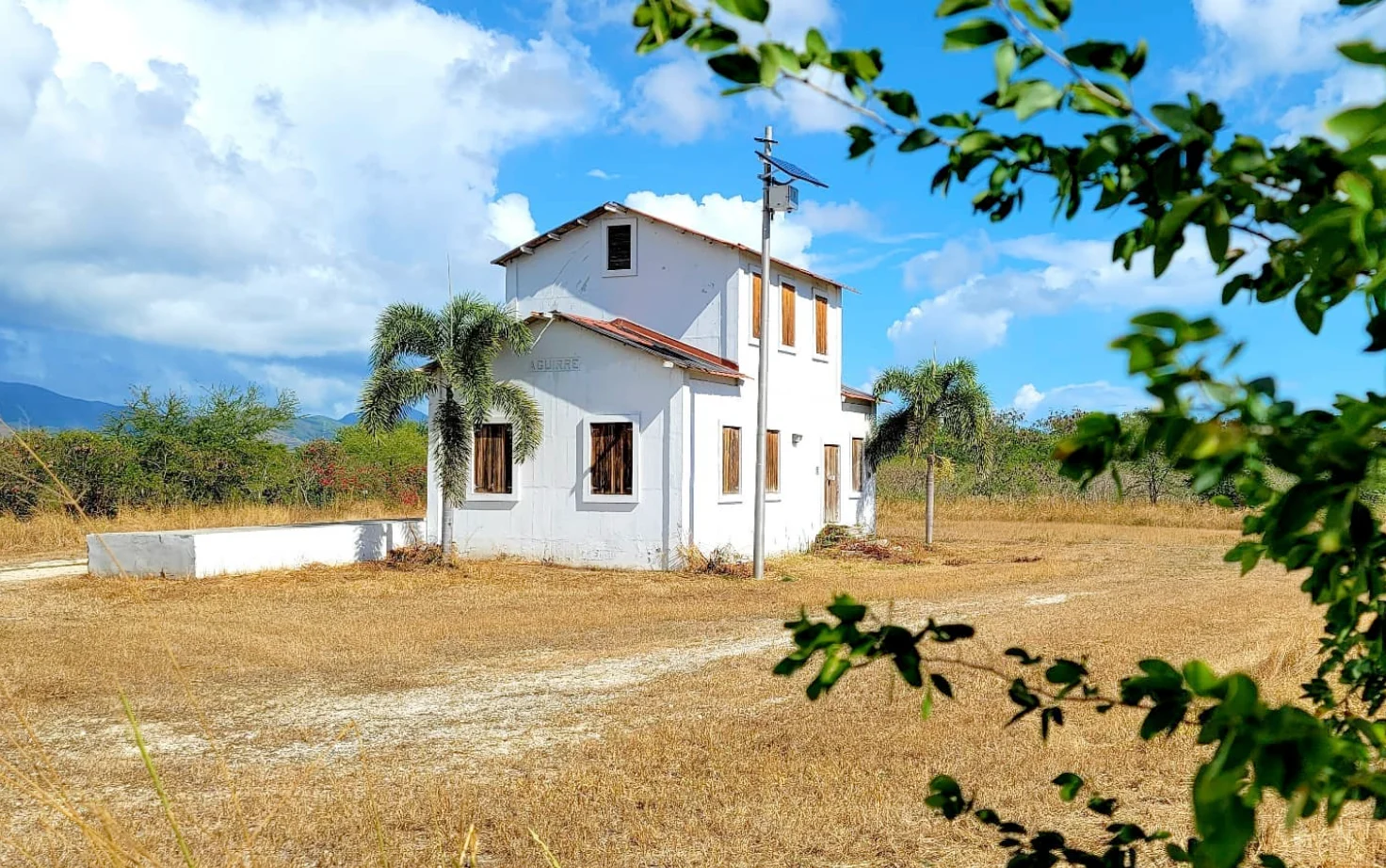
Within the now Distrito Histórico de la Central Aguirre, which seeks to revitalize the area for its protection and tourism potential, there is a distinctive train station, lovingly looked after by the community.
What else can you do?: Beach, countryside and adrenaline: Explore everything Salinas has to offer.
All aboard!
With the possibility that Ruta Borinquen could become law, now is a good time to visit these sites so you can say you were among the first to do the full route. Don't say we didn't warn you!
This content was translated with the assistance of Artificial Intelligence (AI).