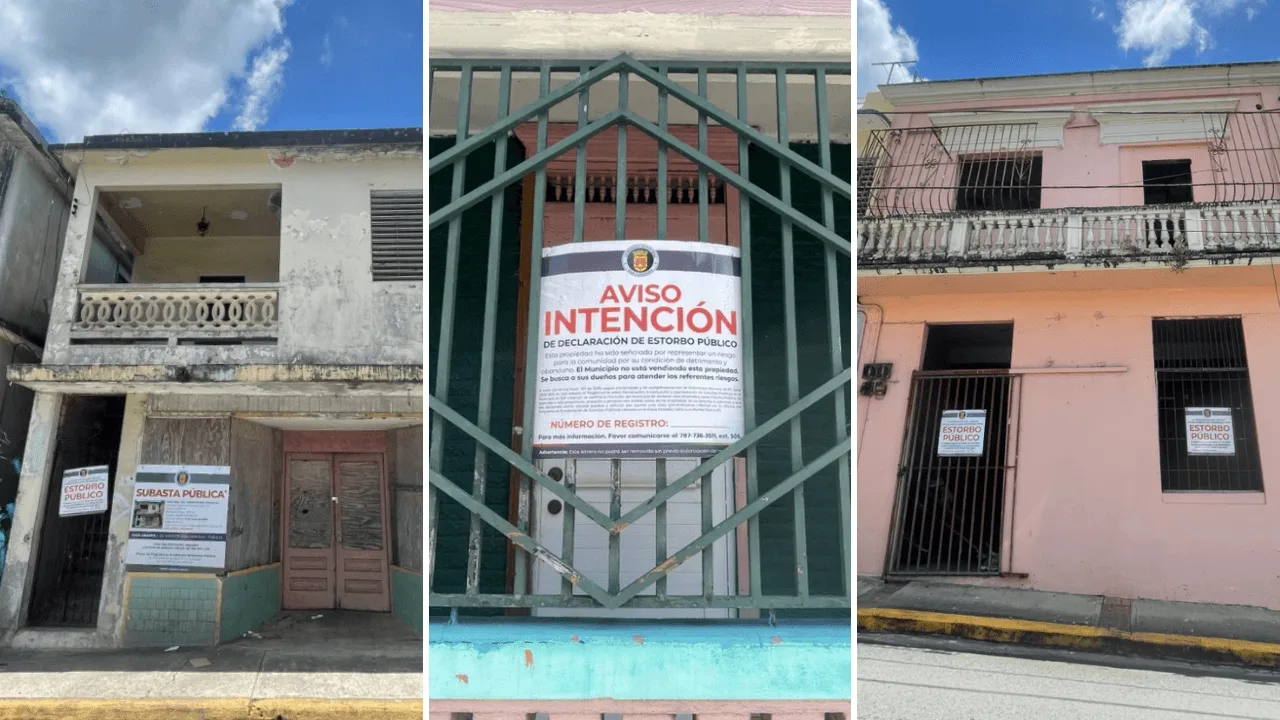
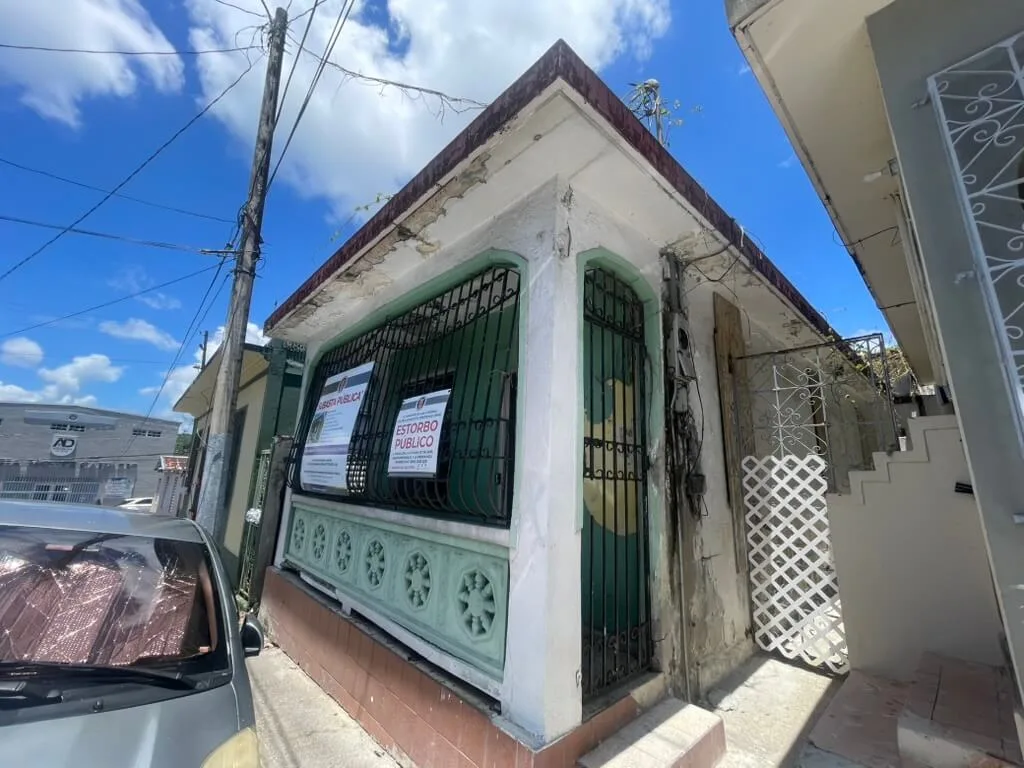
The Municipality of San Lorenzo has sold 12 properties declared public nuisances in two live auctions held on March 11 and May 6, at prices ranging from $9,000 to $104,000.
With these proceeds, the municipality hopes to recover part of the investment made in the Public Nuisance Eradication Program over the past five years, estimated at $700,000, covering condemnation proceedings, demolition and other matters related to the properties, most of them located in the historic downtown.
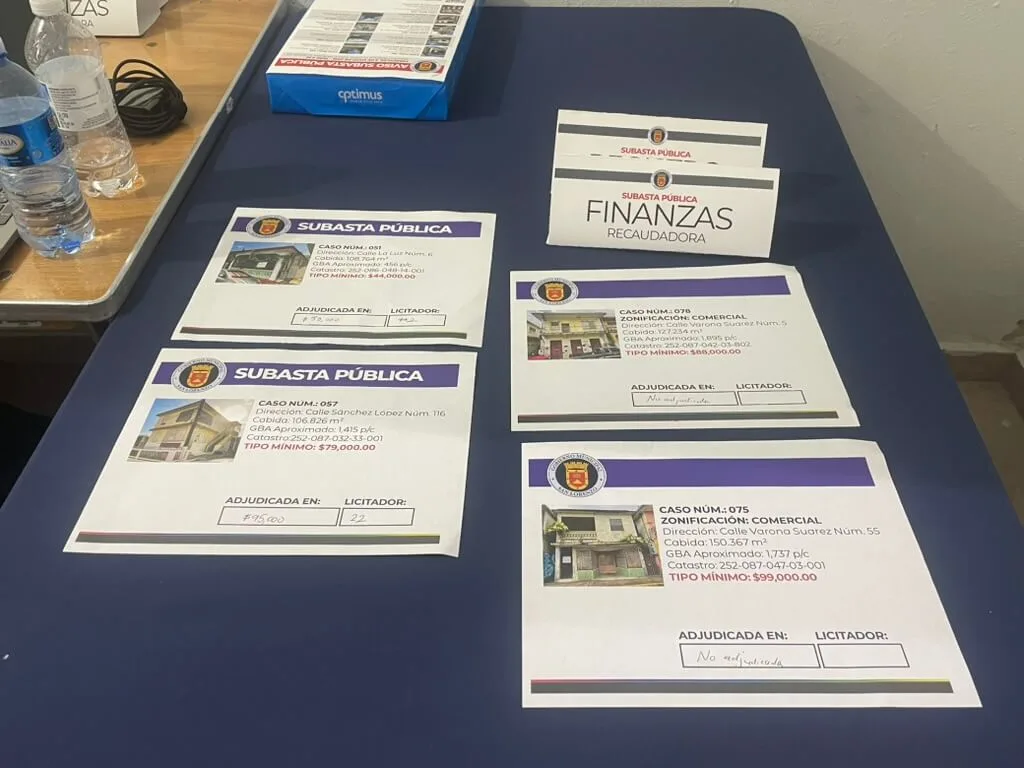
We attended the May 6 public auction and interviewed Rafael Malavé Poupart, director of the Programa de Erradicación de Estorbos Públicos del Municipio de San Lorenzo, about the auction process and who can participate, where the money goes, and when the next auction might be, among other common questions.
How did the second public nuisance auction go?
Rafael Malavé Poupart (RMP): "It was simpler than the first one. We were more prepared than the first time. Participation was a little lower; I assume a lot of people's curiosity was satisfied by the first auction. We had members of the general public as well, same as the first time. Out of nine properties, we sold seven. Two drew no interest. And it's a new stage in the process after the auction."
🏘️ The properties
What kinds of properties are being auctioned?
RMP: "The properties already belong to the municipality; they have already gone through the condemnation process. That's why this is a sale from the municipality to the citizen, not a case of going out with the citizen's money to condemn property. That's what makes the process faster."
"We started with the historic downtown and most of them are residences. We have some that are mixed-use; some are on the main streets of the town, with the condition that the upper floor is residential and the lower floor is commercial. This morning (May 6), the two mixed-use properties drew no interest. So I understand that the greater need is for housing."
Are the properties' legal matters already resolved?
RMP: "Correct. Once they reach auction, they already belong to the municipality."
Could there be issues with heirs?
RMP: "No. These properties have already gone through the entire (legal condemnation) process. The resolution was accepted by the court. The court issued a judgment. The property already has a clean title in the municipality's name."
🙋 The bidders and the process
How does the process work for participating as a bidder in an auction?
RMP: "What the municipality requires is that the person bring a valid, current ID on the day of the auction, along with a (cashier's) check for $5,000 made out to the municipality, and that gives them access to bid. It's a registration process that goes fairly quickly. Once they register, they move to the main hall of the theater and eventually we get started."
Who can participate?
RMP: "Anyone with a valid ID."
Do you have to be present to participate in the auction?
RMP: "In this case, yes. We are not yet opening the process to bids online, and the person here is buying for themselves (not on behalf of a third party)."
Is there a limit on how many properties can be purchased at auction?
RMP: "No. We haven't limited the number of properties in order to keep the competition open. So far, at least here, we haven't had the experience of having buyers who corner the market, which can happen in other towns that may have an added draw, coastal towns that are more attractive for setting up B&Bs or different commercial properties."
📃 The process: how to pay
How is payment for the properties completed?
RMP: "If a bidder wins, they have 120 days to complete the payment. The contract is signed the same day as the auction, and they have those 120 days to pay." The $5,000 check is taken as a deposit and subtracted from the total amount due, he explained.
What payment methods are available?
RMP: "Always by cashier's check." Credit cards and cash are not accepted.
Have payment plans been arranged?
RMP: "It would really be case by case. In the experiences we've had so far, people come back with the check for the full remaining amount after the $5,000 deposit."
What happens if the payment isn't completed within 120 days?
RMP: "If the debt isn't settled within 120 days, they lose the deposit, because that's part of the contract."
🧑🔧 After the purchase, what comes next?
What obligations does the buyer have after acquiring the property?
RMP: "Once the property is purchased, they have up to one year to repair it and bring it out of public nuisance status. (That means) making it habitable, so that a family, a human being, can live in the property, connect to water and electricity, and so that the property is safe and sound."
What happens if the buyer does not rehabilitate the property within the established timeframe?
RMP: "The municipality can exercise the right of conventional redemption. That means that if, within one year, the person has not met the requirement of making the house habitable, the municipality returns the money to the person and the property would then become available on the market again."
🙅🏻 Properties that were not auctioned
What happens to properties that receive no bids at the auction?
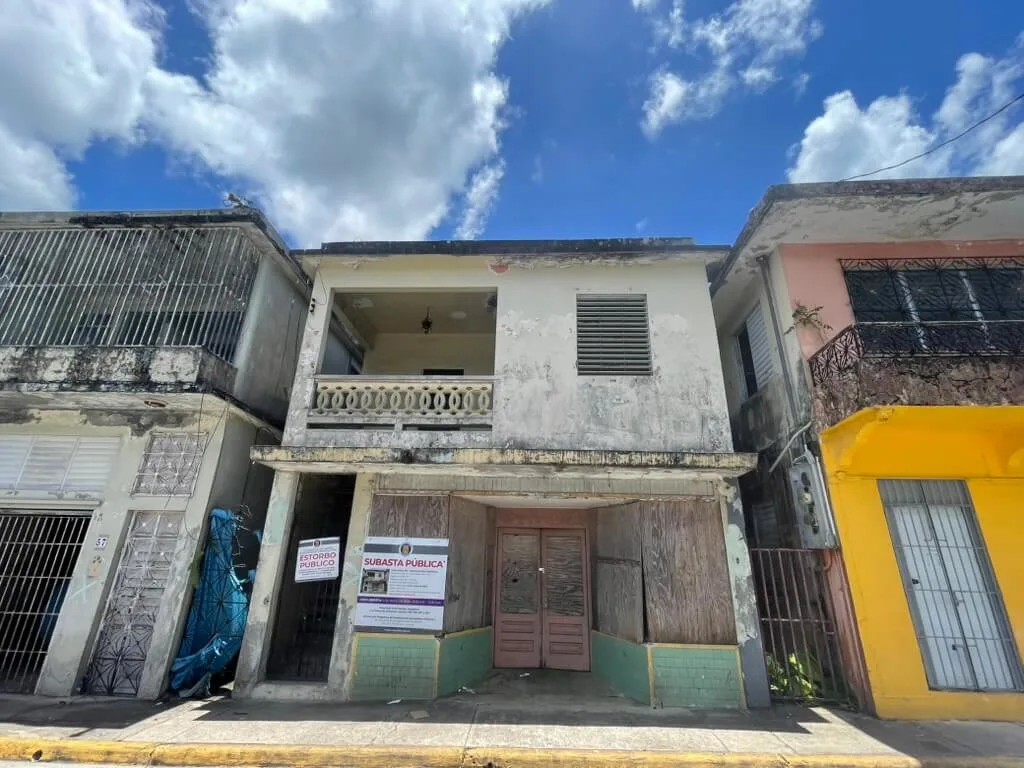
RMP: "An inventory would be created, since they generated no interest at auction." The municipality decides whether the property will be demolished or placed in the inventory, he explained. "It's an inventory from which an individual citizen can request acquisition from the municipality." A discount may be applied, he said.
🔨 2 public nuisance auctions on March 11 and May 6, 2026
🏘️ 14 properties were listed in both auctions; two drew no interest
🤝 12 properties sold (5 in the first auction, 7 in the second)
📉 $9,000 is the lowest price at which a public nuisance property was auctioned, in the second auction
📈 $104,000 is the highest price at which a property was auctioned, in the first auction
💰 $707,000 is the total sum from the sale of the 12 properties sold in both auctions
💸 $700,000 is the approximate amount that San Lorenzo's Programa de Erradicación de Estorbos Públicos has invested over five years in legal proceedings and administrative costs
♻️ $400,000 is the approximate amount that will be returned to municipal coffers after the auction process, once all sale payments are completed
💰 The money from public nuisances: investment and where it goes
What is done with the money raised at the auctions?
RMP: "We are essentially returning money to the general fund so that the program itself can fund itself and eventually continue acquiring additional properties, or eventually repairing properties at a much later stage that could be of social interest."
He noted that the municipality has invested approximately $700,000 in this program over the past five years, divided among acquisitions, demolitions and administrative costs, among other things.
🏚️ Other public nuisances and the next auction
There are more than 100 declared public nuisances and about 28 cases waiting for legal proceedings to advance before they can be brought to auction.
The next auction could take place in as few as 30 days, though Malavé Poupart estimates it will be closer to 60 days from May 6, which would put it around July 5.
How is transparency in the process handled?
RMP: "Today we did not have oversight agencies present. Last time we had the (Office of the) Comptroller and the (Office of) Government Ethics here as guests. We had the Municipality of Isabela as observers. (It is also) recorded for the record. The recordings are available on the municipality's public nuisances page: estorbos.sanlorenzo.gov.pr".
🏡 Our Housing coverage
Cover photo: Several declared public nuisances in San Lorenzo (Cindy Burgos | PlateaPR)
This content was translated with the assistance of Artificial Intelligence (AI).