Andaluz
- Ideal for:
- romantic dinners, special nights out, meals to celebrate with friends.
- Accessibility:
- Spacious restaurant. Valet parking is available, and it is a 4-minute walk from parking facilities such as Doña Fela.
- Prices:
- Appetizers range from $5 to $19; sharing plates from $14 to $25; fish dishes from $24 to $29; and main courses from $30 to $92.
- Atmosphere:
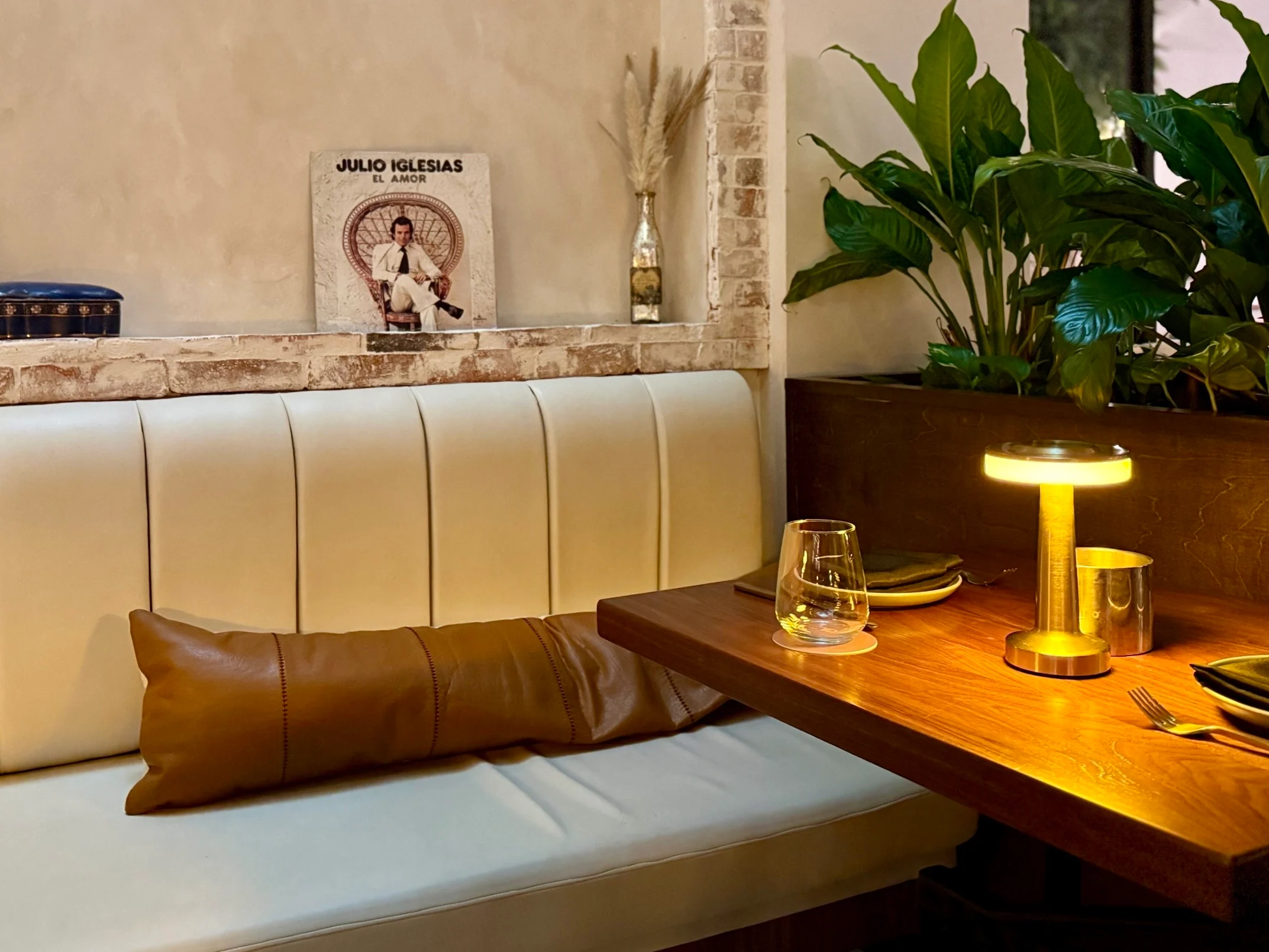
- Sophisticated, intimate, and with an open kitchen. Natural light during the day, low lighting at night.
- Hours:
- Wednesday through Sunday, 5:00 p.m. to 10:00 p.m.
- Address:
- 405 C. de San Francisco 1st Floor, San Juan, 00901.
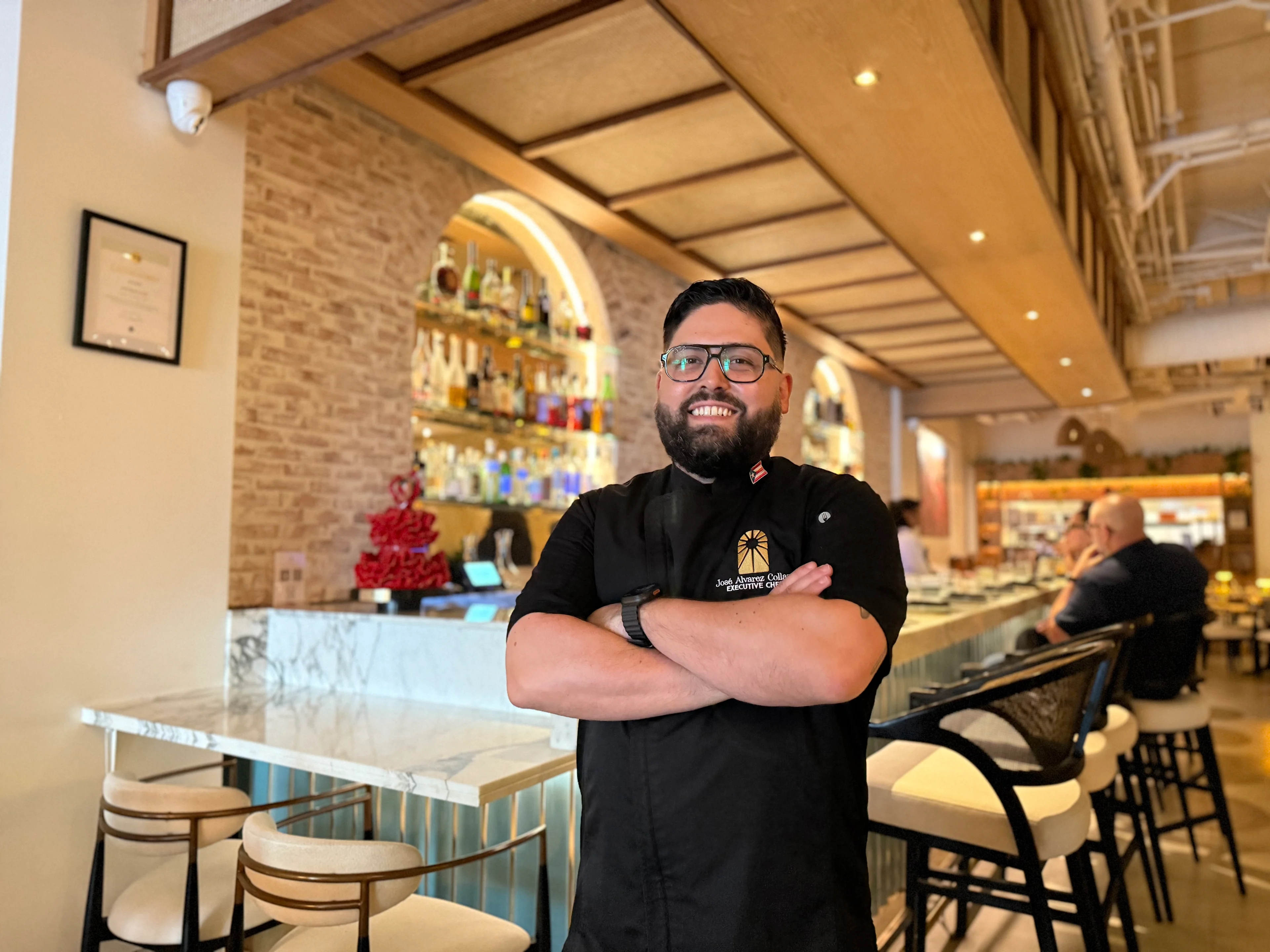
From your table at Andaluz you can watch the chef move through the open kitchen, pan in hand. His rhythm calls to mind flamenco: force, footwork, arm movement, emotion and physical expression. José Álvarez keeps that beat with the same dedication that brought him back to Puerto Rico seven years ago.
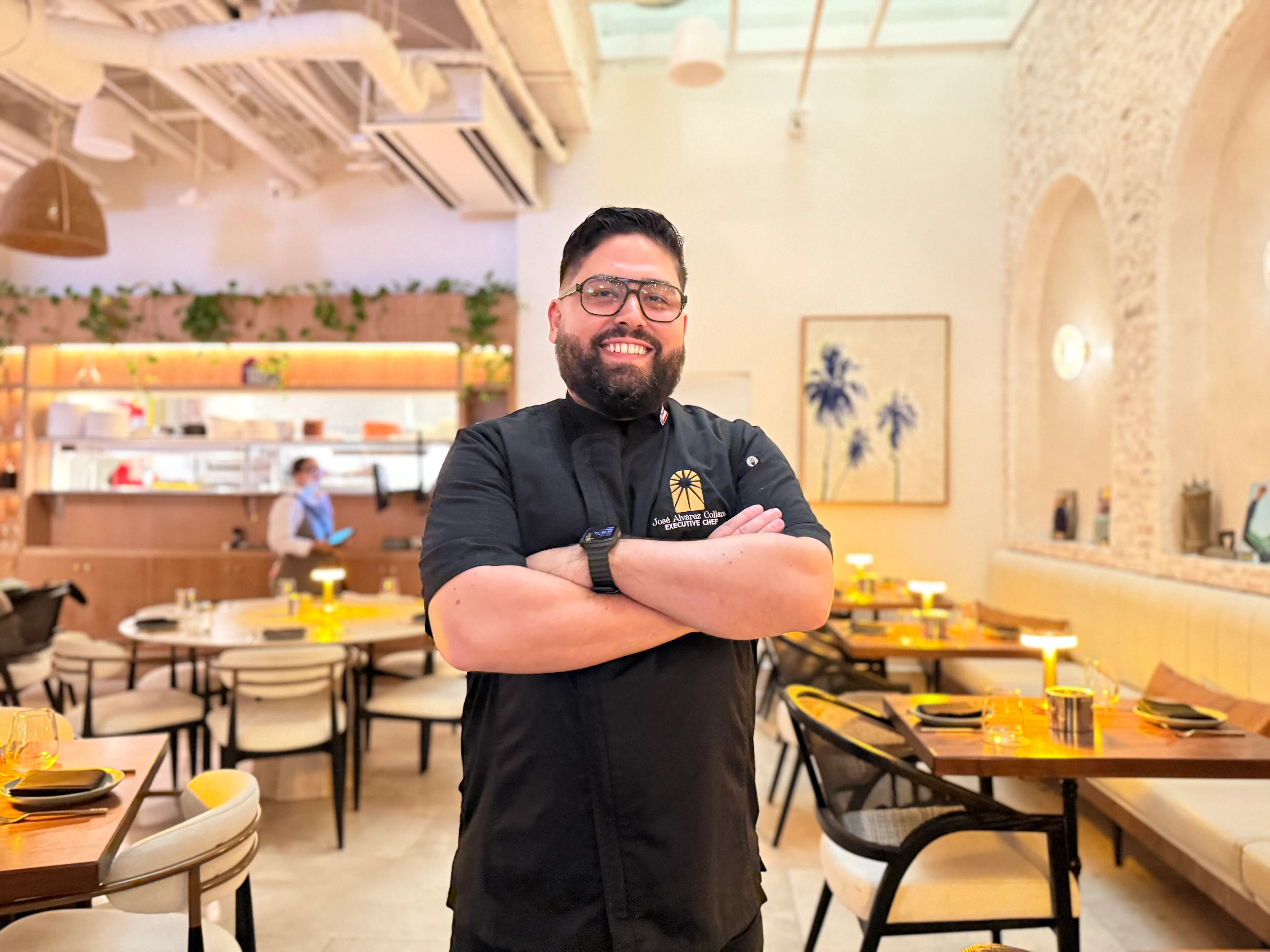
The executive chef at Andaluz studied at the French Culinary Institute in New York and opened a restaurant in Argentina, but seven years ago he returned to Puerto Rico to do justice to the richness of the Island's land. "Fresh products, local products, local suppliers, fishermen, agriculture. To me, that is Andaluz," he tells Platea.
The restaurant's producer partners include:
Crudo Seafood (Cataño): local catch
Quality Agriculture Farm (Aibonito): tomatoes, cucumbers and peppers
La Ceba (Corozal): pork and lamb
De la Cuerda (Comerío): radishes, carrots and vegetables
Frutos del Guacabo (Manatí): goat cheese, honey, fresh herbs and vegetables
Alcor Foods (Bayamón): Spanish chorizo
Vaca Negra (Hatillo): artisanal cheeses
Panadería Clandestina (Old San Juan): sourdough and breads
Productos Aúna (Dorado): tropical vinegars and gandule miso
PRoduce (Miramar): tropical fruits and local vegetables
Finca Güasabara (Ciales): microgreens and edible flowers
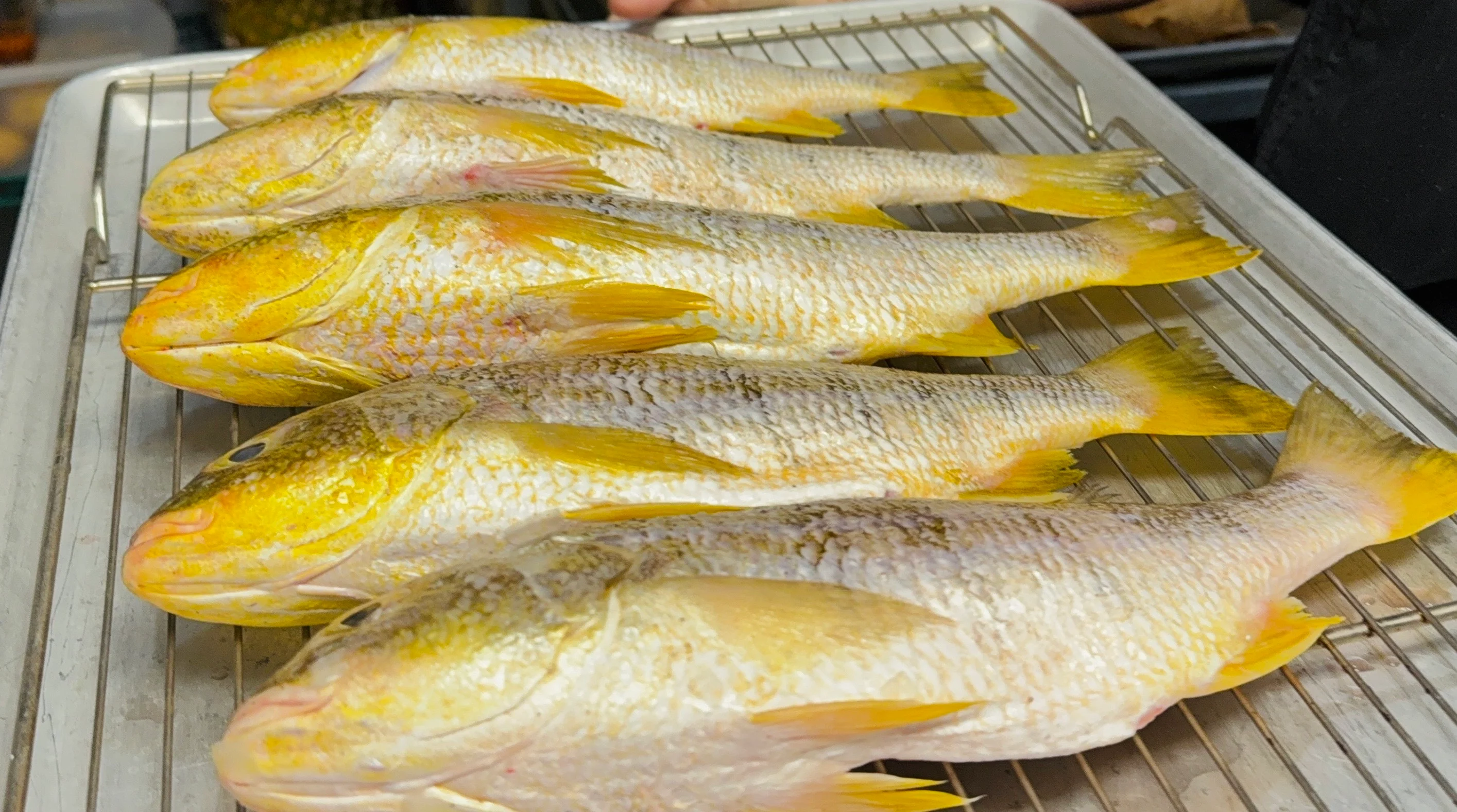
Andaluz is a farm-to-table and farm-to-glass concept, with Andalusian touches in every detail. That influence carries into the space as well: the building dates to the early 19th century and retains a Spanish architecture that preserves Moorish elements, much like Andalusia itself.
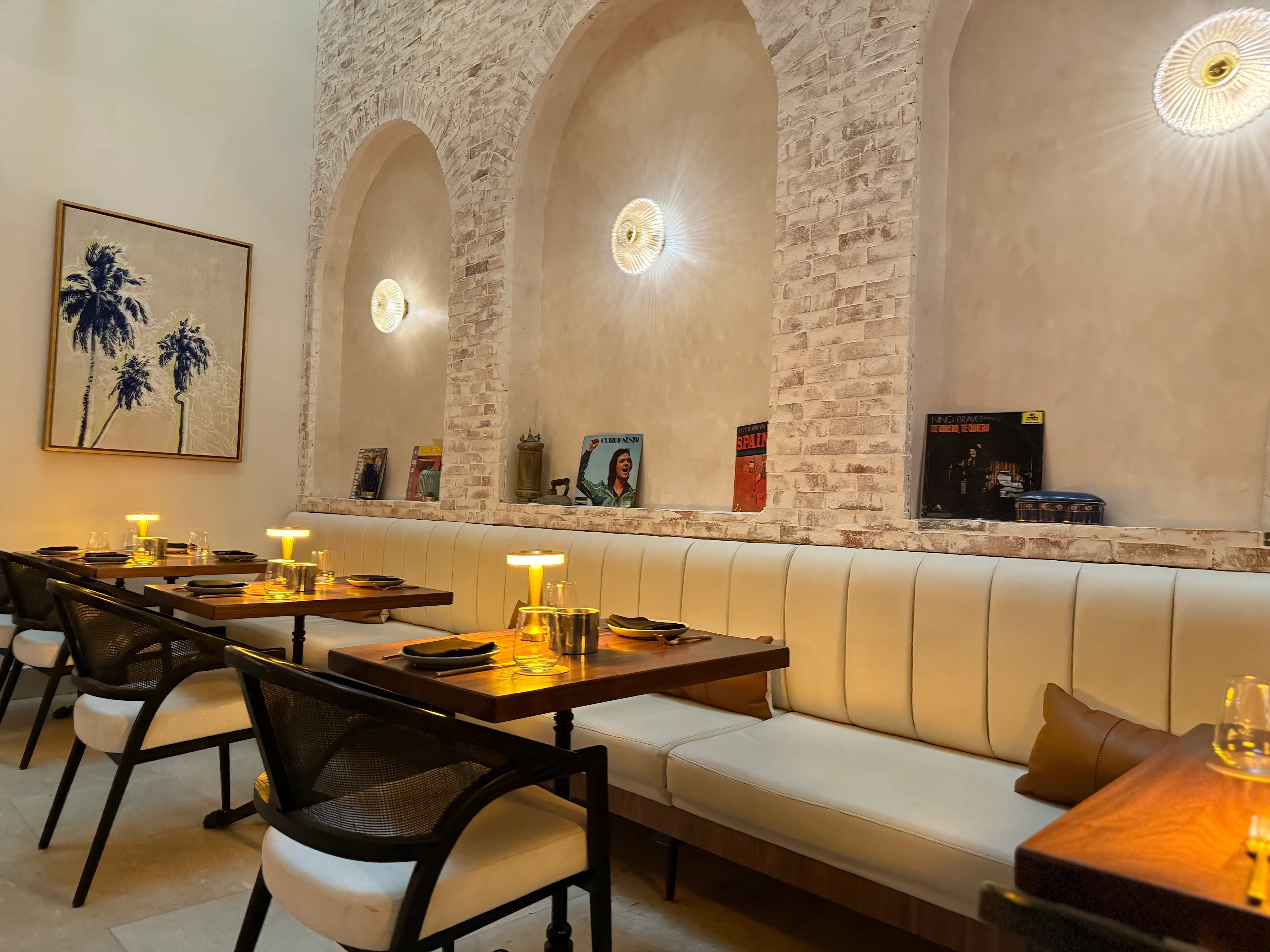
Mesas de Andaluz at the Alma del Viejo San Juan hotel.
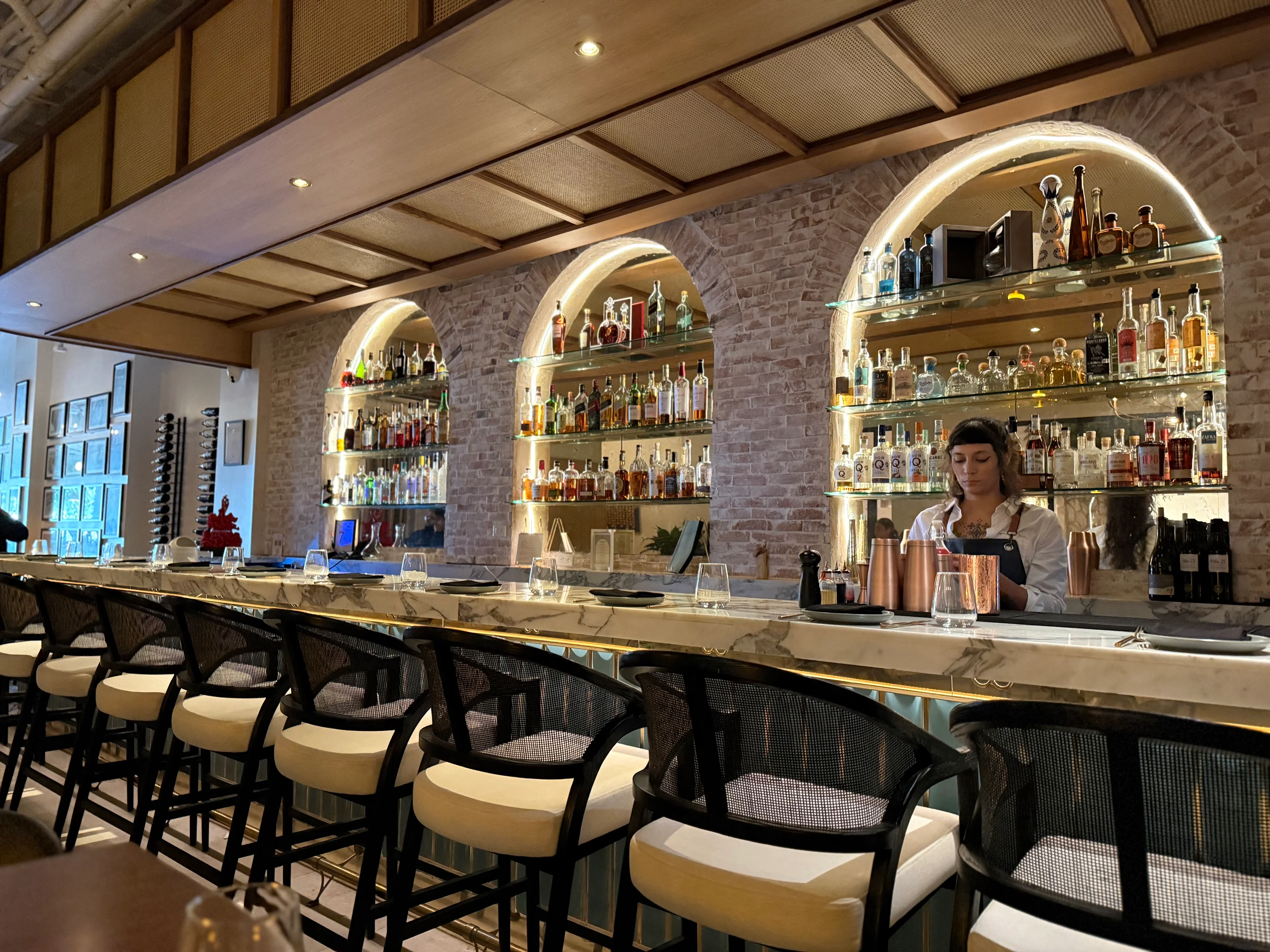
Bar at Hotel Andaluz in Old San Juan
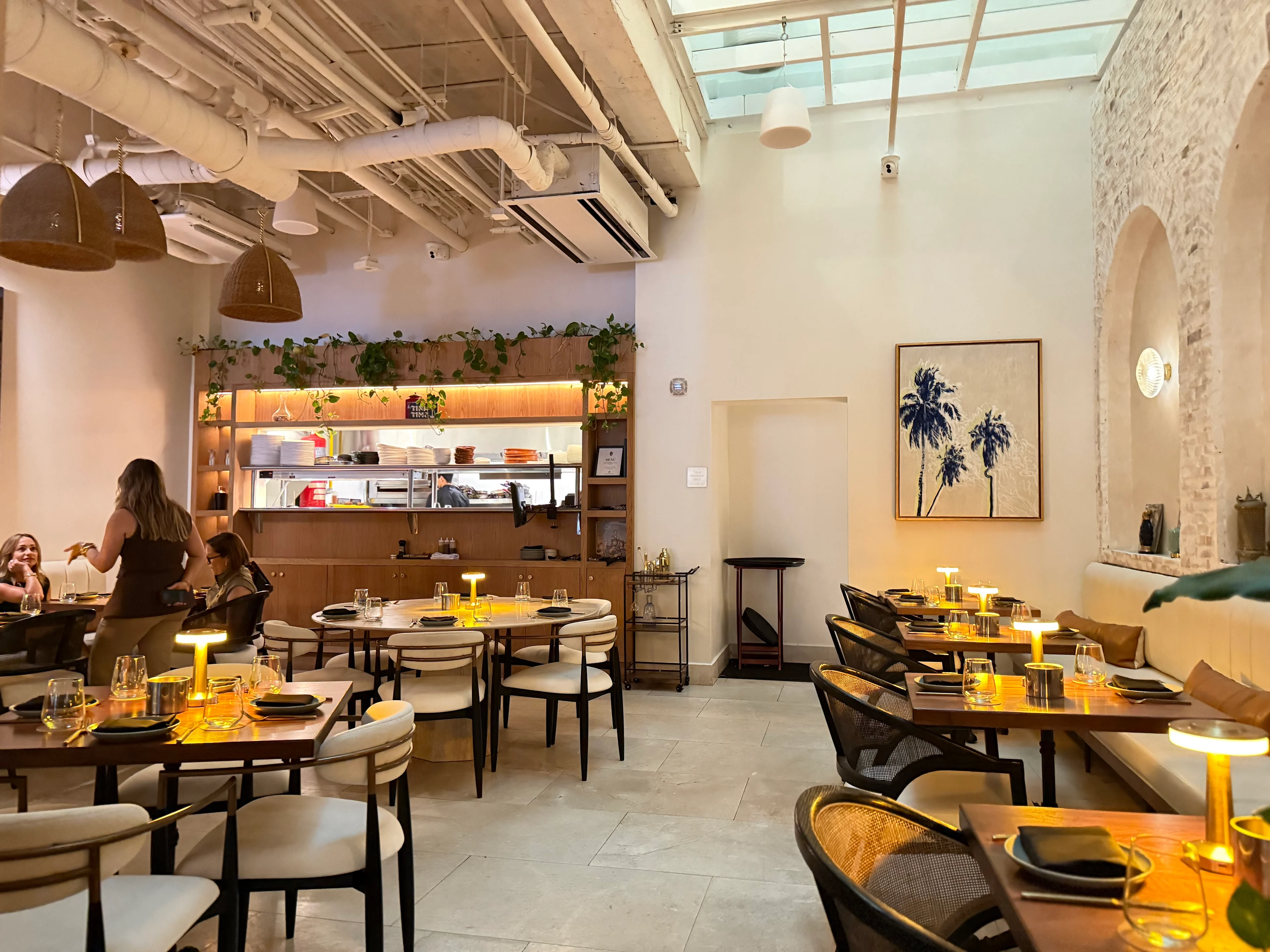
Andaluz's open kitchen
Located across from Plaza Colón, on the lower level of Hotel Alma, the restaurant features notable décor, including "La Andaluza," by Iván Alejandro Báez, hanging on its walls. During the day, natural light fills the room; at night, dim lighting plays off the contrast of an illuminated high bar.
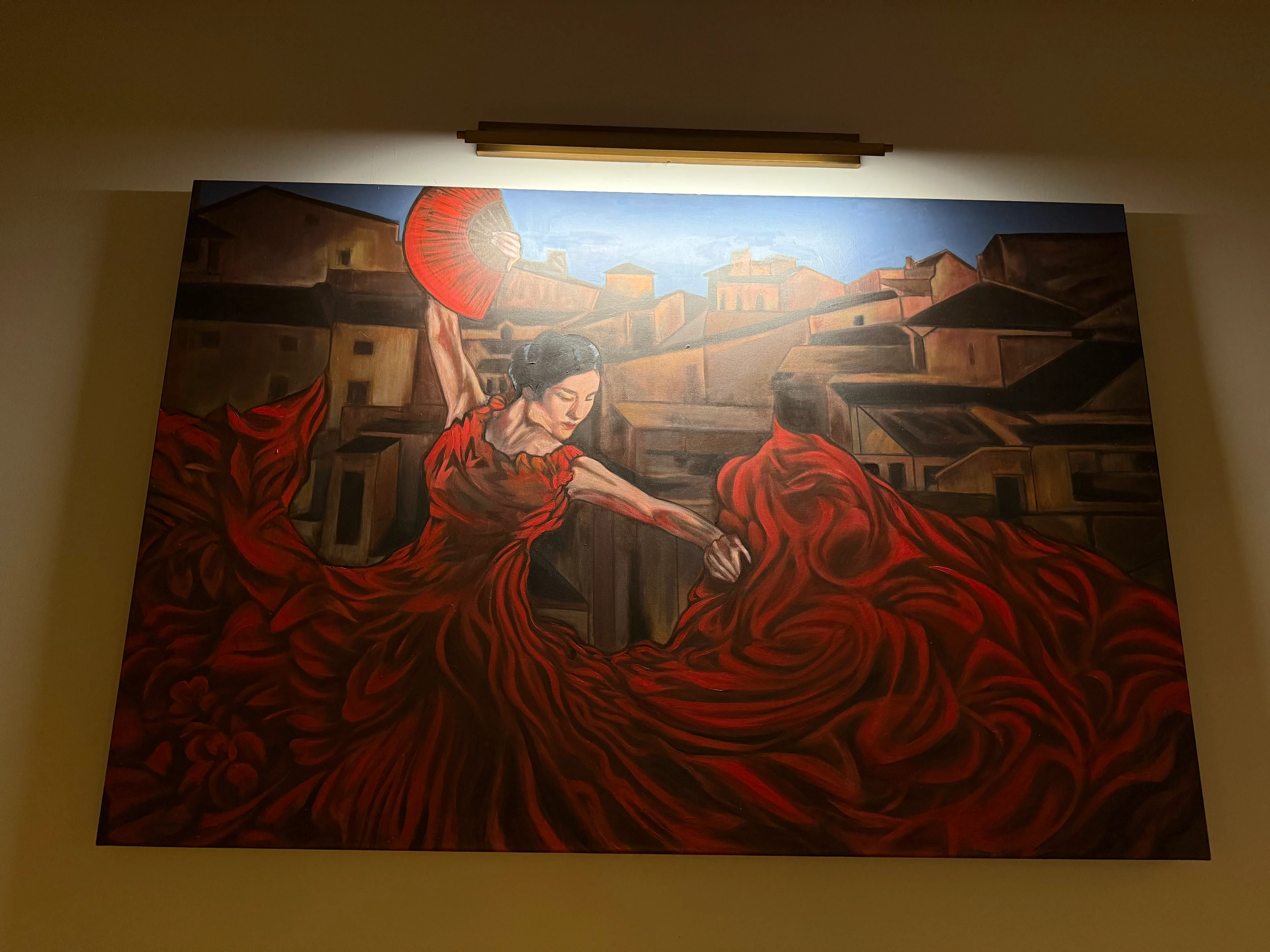
The curation by Erika Medina Vecchini reflects a sophistication that ensures a refined experience.
The food
"We are not traditional," Álvarez says, and the food we tried bears that out. Andaluz is a Spanish fusion restaurant built around local Puerto Rican ingredients. Its signature is a play of textures and sweet, salty and spicy flavors. Each bite lands as a complex but well-ordered burst of flavor.
You can order patatas bravas, tortilla española, croquetas, octopus and squid here, but it is worth stepping outside the traditional mold and trying what you would not normally order, or better yet, leaving it in the chef's hands. "If you don't want to think and you want to leave everything to me, I would say the tasting menu," Álvarez recommends.
On the menu you will find the tasting menu, which changes according to seasonal ingredients, and a variety of dishes divided into appetizers, sharing portions, fish and seafood, and main courses. I let myself be guided, and these were the dishes I tried:
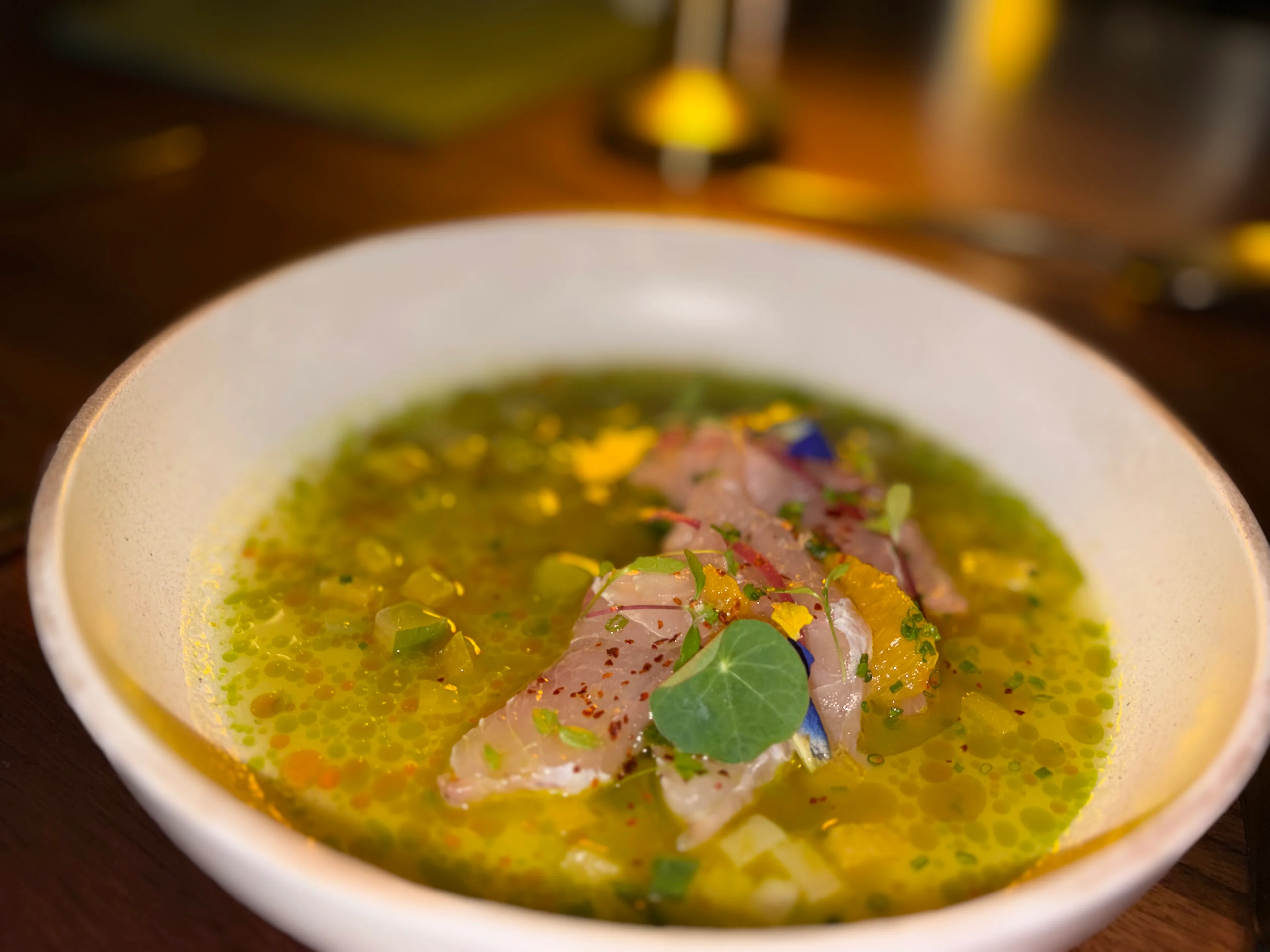
Crudo de Róbalo from Crudo Seafood Cataño
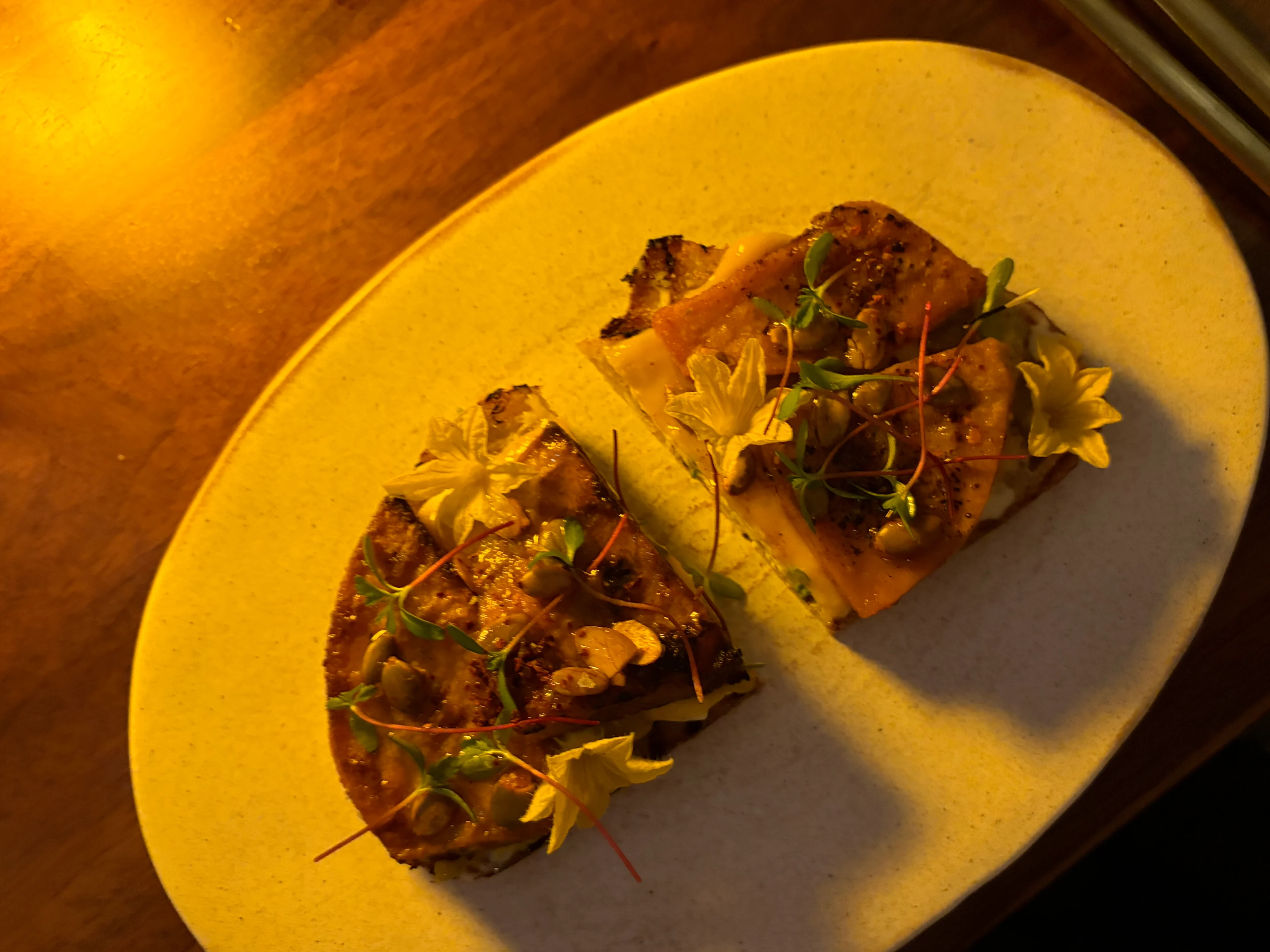
Local Squash Toast
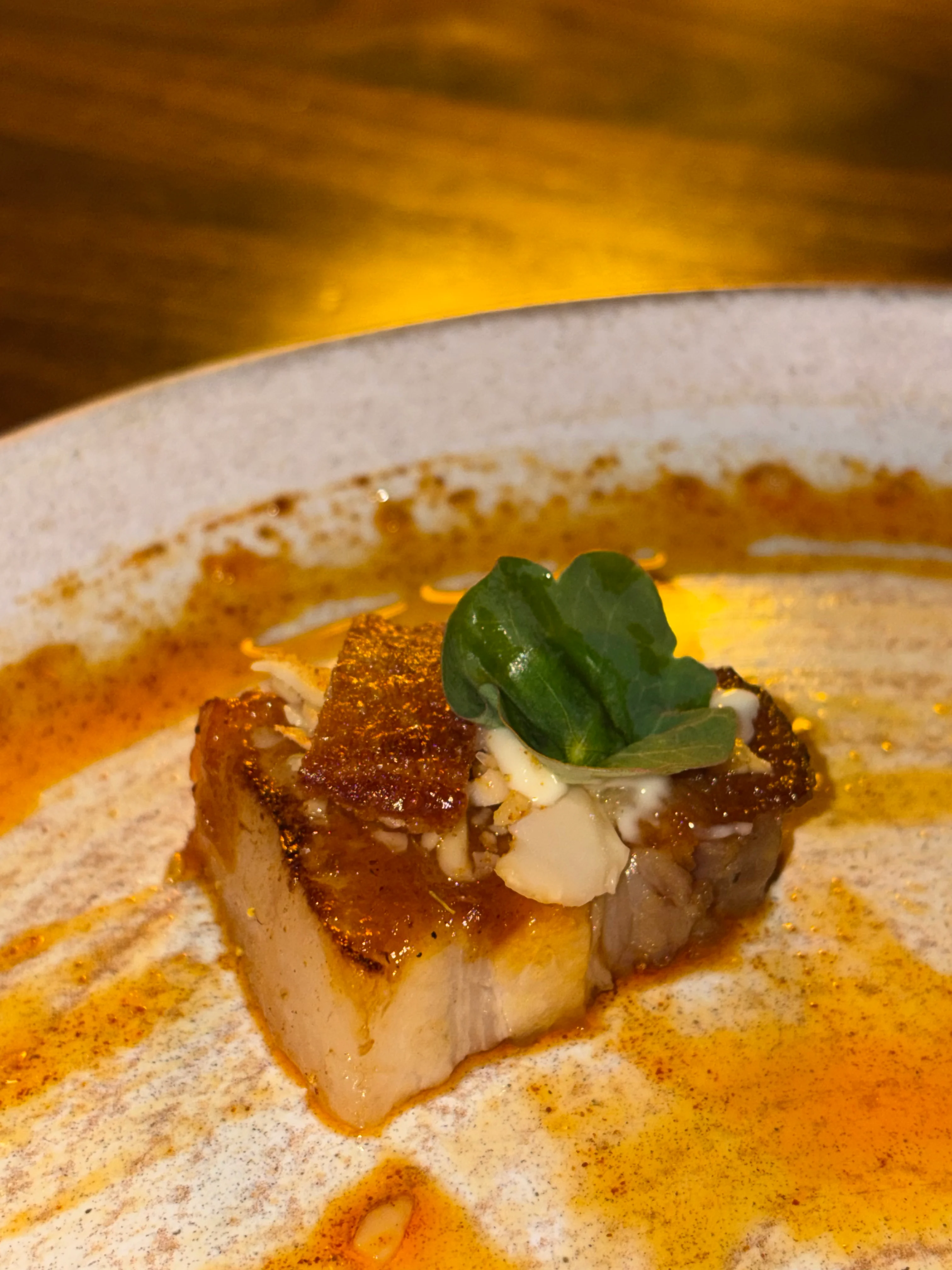
La Ceba bites with aioli and walnuts
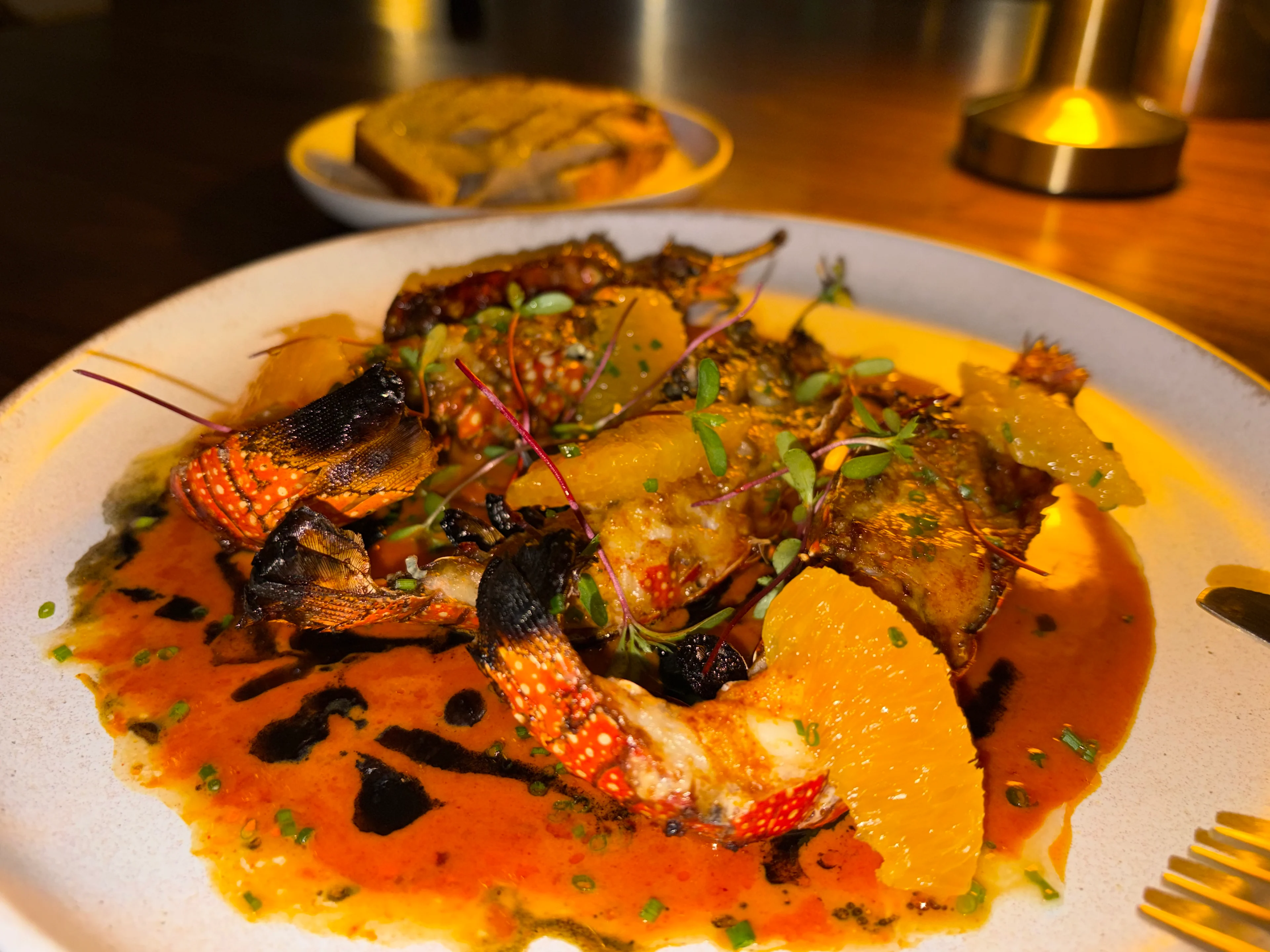
Fresh langostinos
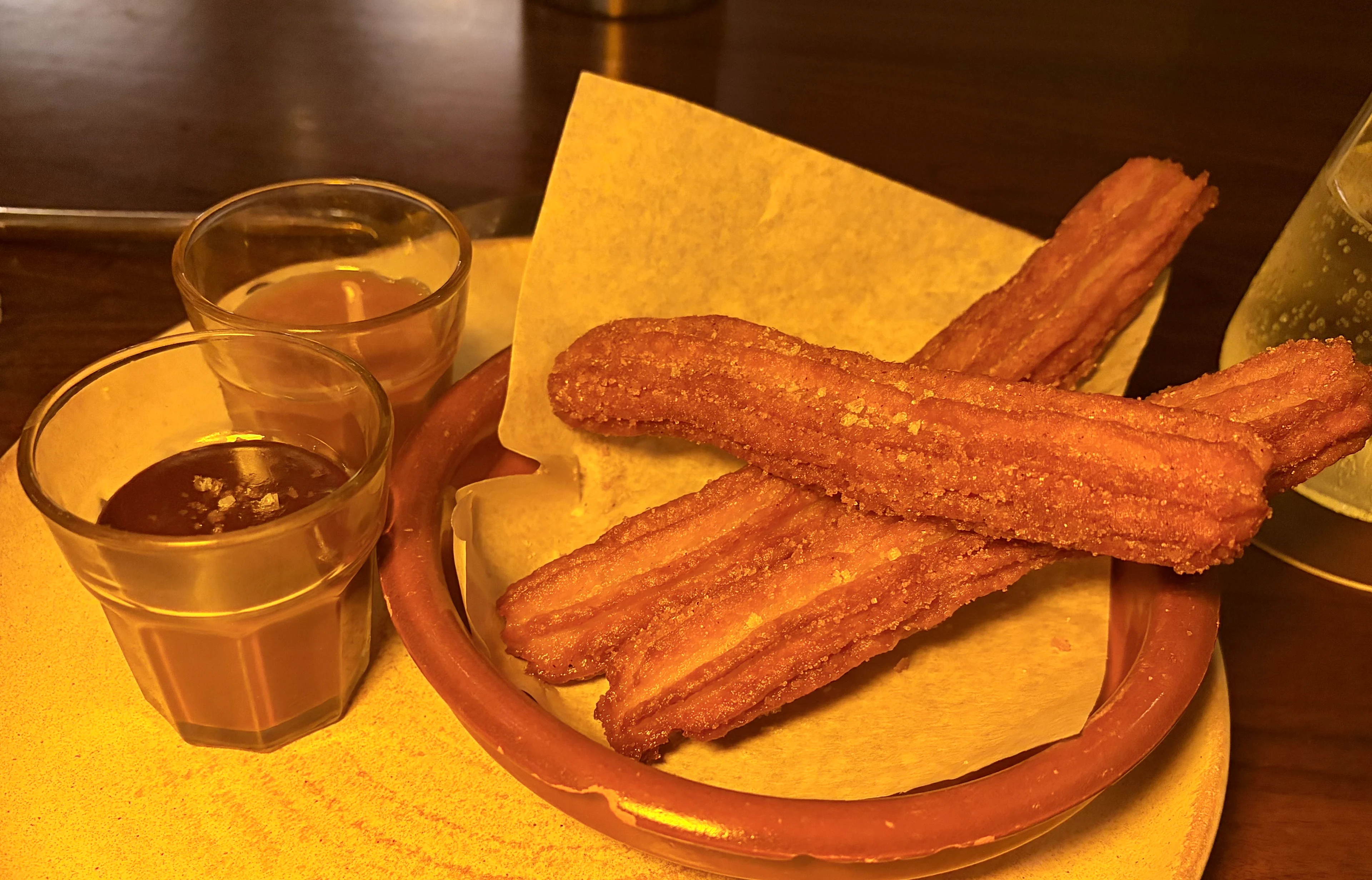
Churros de Andaluz with chocolate and caramel
Cataño sea bass crudo with local carambolas: Fresh without being too cold or numbing the palate, this crudo is served with generous slices of fish. It comes over an aguachile with local carambolas that add sweetness, cut at just the right moment by the citrus note of cucumber.
Local squash toast: sweet, salty, spicy and crunchy all at once. The bread is sourdough from Panadería Clandestina, in Old San Juan, and the whipped fresh cheese comes from Vaca Negra, in Hatillo. The squash, also local, becomes the base of a play on textures: seeds coated in paprika provide the heat, and the greens, bread and cheese finish assembling a bite that feels different every time.
Chicharrones from La Ceba: the pork arrives at just the right point of caramelization, golden on the outside, tender on the inside, crispy and juicy at the same time. On top of the cut, an aioli adds citrus notes, while walnuts contribute the texture that rounds out the dish.
Island langostinos: cooked to perfection, buttery without feeling greasy, with the smoky flavor that only the grill and the freshness of the day's catch can deliver. This is a dish where the quality of the product shines.
Churros: crispy on the outside, warm and soft on the inside, served with chocolate and caramel dipping sauces. The dish is completed by a mamey ice cream from the countryside that arrives just in time to refresh the palate.
Special nights
In addition to the regular menu, Andaluz offers themed nights for those looking for a different experience, whether for a casual date or a spontaneous weeknight plan.
Thursdays and Sundays, Bites and Sips: you can choose four tapas from eight menu options, paired with a glass of wine, all for $25. Each additional glass costs $9.
Wednesdays, 2x1 on bubbles: ideal if you want to extend the night without letting the sparkling wine become the main expense.
Fridays, endless wine: an unlimited wine special for two hours for $45, designed to close out the workweek with the tapas culture that defines Spain.
The future of the kitchen. For Álvarez, Puerto Rico has only begun to show its gastronomic potential. Convinced of this, he takes part in initiatives such as the Consorcio de Acuicultura, organized by the Academia Puertorriqueña de Gastronomía (APUGA) and ISER Caribe, which explores how the seaweed growing in La Parguera can be incorporated into dishes.
"There is enormous potential for growth," he says, convinced that the Island already has raw ingredients capable of competing in any international setting.
The products here are high quality, and the people who work the land and its produce do so with great care
Yet that confidence does not come from a business plan. It comes from a much smaller kitchen, his grandmother's. "My grandmother taught me how to make my first arroz con pollo, my first habichuelas...," the chef recalls.
Álvarez sums up the origin of it all this way: "I think getting into the kitchen with my grandmother was what brought me to fall in love with cooking."
This content was translated with the assistance of Artificial Intelligence (AI).