Sign up free here for the Platea newsletter to receive more housing resources, property listings for sale, events in Puerto Rico and much more.
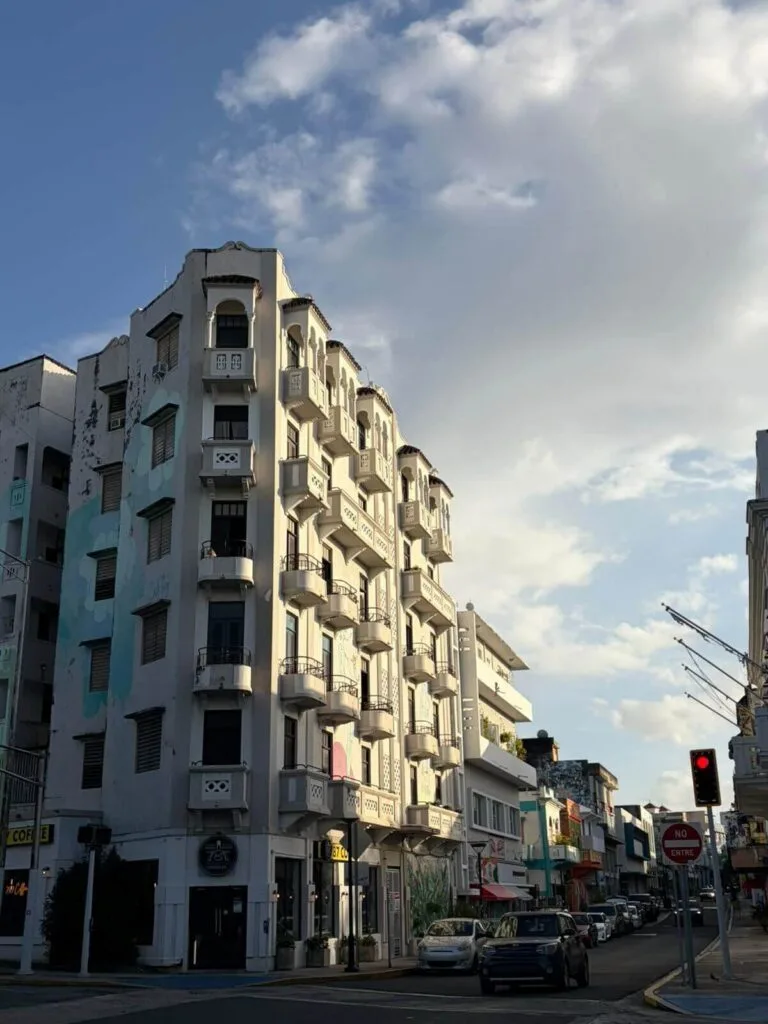
What's happening? Nine residents of building 1001 on Avenida Ponce de León, in Río Piedras, joined together to create the Cooperativa de Vivienda La Torre de Sofía with the intention of buying the property where they live, transforming its management and reducing rent payments. They are looking to become a housing option for university students, since the building is steps from the Universidad de Puerto Rico (UPR) in Río Piedras.
Now, they are raising funds and working to apply for a mortgage loan to buy the building and convert it into a housing cooperative. The goal is for the Fondo de Inversión y Desarrollo Cooperativo (Fidecoop) to grant them the multimillion-dollar loan.
With the "CooPari" they held on May 23, they raised about $10,000 and more than 500 people took part. "It was a massive success. It exceeded all our expectations… The idea is to do it every year," Marina Pineda, vice president and founding member of the Cooperativa de Vivienda La Torre de Sofía, told Platea.
Why does it matter? This would be the first housing cooperative created in Puerto Rico in more than 30 years. It would join the 13 housing cooperatives that exist and operate on the island, providing an affordable housing option to about 4,000 families in several towns in the metropolitan area and Ponce, through a nonprofit model focused on community living.
"Since 1992, no housing cooperative has been incorporated in Puerto Rico. And more than a cooperative, it is a more innovative model. It is for students, it is meant to be accessible housing for students," said Pineda.
In addition to La Torre de Sofía, another collective is looking to follow this model. That is La Futura Rosario, "the first housing cooperative for the LBGTTIAQ+ community in Puerto Rico."
What is a housing cooperative?
A cooperative is an association formed by a group of members who come together around a common goal in an economic activity.
In the case of housing cooperatives, "they are those dedicated to the administration, purchase, construction, sale, rental and any other activity related to housing and community living," as defined by chapter 35 of Ley 239 de 2004, the Ley General de Sociedades Cooperativas de Puerto Rico, which is devoted specifically to this type of cooperative.
They operate with a board of directors and have an administrator. Decisions are made democratically in assemblies among all resident members.
It is a model that arrived in Puerto Rico in the 19th century and gained momentum in the 1970s, when most of the housing cooperatives that are currently active in Puerto Rico were created, supported by the Administración de Fomento Cooperativo, which today is the Comisión de Desarrollo Cooperativo (CDCoop), Iván Otero, president of the Liga de Cooperativas de Puerto Rico, explained to Platea. The Liga de Cooperativas de Puerto Rico is the body that brings together all cooperatives across three branches: savings and credit, housing, and various types (such as labor, youth, insurance and others).
"In general terms, the government supported the cooperative creation process, backed at the time by the federal Department of Housing (HUD), which collateralized (offered a valuable asset as a guarantee) those loans so that financial institutions could provide that financing," said Otero. The purpose was to address "the housing need" with a multifamily unit model.
For that reason, in the beginning, many had apartments in the federal Section 8 program and also income limits for residents.
Oversight. Housing cooperatives operate under the public policy of CDCoop, which handles the incorporation of new cooperatives and provides technical and educational guidance. They are also governed by the Corporación Pública para la Supervisión y Seguro de Cooperativas (COSSEC), which monitors and oversees financial health, ensuring transparency in the use and management of funds.
🏡 Our Housing coverage







How does a housing cooperative differ from a private building?
In a housing cooperative, the property belongs to the members or to the cooperative, which operates as a nonprofit entity, and decisions are made democratically among all residents.
What members pay is not to generate profit but to cover the property's expenses, common areas, repairs and other costs.
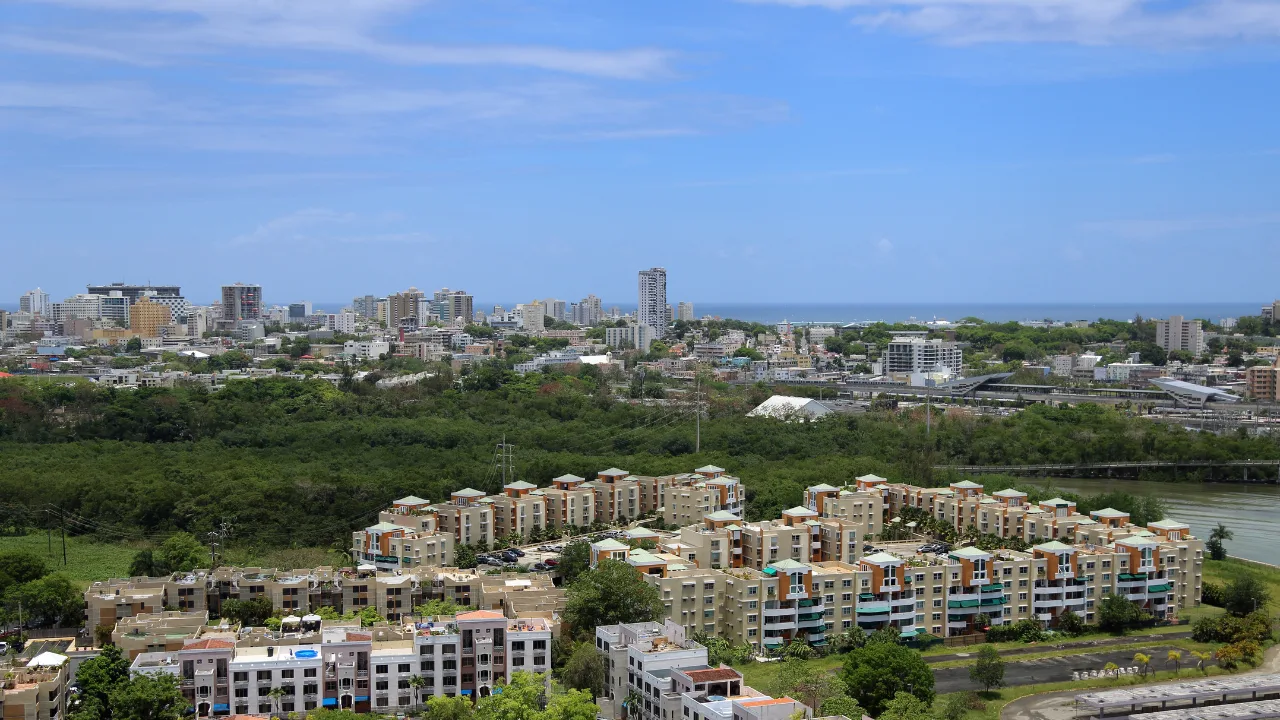
Because of this, in some of these housing cooperatives with prime locations in the metropolitan area, residents pay between $300 and $600 for one- to three-bedroom apartments, with amenities such as indoor courts, gardens, a children's yard, laundry facilities and more. Most are buildings, and the amenities, prices and benefits vary from one to another.

The case of La Torre de Sofía in Río Piedras
Cooperativa de Vivienda La Torre de Sofía is the most recently formed cooperative of this type, incorporated in 2025. It was created in response to rising rents following a change in building ownership.
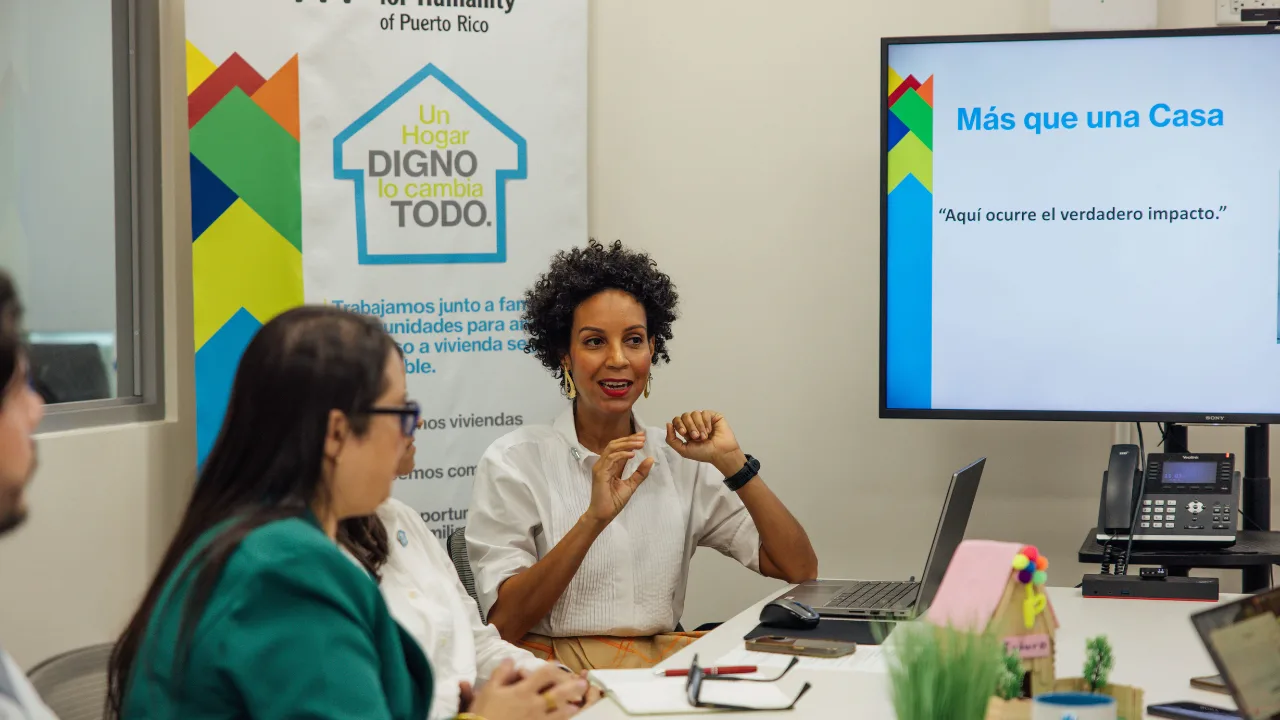
The master's student explained that one of the residents was studying cooperativism and presented the model to the neighbors, who were then organized as a tenants' association. They decided to learn about it and try it, with the goal of buying the building and promoting affordable housing.
"We have received a lot of support from institutions such as the Liga (de Cooperativas), Fidecoop (el Fondo de Inversión y Desarrollo Cooperativo), the Instituto de Cooperativismo de la UPR and the UPR's Clínica de Asistencia Legal de Derecho as well. So that has honestly been key to forming the cooperative," said the cooperative's vice president.
Alejandro Tapia y Rivera, Old San Juan
Ciudad Universitaria, Trujillo Alto
El Alcázar, San Juan
Jardines de San Francisco, San Juan
Jardines de San Ignacio, San Juan
Jardines de Trujillo Alto, Trujillo Alto
Jardines de Valencia, San Juan
La Ceiba, Ponce
La Hacienda, Bayamón
Los Robles, San Juan
Rolling Hills, Carolina
Torres de Carolina, Carolina
Villas de Navarra, Bayamón
*List provided by Iván Otero, president of the Liga de Cooperativas
How would this housing cooperative be financed and how would it work?
Unlike other housing cooperatives in Puerto Rico that began as jointly owned and with federal government financing and state support, La Torre de Sofía is seeking to purchase the building, currently valued at $2.7 million, through a combination of:
a mortgage loan,
donations,
fundraising activities,
and possible outside assistance.
According to Pineda, they are already "in communication" with the owners, who "have been very open to us buying the building." Depending on the mortgage loan they secure and the expenses involved, rent prices will be determined, but they hope they can be affordable, especially for university students.
They are looking to Fidecoop "to see if full financing for the building can be achieved," though they are still in a negotiation process and do not yet know what the final financing will be.
They sought government support through the Departamento de la Vivienda, "but they don't have any programs or funds available right now to help us with the purchase."
With what has been raised at the CooPari, they hope it will cover closing costs and other services they have contracted. The Centro para la Reconstrucción del Hábitat (CRH) also joined to advise them on the legal side of the purchase process.
Events. The collective plans to make CooPari an annual event for the benefit of the Río Piedras community, given the support received and the interest many young people have shown in joining a similar housing model, Pineda said.
For months, they have been holding yoga classes to continue fundraising and are planning to add other types of events that also bring the community together. "Right now we're designing a T-shirt to sell," Pineda said of other initiatives.
Next steps. The cooperativists' goal is to acquire the building within the next six months, Pineda said. After the purchase, the regulations and structure of the housing cooperative would be established.
A building manager would also be hired to handle day-to-day matters.
How it works. The expectation is that it will function as a joint cooperative but remain limited to nine members. The rest of the tower's residents would be "tenant members," who would participate in assemblies but would not be permanent residents, rotating instead.
"It's a fairly new model, they would be tenant members. So we're still working out how the assembly process would function, because we want that to remain, that decisions, as cooperativism calls for, are made collectively. But since we want this to be for students and we want it to be more of a rotation so there's always affordable housing," she explained.
It has not yet been decided how much the tenants' initial contribution would be, something that would also be determined after the building is acquired.
How many types of housing cooperative are there?
There are two types of housing cooperative on the Island: joint cooperatives and title cooperatives. There is also a third model that combines the two, known as mixed.
1. Joint housing cooperatives:
The building belongs to the cooperative as a corporation, and resident members do not hold deeds to their apartments. Instead, they own an equity share that gives them the right of use and occupancy for life.
"In the joint cooperative there is no individual ownership. We all own everything, and you have a right, an individual right, to live in the unit as long as you comply with its regulations," Otero explained.
It is the historic model with which all cooperatives in Puerto Rico began, thanks to early government support and HUD financing for property acquisition.
How it works. Members pay for an equity share, which originally could be as low as $50, and then a monthly fee covering building expenses and the collective mortgage payment, Otero explained. Today, an equity share can cost around $10,000, which is returned if you leave the building, plus a monthly payment of $300-$600 to live there.
2. Title housing cooperatives
These developed after the loans issued by HUD were paid off over 30 or 40 years. In this type of housing cooperative, title members own their apartment, but the common areas are managed by the cooperative.
"Members have their property title, but at the same time all members jointly own the cooperative's common areas," and must follow the coexistence rules to remain in them, Otero noted.
How it works. After paying their initial equity share to become cooperative members and paying their monthly fee for years, members begin the process of obtaining property title. That title is granted in exchange for the equity they contributed, which in this case is not returned, along with the ongoing monthly expense payment.
They own the apartment but not the common areas, and must continue to comply with the coexistence rules.
3. Mixed housing cooperatives
Both associate members (without ownership title) and full members with title can live within the same complex.
Origins. The cooperative model emerged in 1844 in England, when 27 people in the town of Rochdale joined together to found the first consumer cooperative, as a response to low wages and high prices during the Industrial Revolution.
The first one in Puerto Rico was founded in 1873. It was called the Sociedad de Socorro Mutuo Los Amigos del Bien Público and offered medical services, medicine and nursing care to workers, widows, orphans and people with disabilities.
Cover photo: Cooperativa de Vivienda La Torre de Sofía in Río Piedras and its founding members. (Provided)
This content was translated with the assistance of Artificial Intelligence (AI).