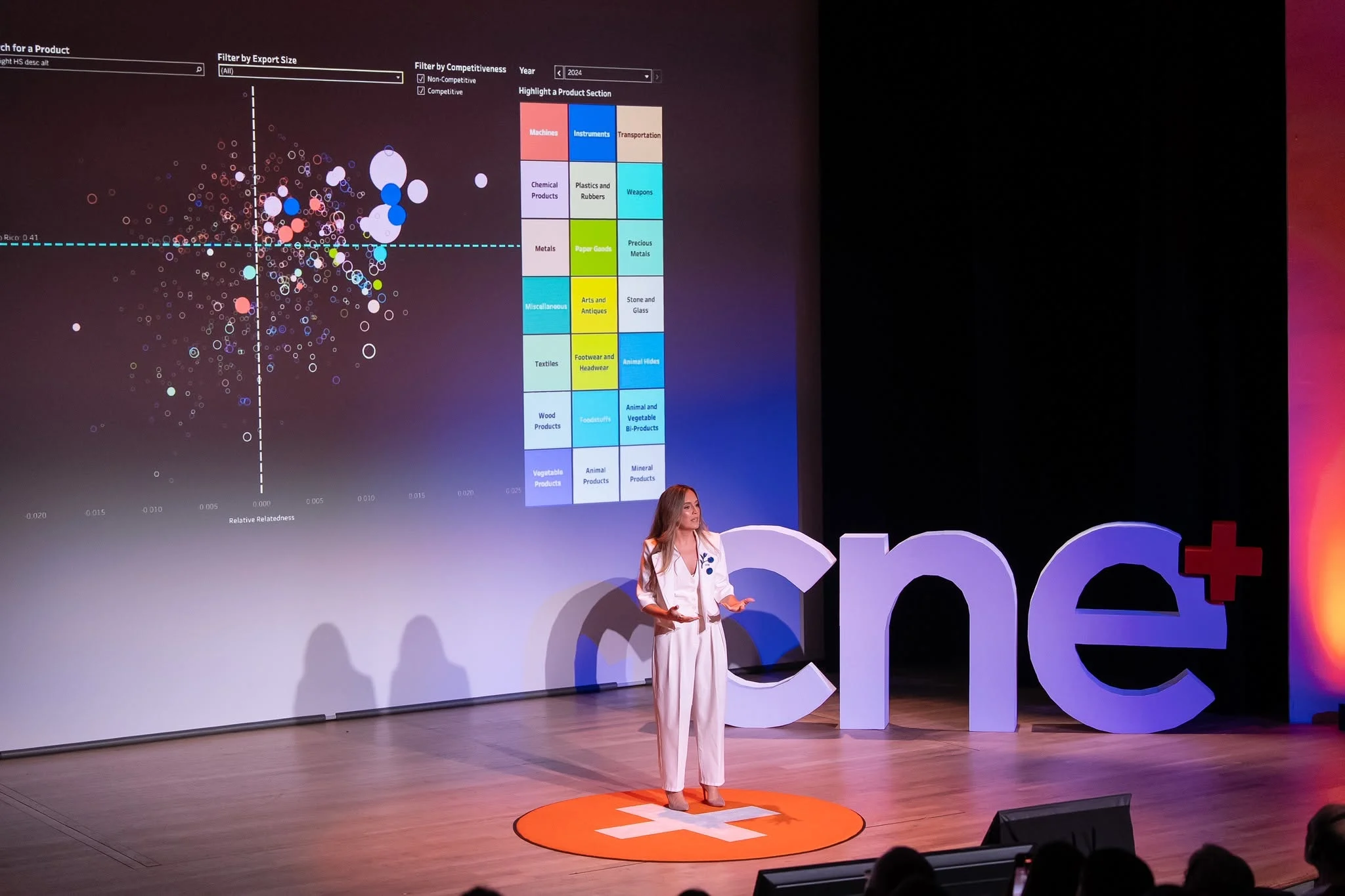
What does Puerto Rico know how to do, and what could it learn to do tomorrow? For the Center for a New Economy (CNE), answering those two questions with data can help define where the island's economy should grow.
"A new economy is possible," said CNE president Rosanna Torres Pizarro. But seeing that change requires "discipline, patience, collective will, commitment" and, above all, acting on evidence.
That argument was one of the main messages of Debí Estudiar Más Economía (DEME), a CNE event created to bring economics to the public in a clear and direct way, encourage socioeconomic change from a place of optimism, and discuss possible development paths for Puerto Rico.
Why does it matter? Puerto Rico already has specialized knowledge in sectors such as pharmaceuticals, manufacturing and services. The CNE's proposal is to identify those capabilities more precisely in order to determine which related industries could be developed competitively in the future.
"I want us to be a meeting point, a forum for healthy and productive debate, a clear and reliable source of information, and a reference for fair and effective public policy," Torres Pizarro said at DEME, held at the Museo de Arte de Puerto Rico in Santurce.

What does Puerto Rico know how to do?
"If we know precisely what Puerto Rico produces today, we can identify what Puerto Rico could produce competitively tomorrow," the CNE president explained, on the importance of answering the question: What does Puerto Rico know how to do?
According to the expert, 84% of Puerto Rico's exports are pharmaceutical and chemical products, a large share of them insulin and antibiotics. The Island also knows how to make and export hormones, orthopedic devices, dosed medications and more.
🔬$8 out of every $10 of what was exported in 2023 were pharmaceutical and chemical products.
💉 20% of the insulin exported worldwide leaves Puerto Rico.
💊 72% of sulfonamides (a type of antibiotic) exported from the United States are produced in Puerto Rico.
🇵🇷 Puerto Rico ranks ninth in economic complexity among all U.S. states and territories.
*Data presented at the Debí Estudiar Más Economía event, hosted by the CNE.
From that data, Torres Pizarro said, the question should not be limited to how to protect the industries that already exist, but rather: "Where do we expand?"
"Which sectors are compatible with our capabilities? Which alliances between local and global companies make strategic sense? Where can a dollar of private investment go further?" she added.
More from our What to Know coverage

Economic complexity: the wealth of an economy is what it knows how to do
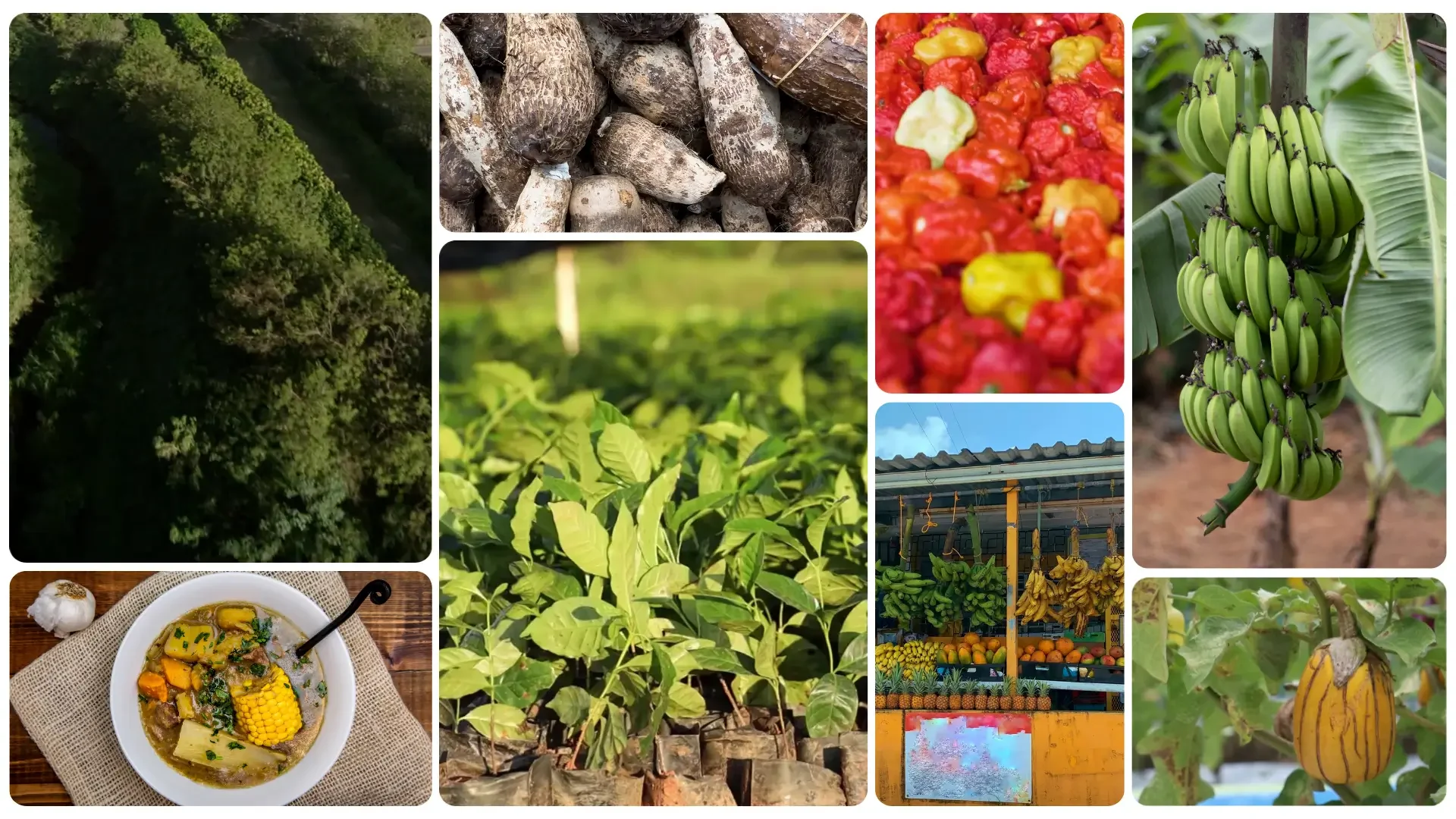
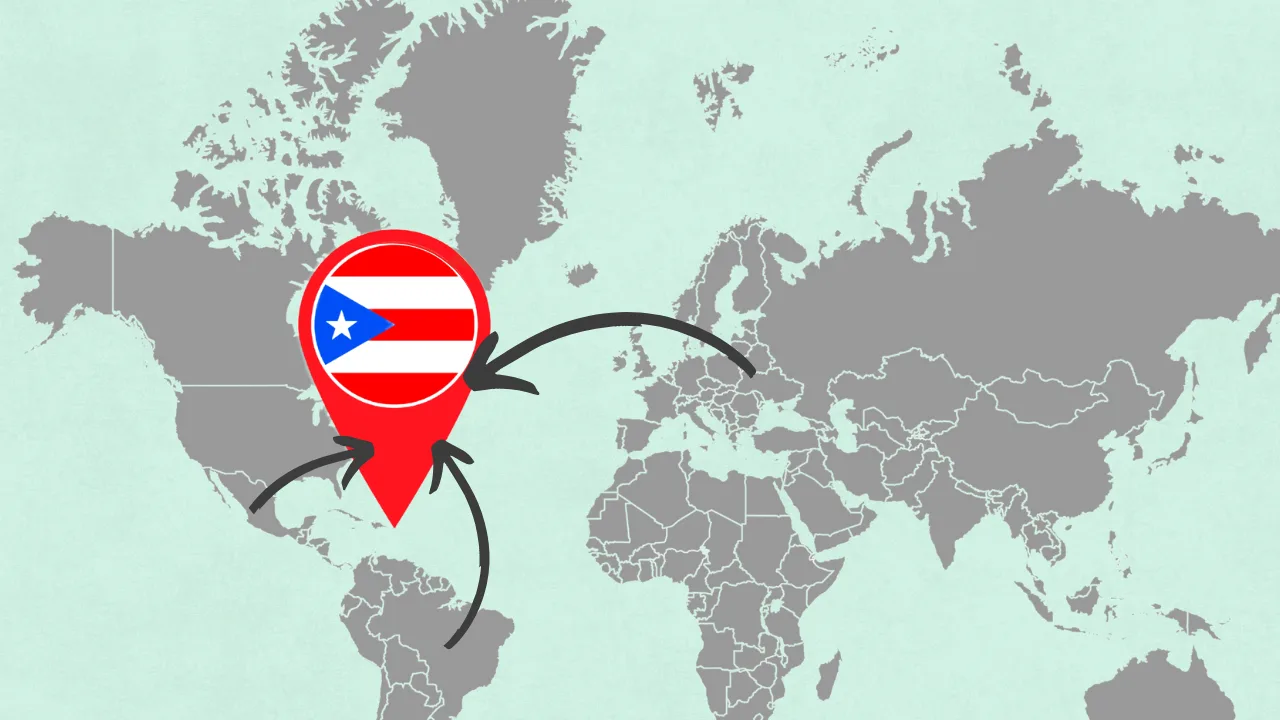
The proposal draws on the theory of economic complexity, a methodology that analyzes what an economy is capable of producing and exporting in order to estimate the knowledge and productive capabilities a country has accumulated. It was developed by researchers at Harvard and MIT and is now used by the World Bank, the European Commission and countries such as Mexico to build development strategies.
The CNE president explained the concept using the example of breakfast: making toast requires common skills, while making a croissant demands less widely held knowledge. At the same time, someone who knows how to make a croissant likely has skills that also allow them to make other similar products.
"That's why toast is cheap, but for a good croissant we pay more and even wait in line," she said.
Something similar happens in an economy: it is easier to develop industries that require capabilities close to those that already exist.
Torres Pizarro summed up the theory in three ideas:
The wealth of an economy "is what it knows how to do, its collective knowledge."
Economic development is a continuous learning process that includes "the accumulation of knowledge, innovation, business management, the adoption of new technologies and the development of institutions that allow us to learn to produce goods and services of greater value."
"It is much easier to learn to do something similar to what you already do."
Countries grow by learning to do new things.
The example of Japan
Torres Pizarro used Japan as an example of how a country can transform its productive capacity with discipline and data.
In the early 20th century, the "Made in Japan" label came to be associated with cheap, low-quality products, he explained. Decades later, companies like Toyota and Sony helped make it synonymous with quality and innovation.
How did that happen? In 1950, economist and statistician W. Edwards Deming arrived in Japan and promoted the idea that "quality is not inspected at the end of the assembly line, it is built into every step, using data." The Japanese took it seriously, began measuring, correcting and improving, and even created the Deming quality prize in 1950.
"If a country wants to, it can change its economic destiny, but it doesn't change it with slogans or overnight. It changes it with discipline, patience, collective will, commitment" and data, Torres Pizarro said.
Three companies that built on what they already had
At the event, three Puerto Rican entrepreneurs shared how they identified capabilities and opportunities within their own sectors.
🛒 Yaras Corp.: Spotting a need. The company started 26 years ago repairing shopping carts that were previously discarded. Today it manufactures them and exports to Florida and the Dominican Republic.
"We have kept nearly a million carts out of landfills," said Saray López, vice president of Yaras Corp. and Valero Inc.
📊 VIBRA: Understanding the market. To export technology services, the company had to identify what value it could offer and how that value was received outside of Puerto Rico.
"(You have to) identify what value I want to add to the industry and then understand what economic factors can present challenges or enable how we can deliver that value," explained Jesús Manuel Laboy, president of VIBRA, Inc.
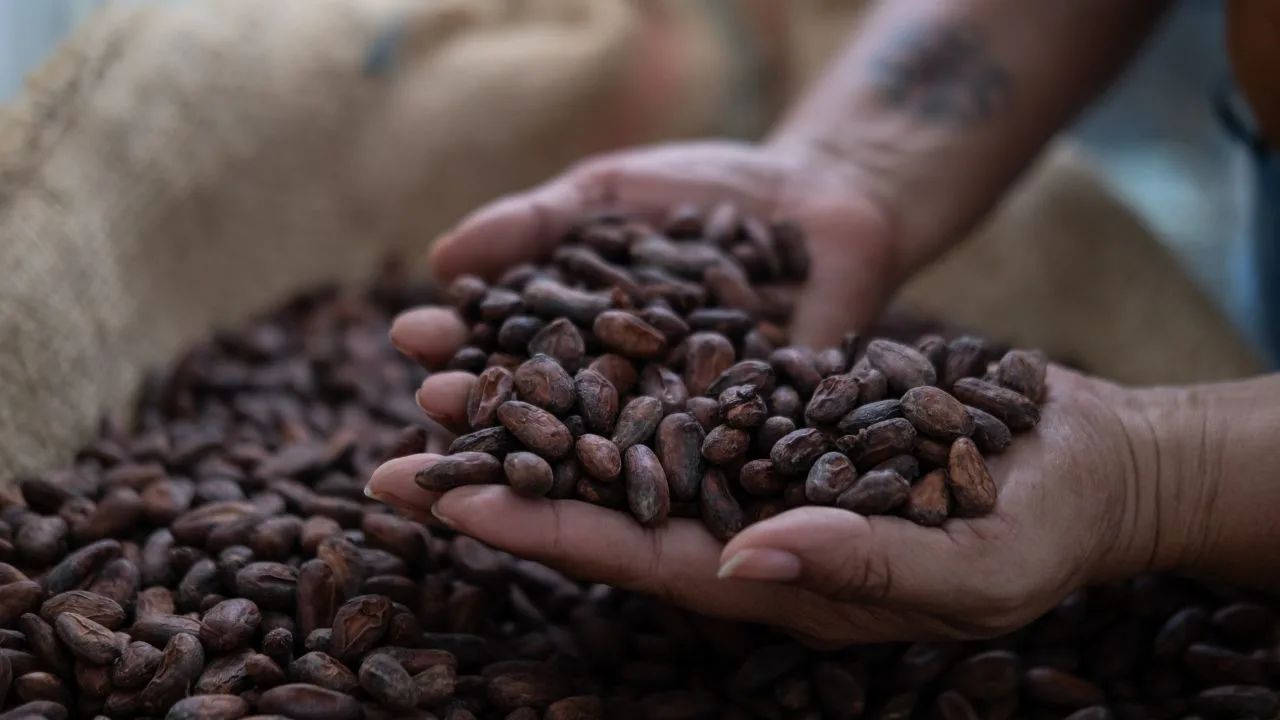
🍫 Hacienda Chocolat: Building step by step. The company went from producing cacao to developing agrotourism, acquiring machinery and making internationally awarded chocolate.
The question that has guided that process, according to its director of Operations, José Julián Rodríguez, is: "What do I have today and what do I need for tomorrow?" "We continue to actively solve the problems that come up," he said.
What does the Center for a New Economy propose?
For Torres Pizarro, Puerto Rico must move from making economic decisions in isolation to developing data-based strategies that help determine where to invest, which capabilities to strengthen and which sectors have growth potential.
He summed it up as moving from "policy on the fly to strategy with data."
The Center for a New Economy also urged the public to stay informed through independent studies, demand that the government use data in its decision-making and support organizations working on public policy.
The starting point, however, remains the same question: What does Puerto Rico know how to do today, and what can it learn to do tomorrow?
📚 Keep learning and educating yourself. "It is more important than ever to inform ourselves with studies that have a high level of independence and technical rigor," said the CNE president.
📊 Demand that those who govern use data to govern. It is not just about asking them to use data: "demand that your government use it in its decision-making, and use it yourselves to understand what opportunities exist to grow and diversify," said Torres Pizarro.
🤝 "Support local organizations like the CNE." And other entities that promote a better country for people.
This content was translated with the assistance of Artificial Intelligence (AI).