It is the highest number of birds since the species recovery program began in 1973.
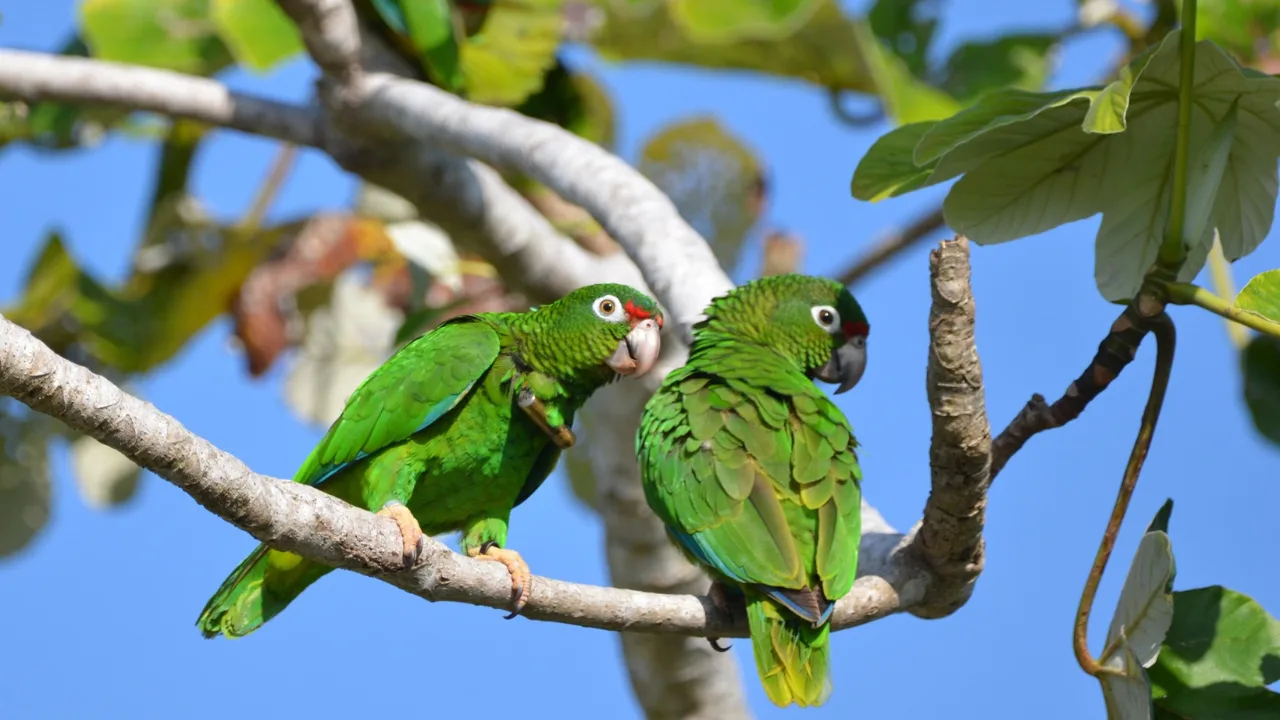
The wild population of Puerto Rican parrots in El Yunque National Forest has reached a historic count of 75 to 80 individuals, the highest number in this tropical forest since the species recovery program began in 1973.
The news was reported by the Caribbean Ecological Services Field Office, part of the federal U.S. Fish and Wildlife Service (USFWS), in a post on its Facebook page.
Here is what this milestone means and where the recovery process for the Puerto Rican parrot, an endangered species, currently stands.
Parrots released in January are still alive
The count of 75-80 wild Puerto Rican parrots was reached after 32 birds were released in January. The birds had been raised in captivity at Aviario Iguaca, one of two aviaries that breed parrots in captivity in Puerto Rico. Iguaca is the name the Taíno gave the Puerto Rican parrot, a species declared endangered in 1967.
According to the Caribbean Ecological Services Field Office, one month later the birds "are alive and well, and are fully integrating into the wild flock at the USFWS Iguaca Aviary release site, located in El Yunque National Forest."
"With this new addition of parrots to the wild, the current wild population of endangered Puerto Rican parrots at El Yunque has reached a historic level of 75-80 individuals, the highest number of wild parrots at El Yunque since the beginning of the species recovery program in 1973!"
Facebook post by the Caribbean Ecological Services Field Office, part of the USFWS
The agency also reported that the apparent formation of new wild pairs is "encouraging." Those pairs are entering nests and nesting cavities ahead of the 2025 breeding season.
How many Puerto Rican parrots are there in Puerto Rico?
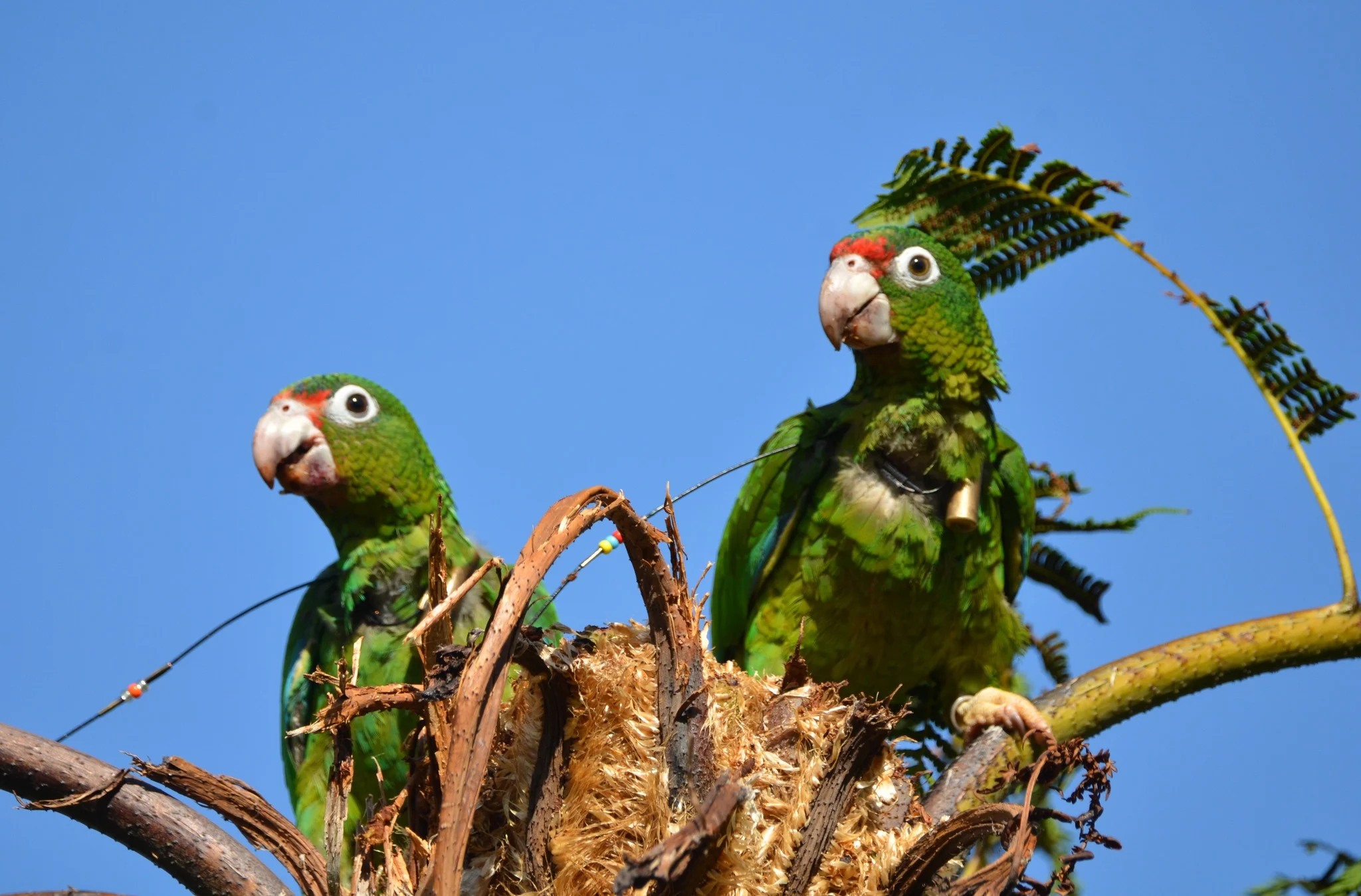
Wild Puerto Rican parrot populations currently exist in three forests: El Yunque National Forest (Río Grande and Luquillo), Bosque Estatal de Maricao and Bosque Estatal Río Abajo (Arecibo and Utuado). The USFWS oversees the populations in the first two forests, while the Departamento de Recursos Naturales y Ambientales (DRNA) is responsible for the third, though both agencies collaborate on recovery efforts.
*The count includes the 70 chicks reported in 2024 at Río Abajo. In these cases, official counts do not usually include chicks because it is unknown whether they will survive.
In addition to the 75-80 wild individuals at El Yunque National Forest, Aviario Iguaca holds more than 180 Puerto Rican parrots in captivity, many of them being prepared for eventual release in one of the three forests.
Add to that the roughly 75 wild Puerto Rican parrots at Bosque Estatal de Maricao and the just over 300 found in the wild at Bosque Estatal de Río Abajo.
There are also about 200 additional birds raised in captivity at Aviario José L. Vivaldi, in Río Abajo, the second aviary within the parrot recovery project.
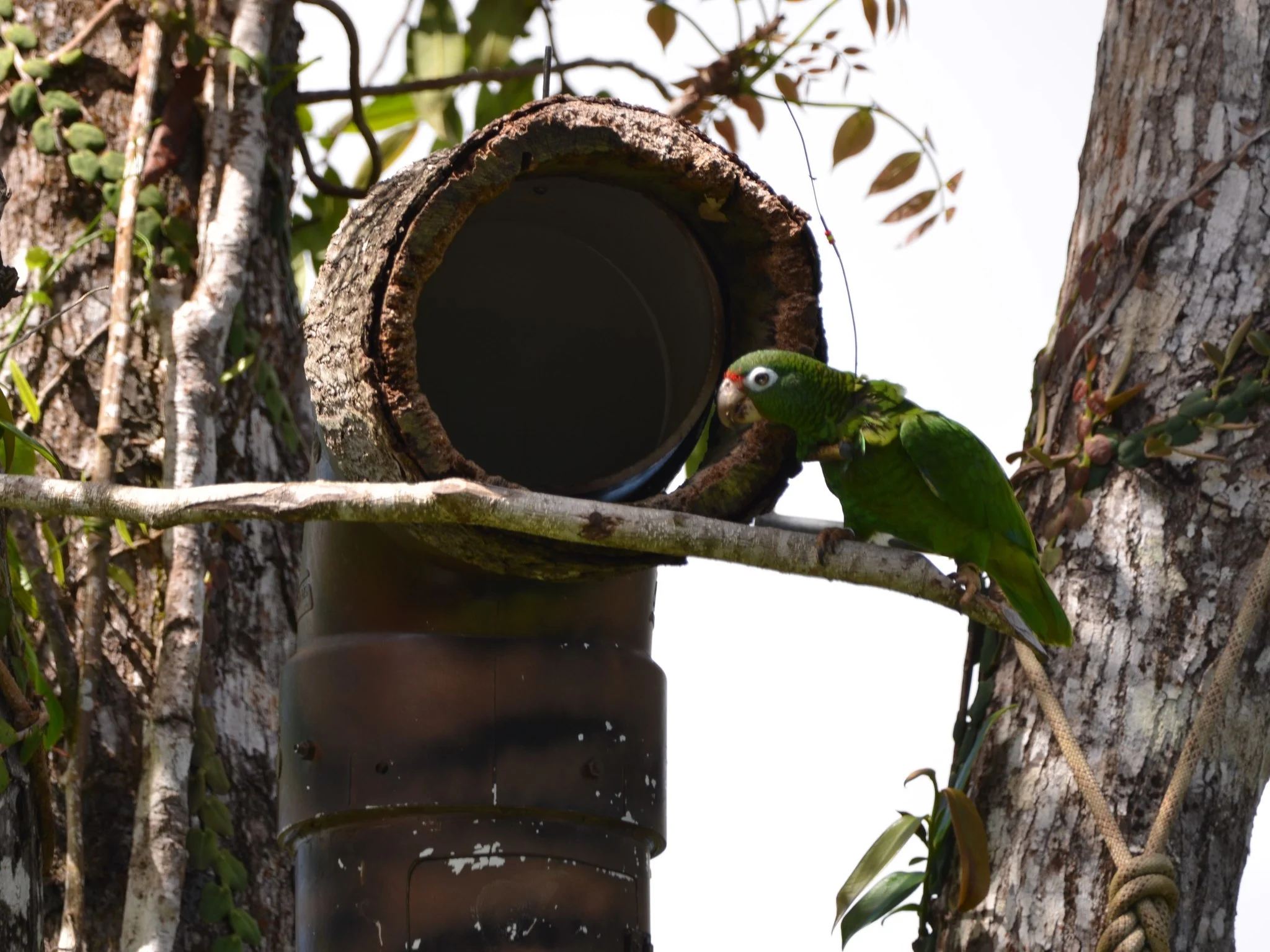
The Puerto Rican parrot: one of 19 endemic birds
The Puerto Rican parrot is one of the 19 birds endemic to Puerto Rico, and the only one listed as critically endangered. Federal government recovery efforts have been central to the species' survival. It is considered the only parrot endemic to the United States.
The most recent birds added to the list of 19 endemic species were the zumbador dorado (2022) and the jilguero de Puerto Rico (2023).
The list also includes two other endemic birds listed as endangered: the mariquita de Puerto Rico and the reinita de bosque enana. This means these species face a high risk of extinction in the wild, according to the Red List of the International Union for Conservation of Nature (IUCN).
Three others are in a vulnerable state: the comeñame, the llorosa puertorriqueña and the guabairo de Puerto Rico.
This content was translated with the assistance of Artificial Intelligence (AI).