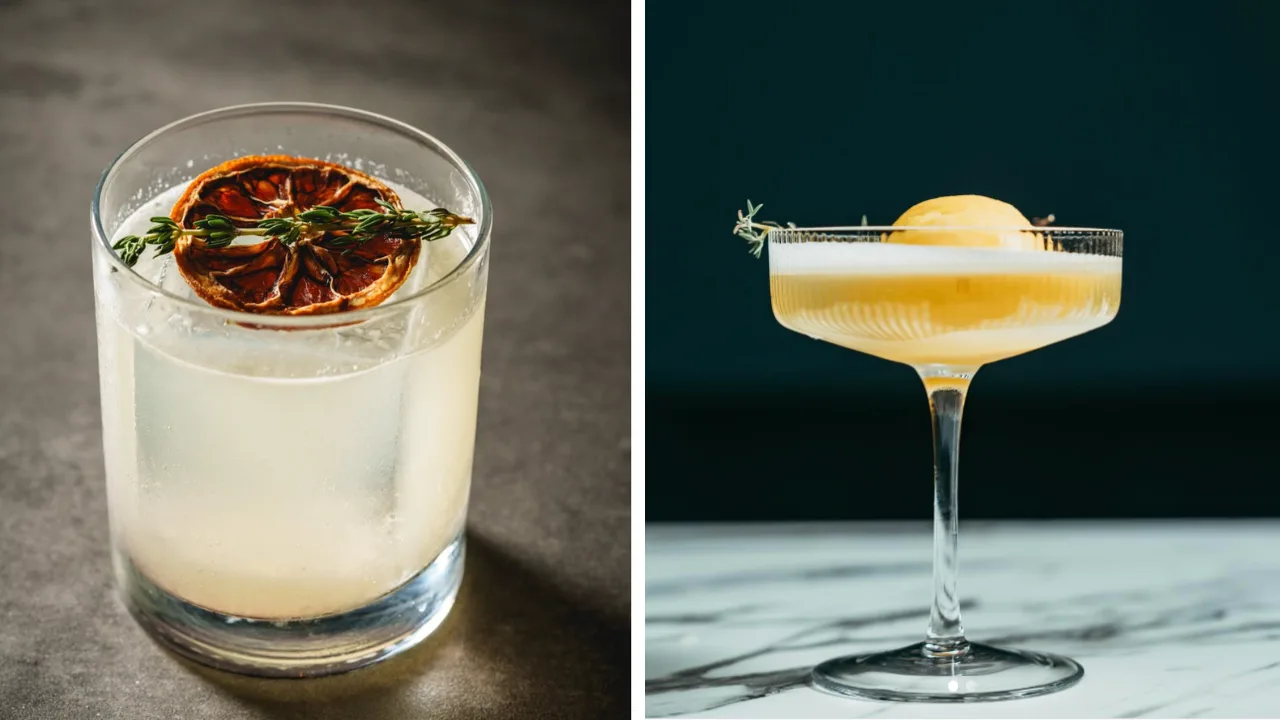
Mezcal has gone from an occasional accent to a permanent fixture on cocktail menus in Puerto Rico. Every bar puts its own spin on it: with tomato from Jayuya, with hibiscus flower, with cabernet wine floating on top, or as the main ingredient across nearly the whole menu.
We take you to eight spots in the metro area where ordering a mezcal cocktail comes with a story.
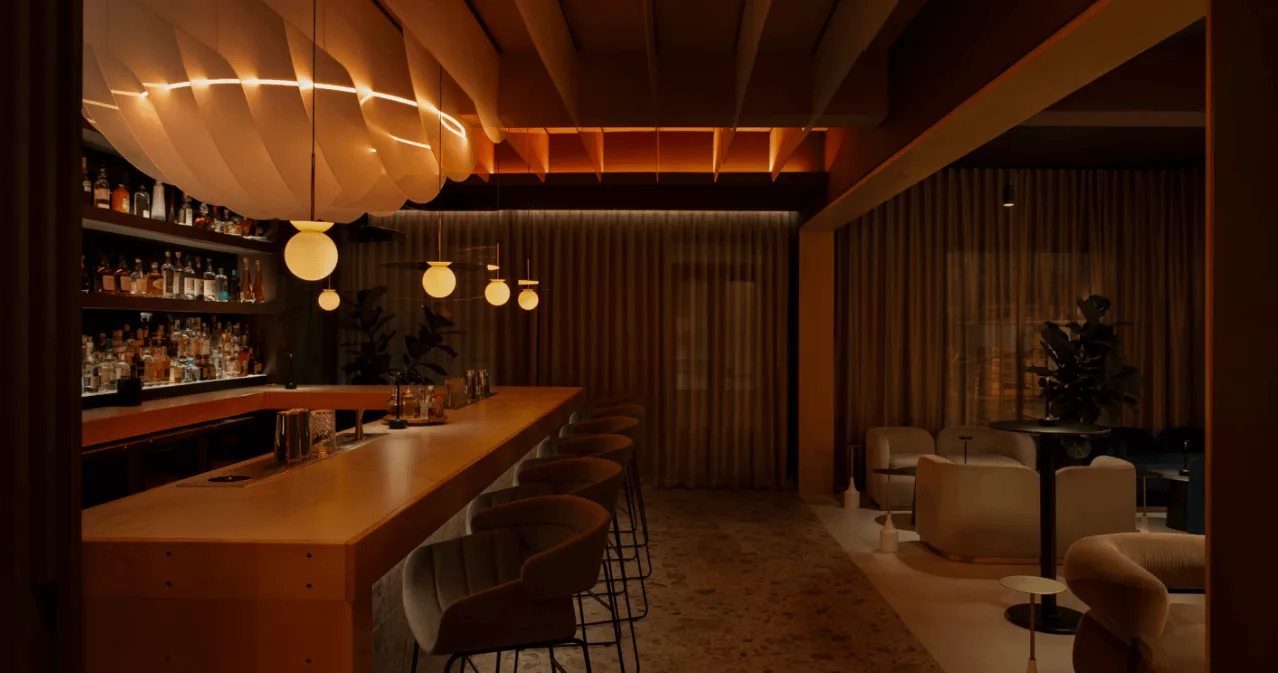
At Aurora, the gastrobar on Calle Cerra, executive mixologist Derek Champlin Ayala built a cocktail inspired by his hometown: Jayuya, known as the Pueblo del Tomate.
El Huerto combines mezcal Bahnez, cucumber cordial, St. Germain liqueur and lime juice with tomato in three forms. It carries tomato water with fennel air (foam) over the glass, drops of brine for a vinegary note, and a pickled cherry tomato at the bottom. Champlin Ayala describes it as light and umami, without the heaviness of a Bloody Mary.
Keep in mind. Aurora admits only guests 23 and older and operates with a dress code (no caps, shorts or flip-flops). Cocktails range from $13 to $17.
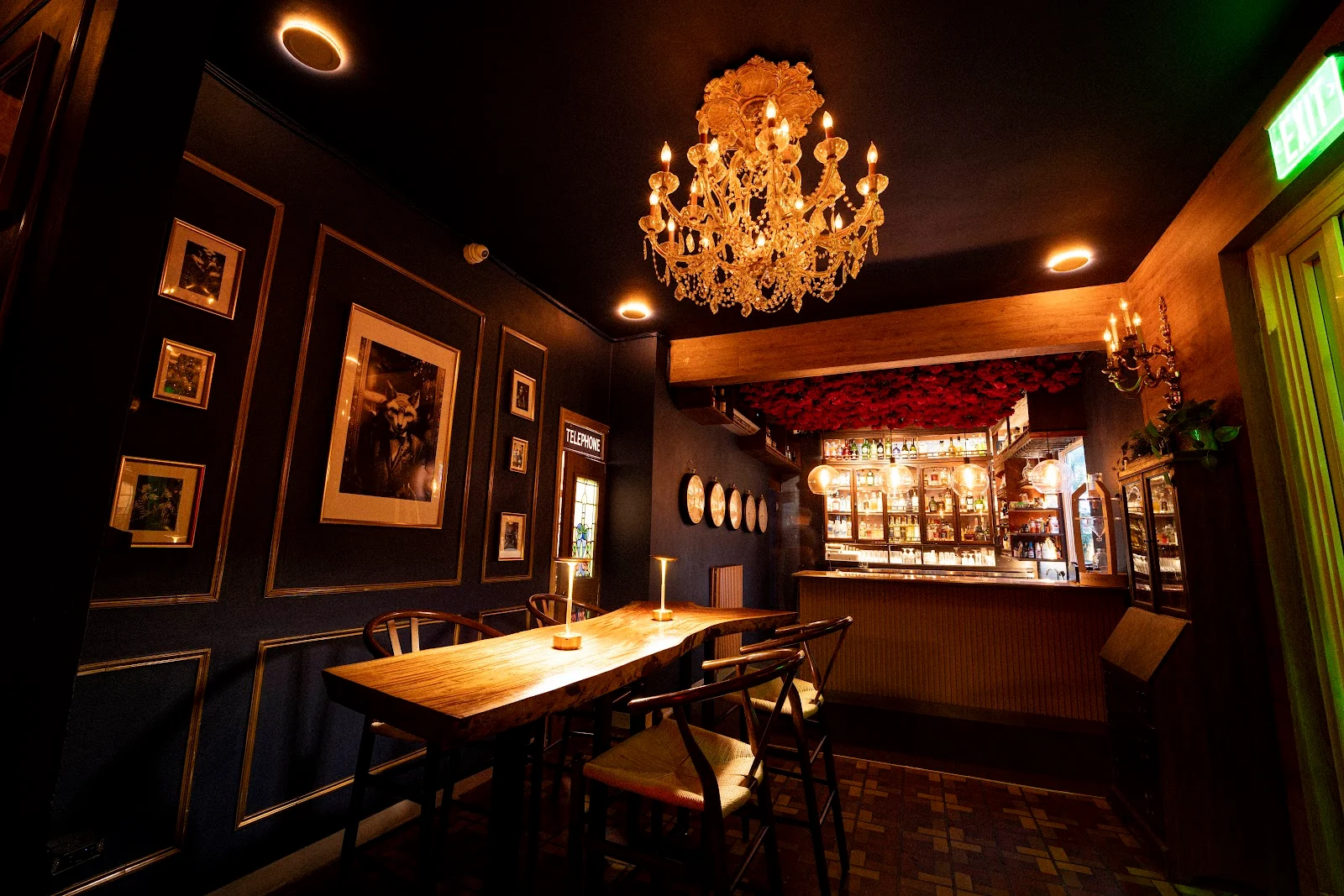
Furtivo is a speakeasy on Calle Loíza with 1920s décor, recalling the era when alcohol prohibition reached Puerto Rico before it reached the United States.
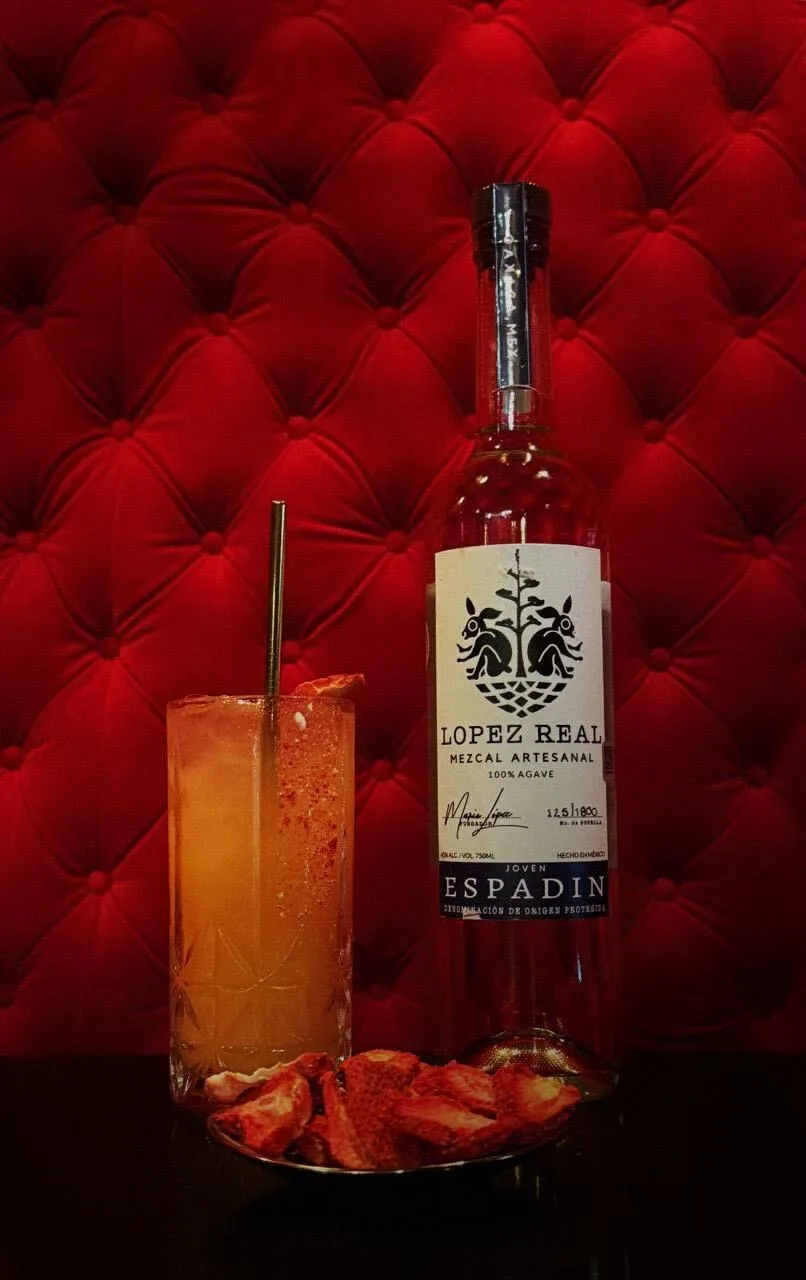
Its Smoky Pigeon cocktail is inspired by the classic paloma, with tropical elements. It contains smoky mezcal López Real Espadín, grapefruit soda and a rosso vermouth reduction with strawberries. Bar owner Wilfredo Torres recommends it for anyone who wants to enter the world of mezcal without something heavy on the palate.
Bonus. Furtivo holds specialized tastings twice a month. The most recent, Rituales del Agave: Oaxaca & Guerrero, included six mezcals from the brands López Real (Oaxaca) and Rayo Seco (Guerrero) alongside Mexican pairings. The calendar is announced on their website.
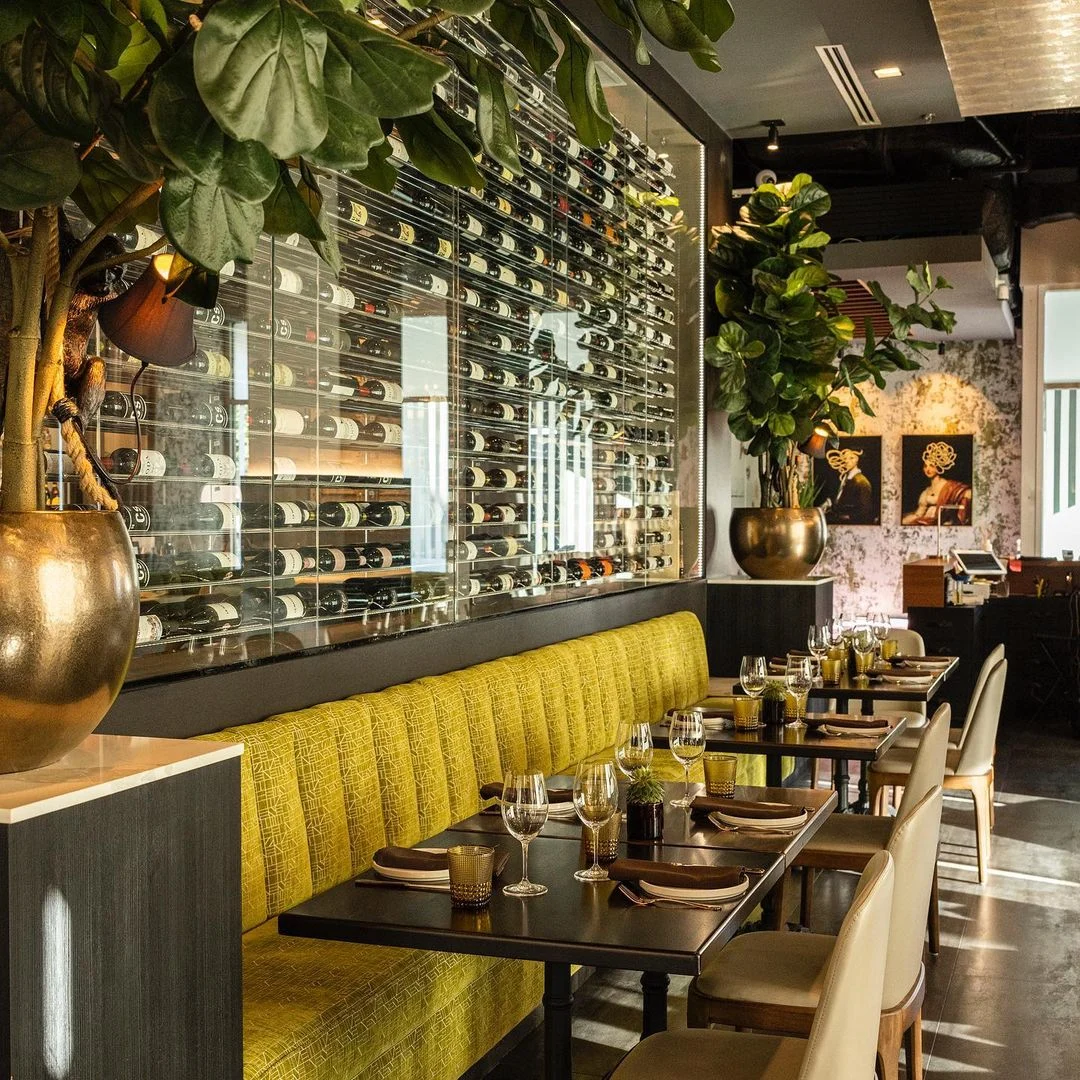
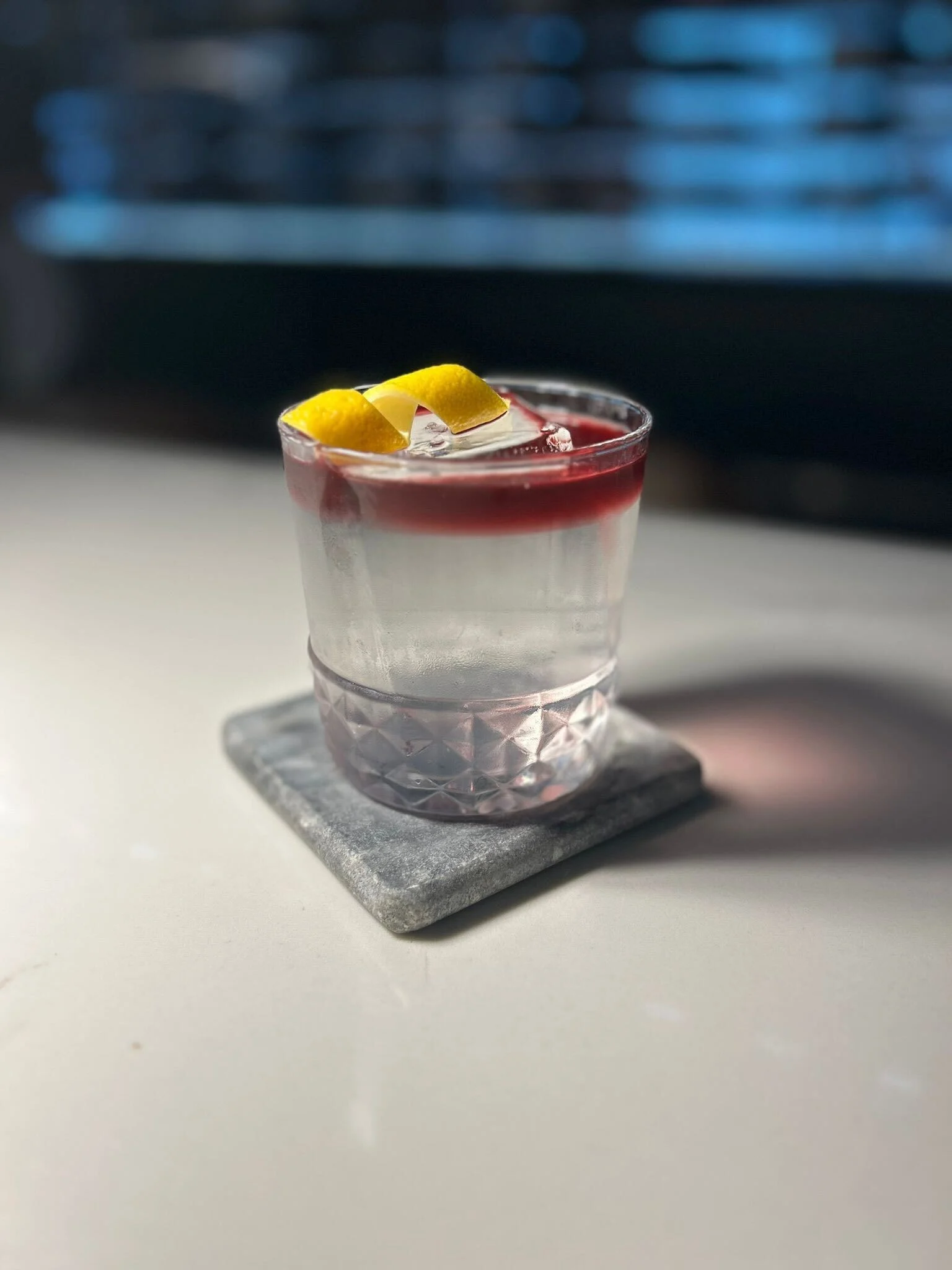
El Pistolero is the most recent cocktail to join the permanent menu at La Pícara by Chef Xiomy. Head bartender Luis Nieves created it for his run as a finalist in the Bartist Bar Skills Challenge, inspired by the New York Sour.
The recipe combines mezcal with a floating layer of cabernet wine, a clarified lime base, simple syrup and spice and allspice bitters. The name carries a double personal meaning. On one hand, it is a tribute to his mother, a cabernet grape fan. On the other, it comes from the nickname the industry gave him for his finger-gun gestures between rounds.
Nieves describes it as citrusy, with astringency, a smoky profile and some sweetness. It pairs with red cuts like filet mignon with mushroom cream and with raw preparations like the edible spoon of tuna tartar.
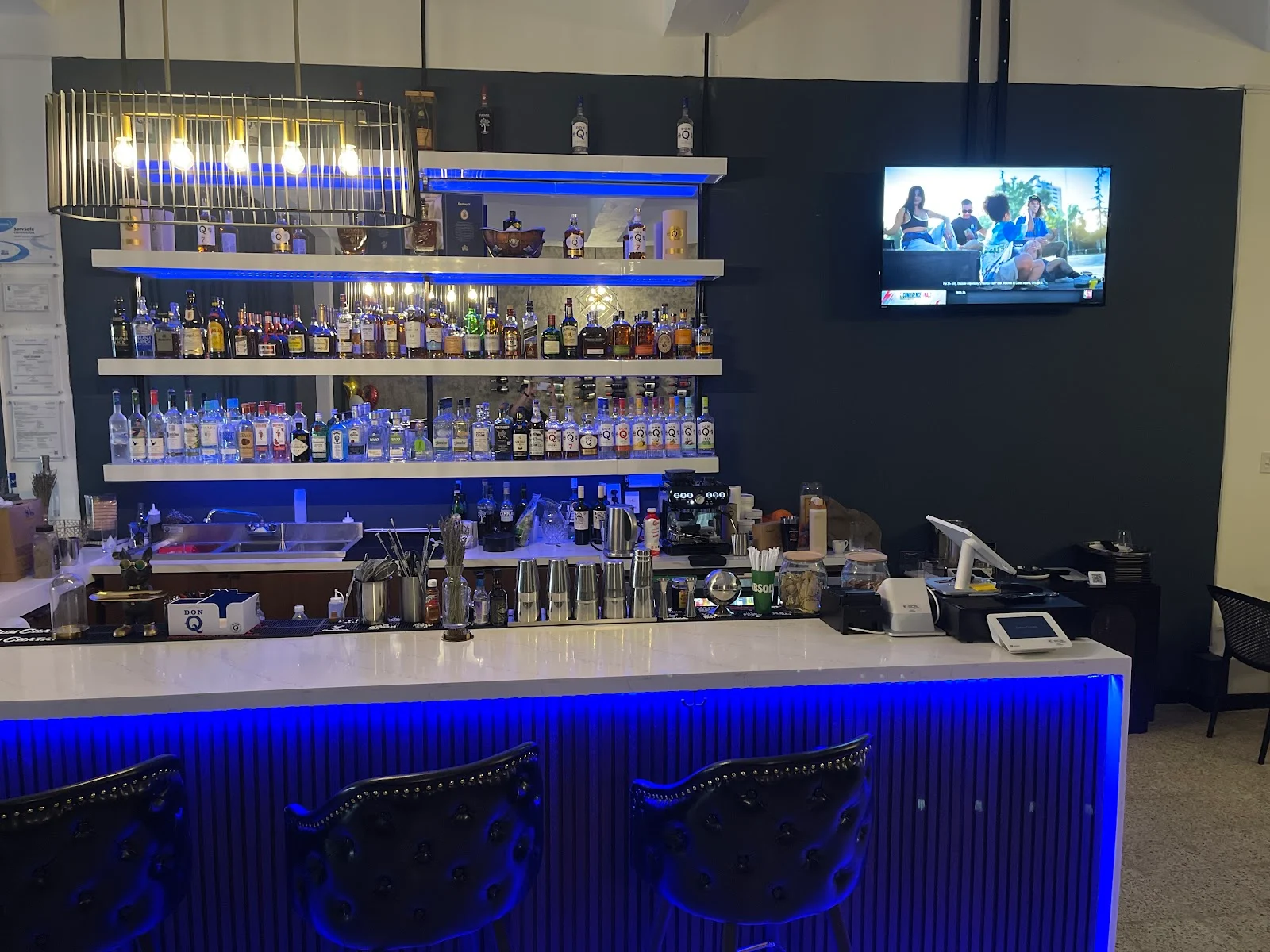
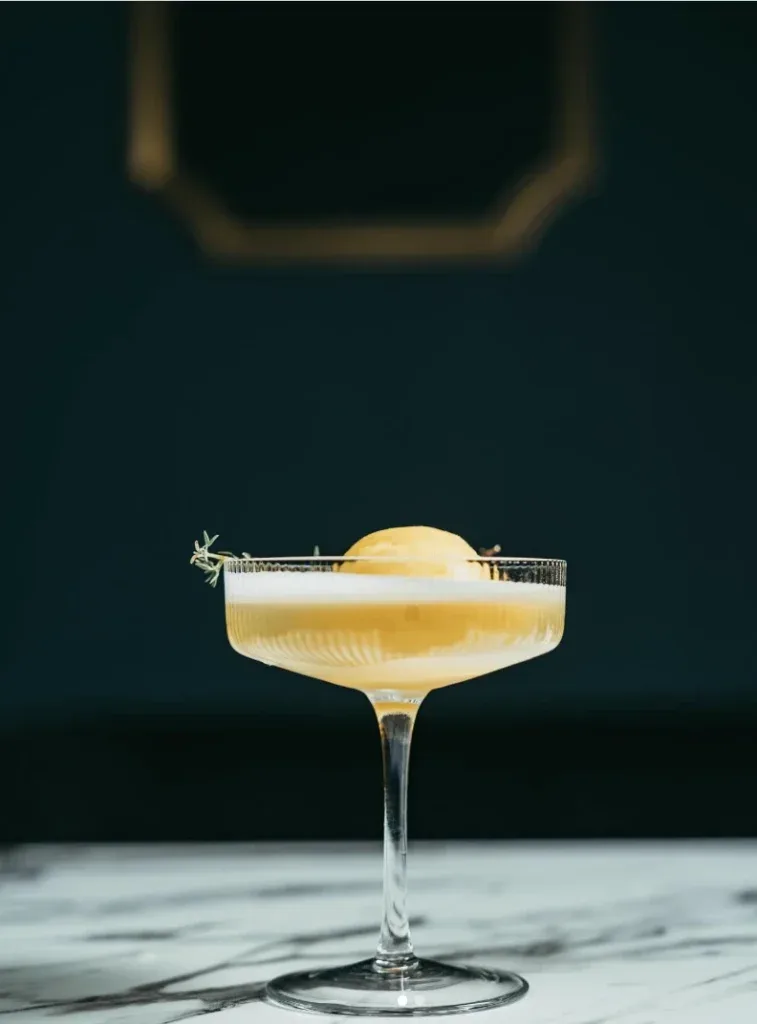
Entre Copas, in Mayagüez, has a cocktail on its menu worth the trip: the Del Patio combines mezcal with herbs and mango sorbet, achieving a balance between the smokiness of the mezcal and the tropical sweetness of the fruit that feels genuinely Puerto Rican.
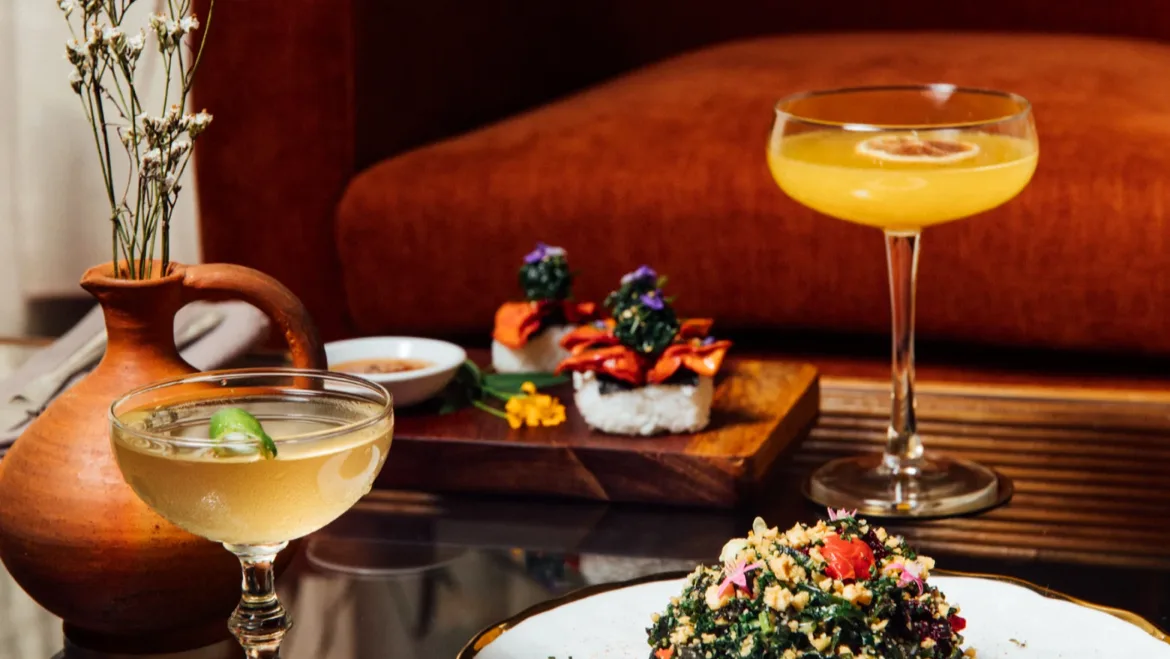
On Calle San Francisco at the corner of Calle del Cristo, Aliado operates as a cocktail kitchen with a plant-based Italian kitchen. Co-owner and mixologist Jessica Cabrera Cappas curated the bar so that no product is of animal origin.
Its featured cocktail is Media Luna, which contains mezcal, hibiscus flower juice, chile bitters, ginger syrup, lime and orange liqueur, garnished with house-made tajín. The result is a refreshing, smoky drink with a spicy edge. They also serve the Mezcal Tepeztate, which contains local coconut water and lavender syrup.
Reservations are made through Tock.
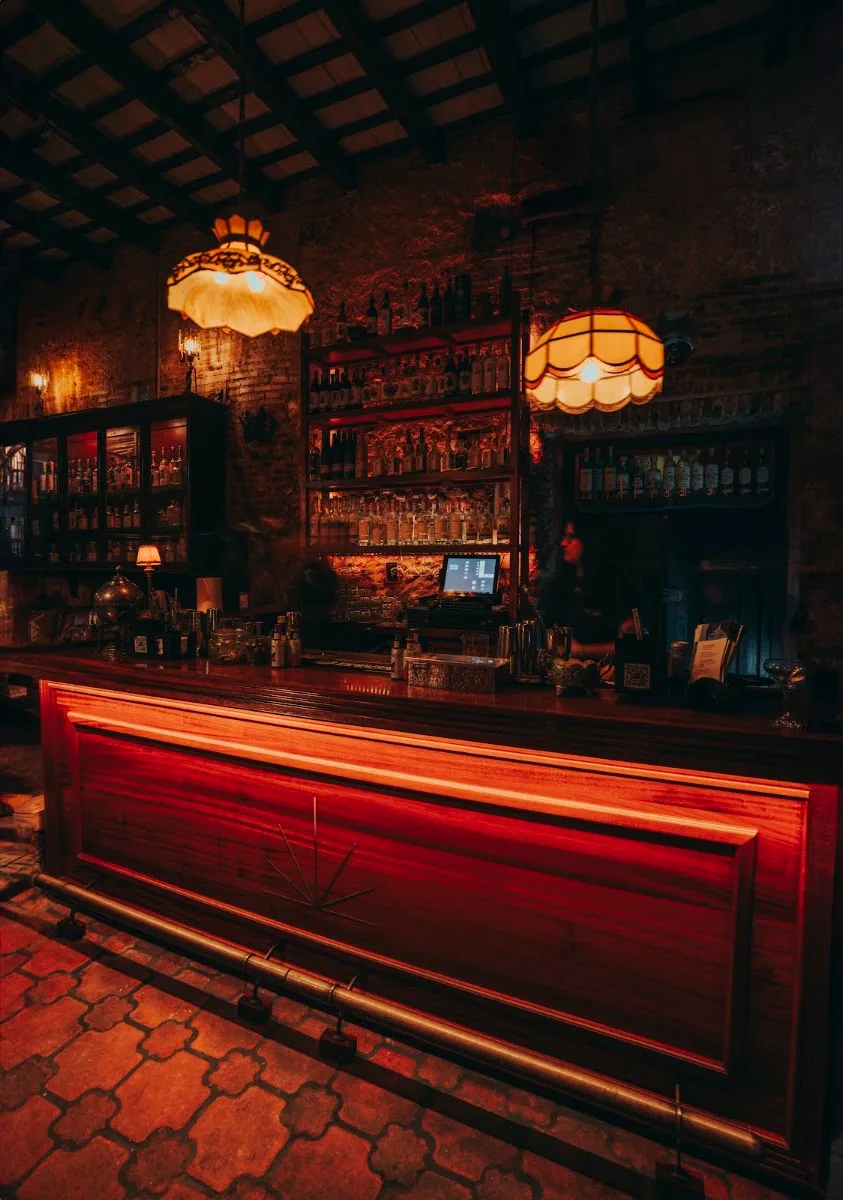
On Calle San Francisco, steps from Plaza Salvador Brau, La Grieta has a cocktail menu built around agave. Of the nine cocktails on the list, seven include mezcal directly, and the other two (Paloma and House Margarita) offer it as an option alongside tequila.
Among the signatures, the Chembleque combines tepache, coconut fat-washed mezcal, vanilla liqueur, Coco López and cinnamon. The Espresso Martínez replaces the vodka in the classic Espresso Martini with mezcal and adds cold brew that is 100% Puerto Rican, coffee liqueur, amaretto and chocolate bitters.
Others to note on the menu: Cenzontle (mezcal, fresh pineapple, Campari, lime, agave), Sancho Pancho (mezcal, sweet vermouth, Fernet) and Stalogüeso (lime, ginger agave, scotch and mezcal). On the classics side, the Mezcal al Pastor includes chile liquor, tepache, lime and agave.
Good to know. Both the classics and the signature cocktails are $12. The bar has outdoor tables and an intimate space next to the bar for conversation with the bartenders.
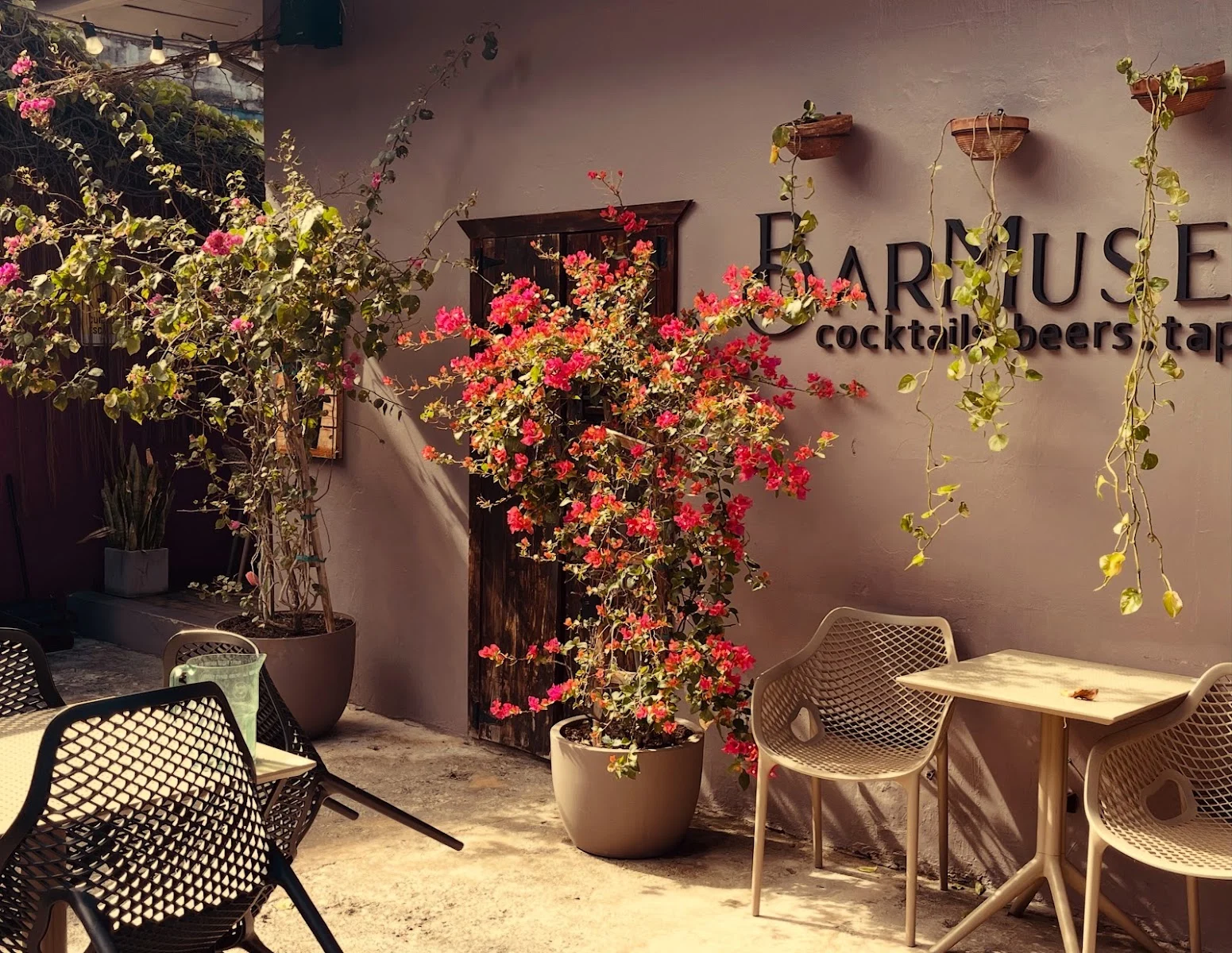
Among the signature cocktails at $13, the Wanabana blends mezcal, elderflower, lime, simple syrup and a soursop foam. The SuperStar combines thyme, mezcal, lemon, honey and ginger syrup. The Especiado lets you choose between mezcal or gin, adding pineapple cordial, mint, cardamom and spices. The Mexquiri is a more straightforward version with mezcal, lime, simple syrup and maraschino.
On the classics side at $12, there is the Santo, which brings together young mezcal, elderflower, fino sherry, citrus mix and mint.
Good to know. Bar Museo has a jazz concert series in its patio, which holds around 200 people. Past editions have featured musicians including William Cepeda, Charlie Sepúlveda, Edmar Colón and Iván Renta.
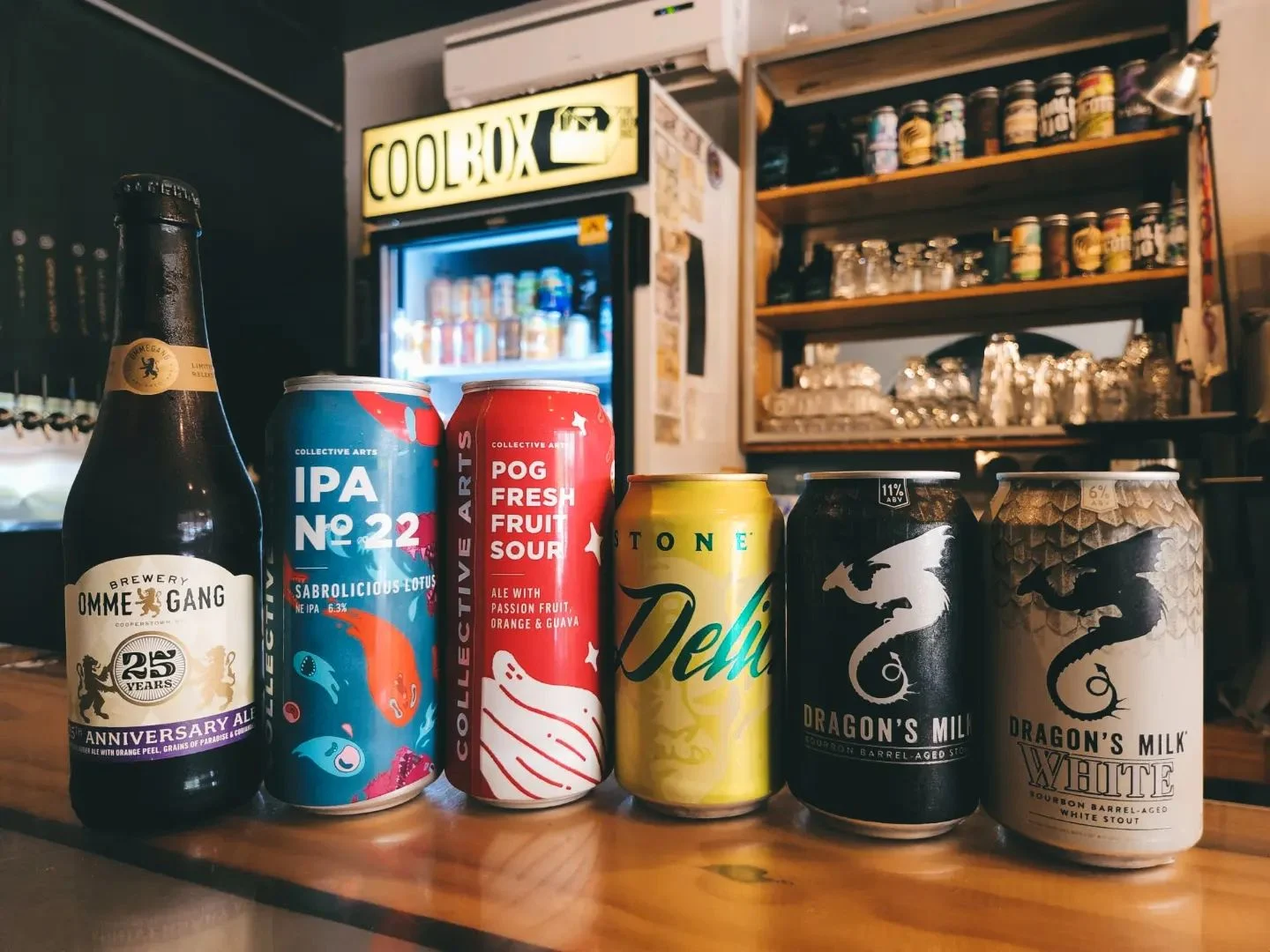
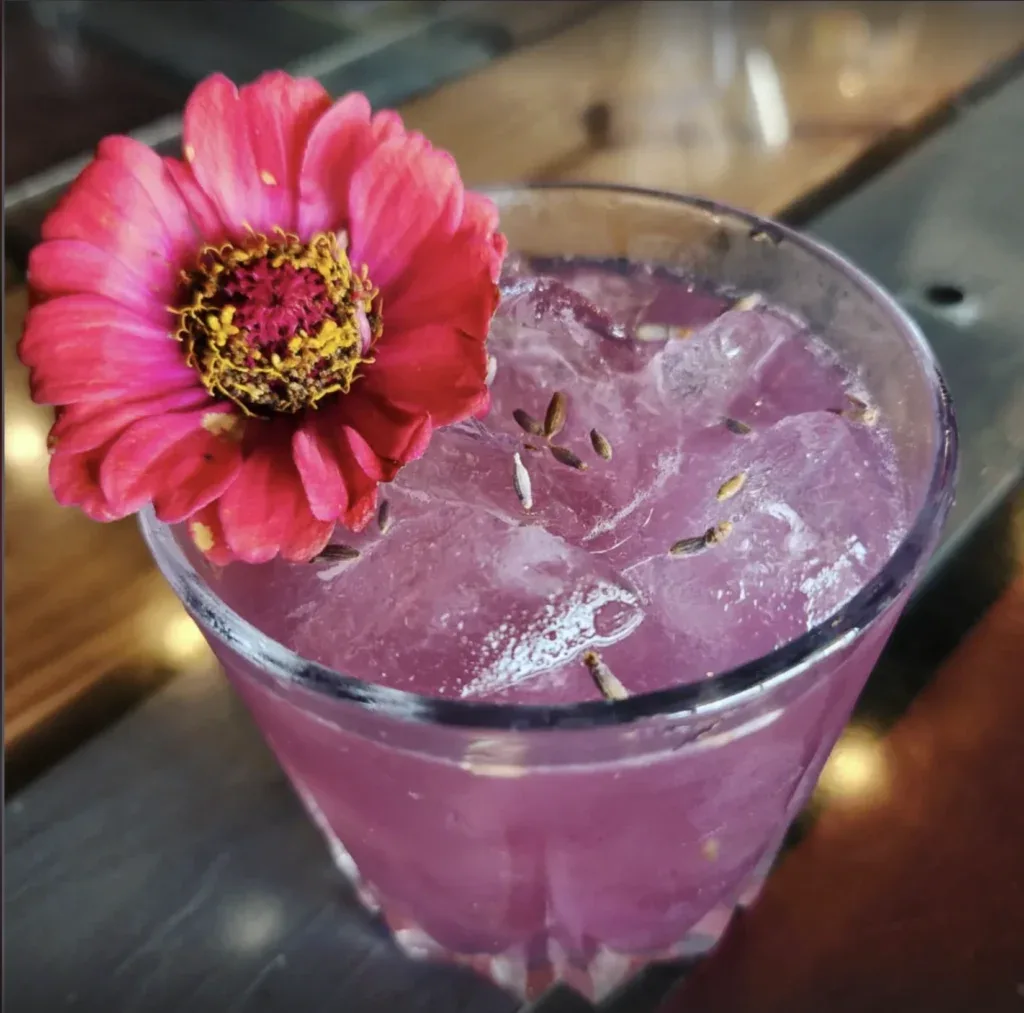
This spot surprises with a beer cocktail menu that uses its own craft beers as the main ingredient. The standout with mezcal is the Deep Purple, an unconventional combination of mezcal, gin, Boxlab Sour Beer with lavender syrup, lime, salt and dried lavender.
Good to know. The bar is defined by its beer. It has around 16 options on draft and a wide variety of local craft beers.
This content was translated with the assistance of Artificial Intelligence (AI).