What is the Puerto Rican aguinaldo? The genre behind our Christmas music
Discover the history of one of Puerto Rico’s oldest musical genres and how it’s still alive and kicking in modern music.
Discover the history of one of Puerto Rico’s oldest musical genres and how it’s still alive and kicking in modern music.
What do Llorarás by Oscar de León, Tu Recuerdo by Tommy Torres featuring Ricky Martin, and Pitorro de Coco by Bad Bunny all have in common? All of these songs take the Puerto Rican aguinaldo as their starting point — one of the oldest musical genres from our archipelago and the foundation of much of our traditional Christmas music, singer, songwriter, and music educator Aidita Encarnación told Platea.
Specifically, they use the rhythm or musical structure of the aguinaldo jíbaro, the oldest of them all, also known as aguinaldo viejo or cayeyano, composer, arranger, and percussionist Rubén Amador explained to Platea.
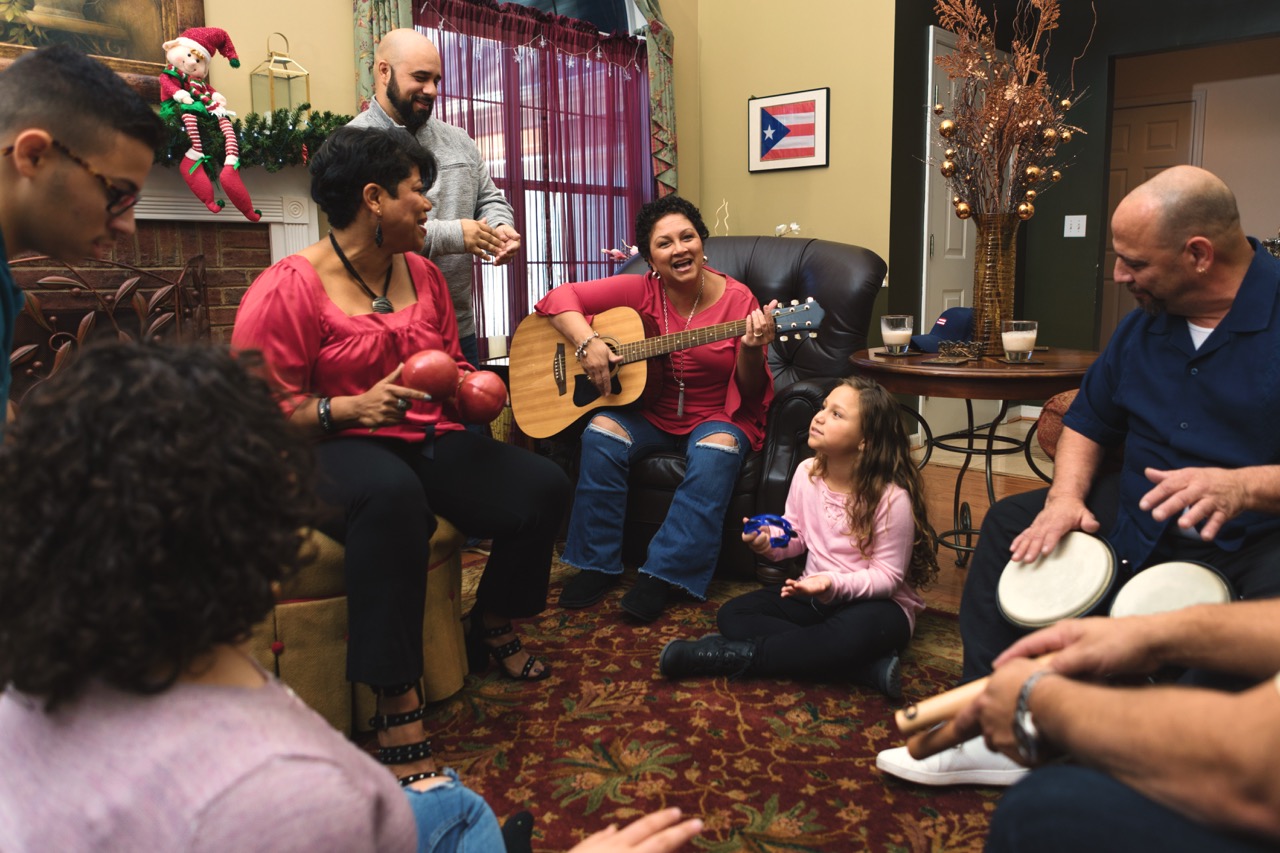
For Amador, the aguinaldo is “the anthem of Puerto Rican Christmas” — it’s “a gift” that we give or receive during this season. It’s common for many of us to associate this genre with the holidays because its origin is tied to villancicos (Christmas carols), even though its lyrics and performances go way beyond this time of year.
And even though aguinaldos were created more than two centuries ago, we still see their influence in Latin music, whether in salsa, merengue, or even reggaetón. They’re still alive, evolving, and being passed down from generation to generation, with new waves of trovadores learning how to play them.
“Contrary to what a lot of people think, this tradition ain’t going nowhere,” said Encarnación, who every year serves as a judge in competitions for kid trovadores and cuatristas.
“If you ask me what the anthem of Puerto Rican Christmas is, it’s the aguinaldo.”
— Rubén Amador, Director of the Conservatorio de Artes del Caribe
Types of aguinaldo in Puerto Rico
There are more than 30 types of aguinaldos created in different parts of Puerto Rico, with all kinds of names — varied and diverse.
According to Encarnación, the aguinaldo, just like the seis, gets its second name in different ways:
- By the place where it originated (this is how most aguinaldos are named): aguinaldo orocoveño, cayeyano, cagüeño, fajardeño, adjunteño, isabelino, del Dorado, Matrullas, Aguas Buenas, etc.
- By the way it’s played: aguinaldo quinto al aire (it’s the aguinaldo lamento, but played in B minor. Its name comes from the fact that the fifth string of the cuatro isn’t pressed down — it’s played “al aire,” or open).
- By the author or person who influenced them: aguinaldo de Encarnación, lorenzillo, etc.
- By how they’re danced or performed (in the case of seises): seis chorreao, del pañuelo, con palitos, etc.
Learn to identify the types of Puerto Rican aguinaldos
With cuatrista José Eduardo Santana, who is part of Bad Bunny’s Debí Tirar Más Fotos World Tour.
Origin of the Puerto Rican aguinaldo
Starting from the villancicos brought by the Spanish — which already had influences from the Arabic zéjel — the jíbaros began incorporating elements from different musical and literary traditions, such as the décima espinela and the Spanish folía, along with indigenous and African elements. From that mix, genres like the aguinaldo and the seis were born — the pillars of traditional Puerto Rican music.
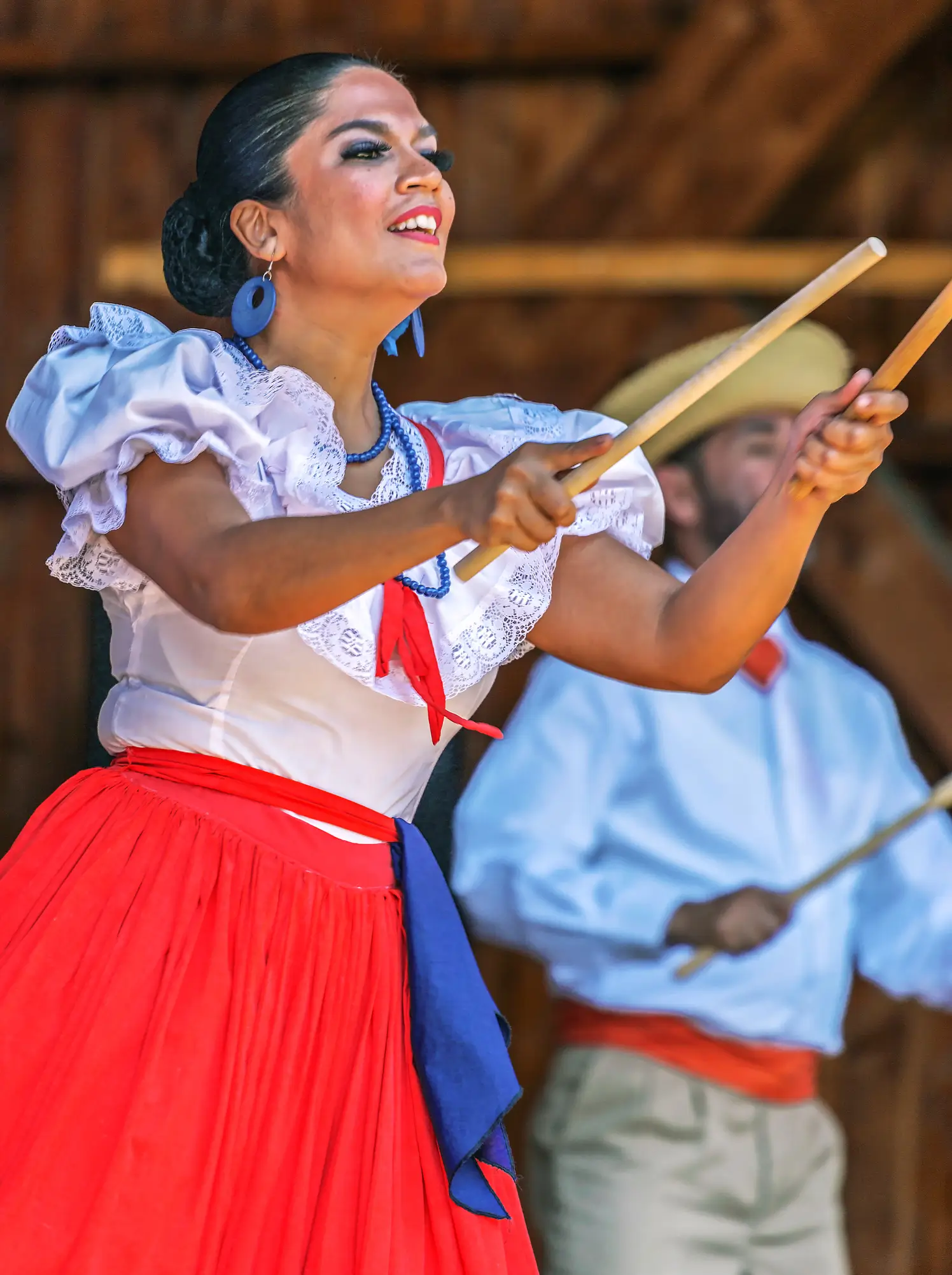
“The criollo kept singing those (villancicos) and was also creating their own expressions, their own villancicos, their own ways of singing and their own songs. Among them, one of the things they created was the aguinaldo genre,” Amador explained.
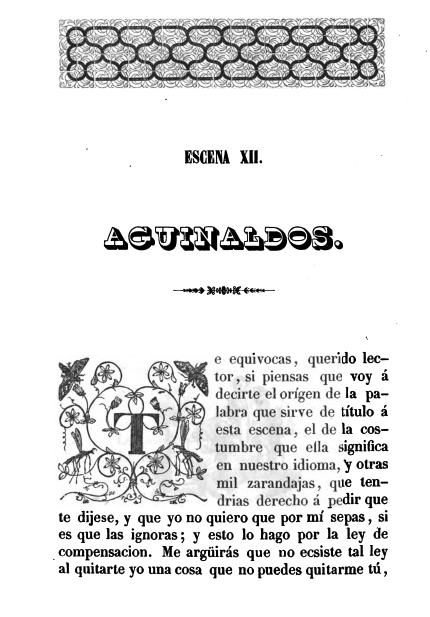
Where does the name “aguinaldo” come from?
The name “aguinaldo” was already being used in the 19th century for this rhythm, with mentions in El Gíbaro by Manuel Alonso (1849), which has a whole chapter dedicated to describing them in the trullas aguinalderas.
The word means “gift” and is even defined as “Christmas carol,” since countries like Venezuela also have aguinaldos as a musical genre. It’s believed that it came from the Latin phrase hoc in anno, meaning “this year,” and from the ancient Roman custom of exchanging gifts at the start of the year in honor of the gods. That’s also why the Christmas bonus is known as aguinaldo.
“It’s an act of giving and receiving a gift. You give an aguinaldo and you can even ask for one,” Amador noted.
It’s deeply rooted in our culture as the act of bringing a gift to a loved one, and it started with the Promesas de Reyes (promises to the Three Kings), during which one or many aguinaldos were offered in exchange for a favor from the Santos Reyes or other religious figures. “A magical-religious negotiation is created,” and what you give in exchange for the promise is an aguinaldo, Amador explained.
It’s no coincidence that the nine masses before Christmas Day are also known as misas de aguinaldo — a gift to the child about to be born.
“The aguinaldo jíbaro is the one that’s been used the most in popular music… It’s a progression that’s pretty flexible and super catchy. So I think people are gonna keep hearing it — not just the jíbaro, but many more aguinaldos.”
— José Eduardo Santana, Puerto Rican cuatrista
What were the traditional parrandas or trullas aguinalderas like?
“The classic parranda, the parranda out in el campo, has a protocol: the aguinaldo (is played) outside and the seis inside (the house),” Amador said about how parrandas used to go down back in the day.
You’d greet people with the aguinaldo, like the isabelino (Saludos, saludos, vengo a saludar), but the party really got going with the seises, which were the genre associated with dancing, like a chorreao (Ay, qué buena es la Navidad, cantemos todos a coro) or an enramada (Si no me dan de beber, lloro).
This has been changing in modern parrandas, but the aguinaldo is still very much there.
How did Pitorro de Coco come about?
“The song Pitorro de Coco comes from a song by Chuíto el de Bayamón, Yo quisiera ser alcalde, which is an aguinaldo jíbaro. The production took that blend and brought that fusion of the old-school aguinaldo with a modern sound,” cuatrista José Eduardo Santana told Platea. Santana plays the cuatro on that track and is part of Bad Bunny’s Debí Tirar Más Fotos World Tour.
Ways of singing aguinaldos
Amador explained that there are two main ways of singing aguinaldos in Puerto Rico:
- Decimillas: predominant throughout most of the archipelago, they shorten the traditional décima espinela from eight-syllable lines (used in seises) to six-syllable verses.
- Coplas or cuartetas: more common “out west,” with looser rhyme schemes and “easier to sing.” An example is the aguinaldo isabelino (Saludos, saludos, vengo a saludar).
According to Amador, for some trovadores it can actually be even harder to compose aguinaldos (decimillas) because you have 20 fewer syllables to develop a poetic idea.
The evolution of the aguinaldo in modern music
“Aguinaldos have evolved too,” Amador said. They’ve mixed with other genres, influenced them, and continue to be part of the musical fusions of many artists today.
Pitorro de Coco, by Bad Bunny, even took the form of a year-end farewell aguinaldo to his fans (it dropped on December 31, 2024) and a preview of his album, released like a promesa on the eve of Día de Reyes (January 5, 2025).
For Encarnación, there’s still a need to keep documenting all the existing forms of aguinaldos and other homegrown genres, since there aren’t many books out there that investigate their structures and the number of possible forms.
“I learned the aguinaldos and the seises not because someone sat me down and taught them to me — it’s because I’ve been playing them and I learned them from other masters. That’s how it’s been passed down (orally), and it needs to be written down,” said Encarnación, who is also the musical director of Gíbaro de Puerto Rico.
It’s not about “saving” our music, Encarnación insisted. “We gotta keep playing it.”
“The aguinaldo is the anthem of Puerto Rican Christmas. It’s a gift we give and receive.”